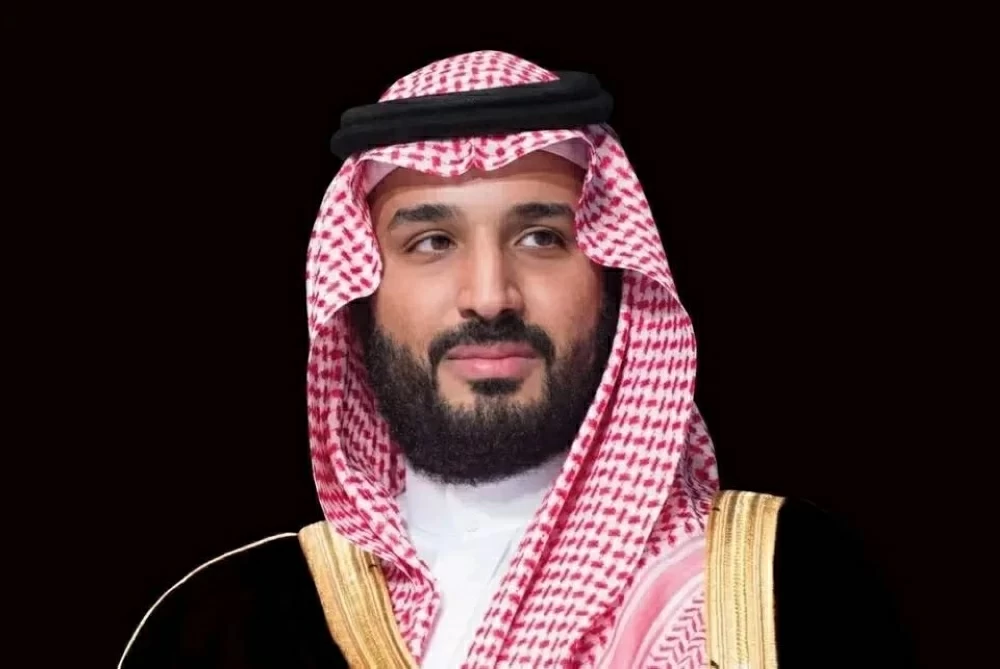
أكد ولي العهد رئيس مجلس الوزراء رئيس مجلس الشؤون الاقتصادية والتنمية الأمير محمد بن سلمان بن عبدالعزيز آل سعود أن (رؤية المملكة 2030) أحدثت -بتوفيق الله وفضله- ثم بتوجيهات خادم الحرمين الشريفين الملك سلمان بن عبدالعزيز آل سعود نقلة نوعية في مسيرة تنمية البلاد، بما حققته من تحول شامل وملموس في المناحي الاقتصادية، والخدمات، والبنية التحتية واللوجستية، وجوانب الحياة الاجتماعية، واستهلت في عام 2026 مرحلتها الثالثة والأخيرة التي تمتد لخمس سنوات قادمة حتى عام 2030، محافظة فيها على التركيز على أهدافها طويلة المدى مع تكييف أساليب التنفيذ وفق متطلبات المرحلة، بما يدفع باستدامة التقدم والازدهار ويجعل المملكة في طليعة الدول تقدمًا.
وشدد ولي العهد على أن استثمار الرؤية الأهم منذ إطلاقها كان ولا يزال وسيظل منصبًا على أبناء وبنات الوطن، من خلال تأهيلهم وتطوير أدائهم ورفع كفاءتهم وجعلهم في موقع تنافسي متقدم مع نظرائهم في دول العالم كافة.
ووجه ولي العهد الأجهزة الحكومية، كلٌّ في ما يخصه، بمواصلة الجهد، واستشراف الفرص واستثمارها لتقديم كل ما فيه مصلحة للوطن والمواطن والاقتصاد الوطني، مشيدًا بما أثمرت عنه جهود السنوات الماضية من تنمية وطنية شاملة ومستدامة وضعت المواطن السعودي في مركز اهتمامها، واستهدفت الريادة العالمية في مختلف مجالاتها.
الوصول لأعلى معدلات الجاهزية
وأشار ولي العهد إلى أن (رؤية المملكة 2030) تستهل مرحلتها الثالثة والأخيرة خلال عام (2026) وحتى عام (2030)، وتدخل ذروة التنفيذ للبرامج والإستراتيجيات الوطنية، في ظل وصول أدوات التحول إلى أعلى معدلات الجاهزية، وهي ماضية في تحقيق أهدافها، عبر ترسيخ مكتسبات التحول الوطني، والاقتصادي، والاجتماعي، ومضاعفة الجهود لتسريع وتيرة الإنجاز.
وشدد ولي العهد على أنه بالرغم من التقلبات العالمية، والاضطرابات الاقتصادية، والسياسية التي ألقت بظلالها على الصعيدين الإقليمي والدولي خلال العقد الماضي إلا أن (رؤية المملكة 2030) حافظت على مسيرة التقدم وتحقيق زخم من الإنجازات النوعية عبر ما انتهجته من تخطيط إستراتيجي وسياسات مالية محكمة قائمة على المرونة والاستباقية في استشراف تحديات وفرص المستقبل.
أسس متينة لنمو القطاعات الاقتصادية
جاء ذلك إثر استعراض مجلس الشؤون الاقتصادية والتنمية لتحديثات (رؤية المملكة 2030)، التي وضعت بعد مرور مرحلتيها الأولى والثانية أسسًا متينة للنمو في القطاعات الاقتصادية المتنوعة، وحققت زخمًا من الإنجازات ورصيدًا من المكتسبات، ولتعظيم هذا النجاح، تأتي مرحلتها الثالثة التي تمتد من عام (2026) وحتى عام (2030) دافعة نحو مضاعفة العمل، وسيستمر فيها تسارع وتيرة الإنجاز واقتناص فرص النمو، ومواصلة الإنفاق الحكومي الرأسمالي، وتعزيز دور صندوق الاستثمارات العامة وصندوق التنمية الوطني في تحفيز الاستثمارات المحلية، إلى جانب توسيع دور القطاع الخاص في دعم النمو والتنويع الاقتصادي، وزيادة المحتوى المحلي، كما سيستمر العمل على متابعة المبادرات الجارية وتوجيهها، وتنفيذ البرامج والخطط المتعلقة بتطوير البنية التحتية، ورفع جودة الخدمات الأساسية المقدمة للمواطنين والمقيمين والزائرين، والاستثمار في قدرات أبناء وبنات المملكة لتحقيق التنمية الشاملة، والريادة في مختلف المجالات.
استمرار رحلة السعودية في الريادة
ولفت المجلس إلى أن المرحلة الثالثة ستشهد تتابع إطلاق الإستراتيجيات الوطنية القطاعية منها والمناطقية بوصفها أدوات تنفيذية طويلة المدى تُكمل ما بدأته برامج تحقيق الرؤية، مع تركيز وتغطية أشمل، تخدم أهداف المرحلة، وتسهم في تحقيق أهداف الرؤية وتضمن استدامة الأثر لما بعد عام (2030).
وأكد أن الوصول بنهاية المرحلة الثالثة من (رؤية المملكة 2030) إلى عام (2030) لا يمثل وجهة نهائية تقف عندها جهود التنمية في المملكة العربية السعودية، بل تشكل بنيانًا للجهود التنموية اللاحقة التي ستشهدها المملكة في عقودها القادمة، لتستمر رحلة المملكة في الريادة ما دامت هذه البلاد، وما دامت قيادتها الرشيدة، وشعبها الطموح.
ونوه المجلس بتبني (رؤية المملكة 2030) مبدأ الاستدامة باعتبارها قيمة أصيلة في منهجها، ففي كل مرحلة من مراحلها بنت إنجازاتها على ما رسخته في المرحلة التي تسبقها، بما يضمن تحقيق الأثر المستدام.
تحقيق مستهدفات رؤية 2030
وأشار المجلس إلى أن 93% من مؤشرات أداء الرؤية حققت مستهدفاتها السنوية أو شارفت على تحقيقها، وتجاوزت العديد من المؤشرات مستهدفاتها المرحلية أو مستهدفات 2030، فيما شكلت مبادرات الرؤية المكتملة أو التي تسير وفق مسارها الصحيح 90% من إجمالي المبادرات البالغ عددها 1290 مبادرة، وذلك بعد مرور المرحلتين الأولى والثانية من (رؤية المملكة 2030) التي شهدت موجة واسعة من الإصلاحات الهيكلية والاقتصادية والمالية والتشريعية التي تجاوزت 1000 إصلاح و1200 إجراء، شملت إصدارات وتحديثات لتنظيمات ولوائح وتأسيس الكيانات المنظمة، لوضع أسس التحول وتهيئة البيئة الممكنة له؛ فأسهمت بدورها في فتح القطاعات الاقتصادية وخلق فرص نمو جديدة، وتمكين المواطن والقطاع الخاص وجذب الاستثمارات المحلية والأجنبية، وتحسين جودة الحياة في المملكة، وترسيخ ريادتها العالمية التي عززتها تنافسية المملكة الاقتصادية، وتقدمها المتواصل طوال العقد الماضي في المؤشرات العالمية على مختلف الصُعد، وما أسسته من علاقات إستراتيجية فاعلة على المستوى الإقليمي والدولي، وما قدمته من أدوار رائدة في بحث وتشكيل الحلول للقضايا العالمية الملحة، بما يدفع بالاستقرار والازدهار للمملكة، والمنطقة والعالم أجمع.
ولفت المجلس إلى أن (رؤية المملكة 2030) حافظت على مسيرة التقدم، وتحقيق زخم من الإنجازات النوعية عبر ما انتهجته من تخطيط إستراتيجيّ، وسياسات مالية محكمة، قائمة على المرونة، والاستباقيّة في استشراف تحديات وفرص المستقبل، رغم التقلبات العالمية، والاضطرابات الاقتصادية والسياسية التي ألقت بظلالها على الصعيدين الإقليمي والدولي خلال العقد الماضي.
المرحلة الأولى من 2016 - 2021
واطلع المجلس على مراحل (رؤية المملكة 2030)، مشيرًا إلى أنها ركزت خلال مرحلتها الأولى، التي بدأت من عام 2016 حتى عام 2021، على البناء والتأسيس، عبر إعادة تشكيل مؤسسات الدولة، وإنشاء هياكل جديدة متوسطة المدى تمثّلت في برامج تحقيق الرؤية، لتضمن الاتّساق في عمل الجهات التنفيذية من الوزارات والهيئات والمراكز الحكومية، وتمكينها من الانطلاق في رحلة متسارعة من التحول، كما تطلبت المرحلة إرساء تدابير حازمة لمكافحة الفساد وترسيخ قيم الشفافية والمساءلة ومراقبة الأداء الحكومي وفاعليته، وإجراء بعض التدخلات الهيكلية لمواءمة الإنفاق الحكومي مع أولويات التنمية، ووضع خارطة طريق مالية على المستوى المتوسط للإيرادات والنفقات، والدين العام، والاحتياطيات؛ ما أدى لاستكمال دورة التخطيط والتمويل والقياس في أسلوب العمل الحكومي، ليرتفع على إثر ذلك مستوى المأسسة والحوكمة بين الجهات الحكومية، وتعززت جاهزيتها، ومرونتها في تسريع التنفيذ والتعامل مع المتغيرات.
ومن ناحية أخرى، عملت الرؤية على تمكين القطاع الخاص عبر معالجة المعوقات الإجرائية والتنظيمية لتعظيم مساهمته في الاقتصاد الوطني، وإعادة هيكلة صندوق الاستثمارات العامة، ومراجعة إستراتيجياته الاستثمارية ليكون محركًا بارزًا لتنويع الاقتصاد، والنهوض بالقطاعات التي لم تكن مستغلة، وتنمية الثروات الوطنية، من خلال استثمار أصوله، وبناء شراكات محلية ودولية، وإنشاء شركات جديدة، وإطلاق المشاريع الكبرى المحفزة للنموّ، كمشاريع البحر الأحمر، ومدينة نيوم، وبوابة الدرعية، ومشروع القدية، بصفتها مشاريع طويلة الأجل، يستغرق تنفيذها مراحل زمنية تمتد لما بعد عام 2030، مجسدة طموحات المملكة وحجم التحول الذي تسعى لتحقيقه.
المرحلة الثانية من 2021 - 2025
وذكر المجلس أنه خلال الأعوام ما بين 2021 وحتى نهاية العام 2025، كانت الرؤية تمر بمرحلتها الثانية، التي تركزت فيها الجهود على دفع عجلة الإنجاز، عبر إجراء المزيد من الإصلاحات، وتوسيع زخم التحول بالاعتماد على ما أنجزته في مرحلتها السابقة، فشهدت في هذه السنوات ارتفاعًا في جودة الخدمات الحكومية المقدمة، وتسارعًا في التنفيذ الفعال للخطط والمبادرات الوطنية، واتساعًا في دور القطاع الخاص، وتمكينًا للمواطنين وتنامي القدرات والمواهب البشرية المتخصصة، جنبًا إلى جنب مع تزايد المشاريع الحكومية ومشاريع صندوق الاستثمارات العامة، لاستثمار فرص النمو التي أخذت تتوالد في القطاعات المختلفة، وتزامن مع هذه المرحلة استحداث الإستراتيجيات التنموية الوطنية لتدفع بالنمو المستدام، والتوسع في الإنفاق الرأسمالي الحكومي على عدد من القطاعات؛ بهدف تحقيق العوائد الاقتصادية والاجتماعية القصوى منها.
إنجازات نوعية ومكتسبات مستدامة
وتناول المجلس خلال الجلسة ما حققته (رؤية المملكة 2030) من إنجازات نوعية ومكتسبات مستدامة خلال مرحلتيها الأولى والثانية، على صعيد محاورها الثلاثة: مجتمع حيوي واقتصاد مزدهر ووطن طموح، مستعرضًا الجهود المبذولة لتحقيق أهداف الرؤية على مستوى محورها «مجتمع حيوي»؛ من تحسين جودة الحياة وتشجيع تبني الأنماط الصحية للعيش في المملكة، عبر العديد من المبادرات والمشاريع في مختلف المناطق الإدارية، من أبرزها أنسنة المدن، وتهيئة الأحياء والمنتزهات، وزيادة أعداد المنشآت والمساحات الرياضية، وافتتاح جزء كبير من مشروع المسار الرياضي الذي أصبح أحد أهم معالم العاصمة، والتي قادت إلى ارتفاع نسبة الأشخاص البالغين الممارسين للرياضة في المملكة إلى 59.1% متجاوزةً مستهدفها السنوي ومستهدفاتها المستقبلية حتى عام 2027، مثمنًا الجهود التي رسخت مبادئ الوقاية وإطالة العمر الصحي، وأسهمت في اتساع نطاق الخدمات الصحية ليغطي 97.5% من التجمعات السكانية في مختلف مناطق المملكة؛ ما أدى لوصول متوسط العمر المتوقع للإنسان في المملكة إلى 79.7 عام، مقتربًا من مستهدفه للعام 2030 عند الـ(80) عامًا.
وأشاد المجلس بالنقلة في تنوع حلول الدعم السكني المختلفة التي عملت عليها (رؤية المملكة 2030) من تقديم التمويل العقاري، وزيادة المعروض العقاري وتنويعه، وتسهيل وصول المواطنين من خلال منصات إلكترونية، وتنظيم السوق والعلاقة ما بين أطرافه، عبر الأنظمة واللوائح المستحدثة؛ ما انعكس على ارتفاع نسبة تملك السعوديين للمساكن إلى 66.24%، بعد أن ظل لسنوات طويلة عند مستويات لا تتجاوز 47%.
الكفاءات الوطنية.. الاستثمار الأهم
وأكد المجلس أن استثمار الرؤية الأهم منذ إطلاقها ركز على الكفاءات الوطنية، وذلك عبر تمكينها، سواء عبر فرص التعليم والتدريب المهني والتقني، ومضاعفة فرص العمل المطروحة، أو تطوير المسارات التعليمية والمناهج الدراسية، وإتاحة تخصصات ومسارات جديدة في برامج الابتعاث، ما دفع الشباب والفتيات في المملكة إلى اتباع شغفهم والسعي لتحقيق أحلامهم، وما أسفرت عنه هذه الجهود من مضاعفة أعداد الطلاب والطالبات السعوديين في أهم 200 جامعة ومعهد عالمي إلى أكثر من 28,493 طالباً وطالبة، ودخول 22 جامعة سعودية ضمن تصنيف QS العالمي للعام 2025، إضافة إلى دخول 3 جامعات سعودية لقائمة أفضل 200 جامعة في العالم، وفق تصنيف الجامعات العالمية.
وأشار إلى الدور الذي لعبه التكامل المؤسسي، والحوكمة الفعالة في رفع كفاءة خدمات ضيوف الرحمن، وزيادة الطاقة الاستيعابية لهم سواء في قطاع الضيافة أو النقل أو تهيئة البنية التحتية، التي وصلت أعداد المعتمرين من خارج المملكة على إثرها إلى أعلى مستوى بنهاية عام 2025، متجاوزًا 18 مليون معتمر حظوا بأداء مناسك العمرة بكل يسر وسهولة.
عمق حضاري إقليمي وعالمي
ونوه المجلس بما تتمتع به المملكة من ثراء ثقافيّ وعمق حضاريّ يميزها إقليميًا وعالميًا؛ دفعها لاستغلال مقوماتها الثقافية ومقدراتها البشرية، فأسست ما يزيد على 13 جهة حكومية معنية بالشأن الثقافي منذ إطلاق الرؤية، وأضافت أكثر من 80 مهنة ثقافية إلى التصنيف السعودي الموحد للمهن، ممكنة صناعة ثقافية راسخة ومستدامة قادت جهودها إلى تحقيق مستهدف (رؤية المملكة 2030)، بإدراج 8 مواقع متفرقة إلى قائمة اليونسكو العالمية للتراث الثقافي؛ ما يُعزز الحضور الثقافي السعودي على المستوى العالمي.
وتطرق المجلس إلى التقدم المحرز على مستوى محور «اقتصاد مزدهر»؛ وانعكاسه على حالة الاقتصاد السعوديّ اليوم وما يتمتع به من متانة ومرونة وتنافسية، مكنته من الصمود في ظل التقلبات الاقتصادية العالمية والحفاظ على مستويات مستقرة من التضخم، حيث واصل الناتج المحلي الإجمالي الحقيقي تقدمه ليتخطى حاجز الـ4 تريليونات ريال وصولًا إلى 4.9 تريليون ريال بنهاية عام (2025)، مدفوعًا بالنمو المتواتر للأنشطة غير النفطية، ومساهمتها بنسبة 55% في الناتج المحلي الإجمالي، مشكلًة أكثر من نصف الاقتصاد الوطني، فيما قفزت المملكة بأكثر من 20 مرتبة في مؤشر التنافسية العالمي (IMD) لتصل إلى المرتبة 17 عالميًا، فضلًا عن تمركز الاقتصاد الوطني في المرتبة الثالثة ضمن مجموعة دول العشرين من حيث توقعات النمو لعاميّ 2026 و2027 الصادرة عن صندوق النقد الدولي، على رغم ما تمر به المنطقة والعالم من اضطرابات وتحديات أثرت على توقعات نمو معظم اقتصادات العالم.
نهج فريد لتنمية القطاعات الاقتصادية
ونوّه المجلس بالنهج الفريد لرؤية المملكة 2030 في تنمية القطاعات الاقتصادية، دمجت فيه بين تعظيم الاستفادة من القطاعات التقليدية، والنهوض بقطاعات واعدة ومستحدثة لتصبح روافد جديدة للاقتصاد الوطني، فاستغلت مواردها الطبيعية لتعظيم الأثر من قطاع الطاقة، ورسخت عبر السنوات الماضية منظومة طاقة متكاملة ومتنوعة ساهمت في ارتفاع الطاقة الإنتاجية لتوليد الكهرباء من الطاقة المتجددة من «صفر» في عام 2016 إلى 64 جيجا واط بنهاية عام 2025، واستثمرت القدرات الكامنة لديها في قطاع التعدين، لترتفع قيمة الثروة المعدنية المقدرة بنسبة 90%، مسجلة ما قيمته 9.4 تريليون ريال بعد أن كانت لا تتجاوز 4.9 تريليون ريال.
كما نهضت بقطاع السياحة والترفيه والثقافة والرياضة، معتمدة على ما تتميز به المملكة من تنوع طبيعي وجغرافي غير مكتشف للعالم، من الآثار والسواحل والجزر البكر، والجبال والصحاري، والتنوع المناخي، إلى جانب ما تتمتع فيه من غنى في الثقافة والموروث وهبها خارطة سياحية متعددة الأغراض قلما يوجد مثيلها حول العالم، لتصل مساهمة السياحة اليوم إلى نحو 5% في الناتج المحلي الإجمالي.
في الوقت ذاته، ركزت رؤية المملكة 2030 على الاستثمار في القطاعات الرئيسية والتأسيسية، كالصناعة والنقل والخدمات اللوجستية، باعتبارها مرتكزات لدفع النمو المستدام، إذ برهنت على كفاءة استثنائية أمام التحديات، مؤكدة قوة النهج الاستباقي لرؤية المملكة في النهضة بالقطاعين الصناعي واللوجستي، ليرتفع عدد المصانع في المملكة إلى أكثر من 12.9 ألف مصنع يصل حجم استثماراتها إلى نحو 1.2 تريليون ريال، ونمت الصادرات غير النفطية السلعية من 242 مليارًا إلى ما يزيد على 623 مليار ريال، فيما لعب تطوير البنية التحتية للنقل من موانئ، ومطارات، وسِكك حديدية دورًا محوريًا في جعل المملكة بوابة لوجستية حيوية، إذ ارتفع عدد المراكز اللوجستية المفعلة إلى 24 مركزًا.
وخلال رحلة التنفيذ، استثمرت الرؤية، بما تبنته من عقلية بحث الفرص، في قطاعات مستحدثة تشكل اقتصادات المستقبل، كقطاع الذكاء الاصطناعي، مستندة إلى بنيتها الرقمية وموقعها الإستراتيجي بمساحاتها الشاسعة وقدراتها البشرية، لتحقق المركز الأول عالميًا في معيار الإستراتيجية الحكومية للذكاء الاصطناعي في المؤشر العالمي للذكاء الاصطناعي، إلى جانب تتويج تقدمها في قطاع الرياضات والألعاب الإلكترونية بإقامة أول بطولة لكأس العالم للرياضات الإلكترونية.
دعم وتطوير 10 قطاعات واعدة
وأشاد المجلس بالدور الذي لعبه صندوق الاستثمارات العامة خلال السنوات العشر الماضية لدعم تطوير 10 قطاعات واعدة عبر شركاته واستثماراته، لترتفع أصوله تحت الإدارة من 720 مليار ريال في العام 2015، لتتجاوز 3.4 تريليون ريال، مع وصول إجمالي إنفاقه خلال السنوات الخمس الماضية إلى 750 مليارًا على الاستثمارات المحلية مشكلة 60% من إجمالي استثماراته.
كما شهدت المشاريع النوعية التي يساهم فيها الصندوق تقدمًا بارزًا خلال السنوات الماضية؛ من افتتاح أولى منتزهات مشروع القدية بنهاية العام 2025، وافتتاح وجهة البحر الأحمر بـ5 منتجعات بحرية على واحد من أكبر الحيود المرجانية في العالم، وذلك في المراحل الأولية من افتتاح الوجهتين بكامل طاقتهما التشغيلية والاستيعابية، واستعرض الجهود القائمة على تدشين مسار الربط اللوجستي مع الموانئ الأوروبية والآسيوية في ميناء نيوم، والذي ساهم بتقليص زمن وصول الشحنات إلى سواحل المملكة بنسبة 50%، مشيدًا بكافة أعمال التنفيذ لاكتمال مراحل هذه المشاريع تدريجيًا وحسب خططها التنفيذية، مؤكدًا على أهدافها الإستراتيجية في استثمار المقومات التي حبا الله بها المملكة، مع الحفاظ على استدامة بيئتها الطبيعية وتنميتها.
ارتفاع مستهدف عدد السياح لـ150 مليونًا
وأشاد المجلس بالمكانة المتفردة التي تبوأتها العلا على المشهد السياحي الإقليمي والعالمي، إذ صنفتها المنظمة الدولية للوجهات السياحية كأول وجهة معتمدة في الشرق الأوسط، إلى جانب حصولها 3 مرات على التوالي على جائزة أفضل مشروع للسياحة الثقافية في الشرق الأوسط من عام 2023 حتى 2025 ضمن حفل جوائز السفر العالمية للشرق الأوسط.
وأثنى المجلس على مستويات التقدم في أعمال تطوير وتهيئة منطقة الدرعية التاريخية، التي تضم أحد مواقع التراث العالمي السعودية المدرجة على قائمة اليونسكو «حي الطريف التاريخي»، وما أسفرت عنه من تجاوز الزيارات السياحية لأكثر من 3.6 مليون زيارة بنهاية عام 2025، مشيدًا بالأثر المباشر لمشاريع رؤية المملكة على الأرقام التي حققها القطاع السياحي وتجاوزه مستهدف 2030 في الوصول إلى 100 مليون سائح، ومواصلته النمو ليصل إلى 123 مليونًا بنهاية عام 2025، أدى لتحقيق أكثر من 300 مليار ريال إجمالي إنفاق على السياحة في المملكة، ليرتفع مستهدف الرؤية لعدد السياح إلى 150 مليونًا بحلول 2030.
حراك اقتصادي وبيئة أعمال جاذبة
وأكد المجلس أن جهود الرؤية خلال المرحلتين السابقتين، وما شكلته من حراك اقتصادي متسارع وبيئة جاذبة للأعمال، عملت على تحفيز القطاع الخاص وتمكينه، فتضاعف عدد المنشآت المتوسطة والصغيرة 3 أضعاف منذ عام 2016 لتصل لأكثر من مليون و700 ألف منشأة، ووصلت مساهمة القطاع الخاص إلى 51% في الناتج المحلي الإجمالي الحقيقي، وتنامت تدفقات الاستثمار الأجنبي المباشر الداخلة إلى الاقتصاد السعودي بـ5 أضعاف لتصل إلى 133 مليار ريال في العام 2025 مقارنة بـ28 مليارًا في العام 2017، وتجاوز عدد الشركات التي افتتحت مقراتها الإقليمية في المملكة 700 شركة عالمية، وانعكس كل ذلك على انخفاض معدلات البطالة بين السعوديين إلى مستويات دنيا بواقع 7.2% بنهاية عام 2025 مقارنة بـ12.3% في عام 2016، فيما ارتفعت نسبة مشاركة المرأة في سوق العمل لتصل إلى 35% بعد أن كانت لا تتجاوز 22.8% عام 2016، وذلك نتيجة التوليد المستمر للفرص والوظائف، والجاهزية العالية للشباب والفتيات للانضمام إلى سوق العمل.
قفزات استثنائية بالمؤشرات الدولية
واطلع المجلس على المنجزات المتحققة في محور «وطن طموح» لاسيما ما يتعلق بتحقيق المملكة قفزات استثنائية في العديد من المؤشرات الدولية، مشيدًا بالبنية التحتية الرقمية المتطورة التي دفعت بتقدم المملكة في مؤشر الأمم المتحدة لتطوير الحكومة الإلكترونية 25 مرتبة، وتحقيقها المرتبة السادسة عالميًا، إلى جانب تقدمها المتواصل في مؤشر الأمن السيبراني العالمي لتنتقل من المرتبة 46 إلى المرتبة الأولى عالميًا.
إلى جانب الجهود التي رسخت مكانة المملكة كوجهة عالمية للأحداث والفعاليات، ومنصات المنافسات الرياضية والجوائز الفنية والثقافية، والمؤتمرات والمبادرات الاقتصادية والصناعية والبيئية وغيرها، فخلال عشر سنوات كانت محطًا لاهتمام كافة الفئات من مختلف الاهتمامات، مستضيفة مهرجانات ومناسبات كبرى، من كل مجال، فاستضافت رالي دكار لـ7 سنوات، وهي تستعد لاستضافة كأس آسيا للعام 2027، واكسبو 2030 لتتوج هذه المسيرة بالفوز باستضافة كأس العالم لكرة القدم للعام 2034.
وثمن المجلس جهود تنظيم وتمكين القطاع غير الربحي، وتحسين آليات عمله وفرص تمويله ليشارك القطاعين العام والخاص رحلة التنمية لترتفع مساهمته في الناتج المحلي الإجمالي من 0.2% إلى 1.4%، ما أدى إلى تضاعف أعداد المتطوعين في المملكة ليتجاوز مستهدفه للعام 2030، ويتخطى حاجز المليون و700 ألف متطوع.
استدامة النمو وتكامل الجهود
واختتم المجلس جلسته مستعرضًا الدور المتميز الذي أدّته برامج تحقيق الرؤية، التي انطلقت غالبيتها في مرحلتها الأولى بوصفها كيانات متوسطة المدى شكّلت محركات أساسية لمسيرة التحول وتسريع وتيرة الإنجاز، مشيدًا بما أرسته تلك البرامج من بنية ممكنة تدعم استمرارية التنفيذ، وبما رسّخته من إرث مؤسسي ومعرفي يُبنى عليه في المراحل القادمة، بما يعزّز استدامة النمو وتكامل الجهود نحو تحقيق مستهدفات الرؤية.
وأشار إلى أن العام الماضي شهد اكتمال برنامجي الاستدامة المالية والتخصيص بعد أن حققا الأهداف التي أُنشئا من أجلها، وأنجزا خططهما التنفيذية، ليُستكمل ما بدآه من عمل من قِبل الجهات الحكومية ذات العلاقة من وزارات وهيئات ومراكز وبرامج أخرى، تبني جميعها على ما تحقق من نجاحات لتعزيز استدامة النمو.
وبين أن البرامج الأخرى ستختتم أعمالها تباعًا خلال الأعوام القادمة بعد استيفاء أهدافها، في حين سيُعاد توجيه بعضها لتحقيق أهداف إستراتيجية محددة تمتد حتى عام 2030.
Crown Prince and Prime Minister Mohammed bin Salman bin Abdulaziz Al Saud confirmed that the (Saudi Vision 2030) has brought about a qualitative leap in the country’s development journey, with the help and grace of God, and under the guidance of the Custodian of the Two Holy Mosques, King Salman bin Abdulaziz Al Saud. This vision has achieved a comprehensive and tangible transformation in economic aspects, services, infrastructure, logistics, and social life. It commenced its third and final phase in 2026, which will extend for the next five years until 2030, while maintaining a focus on its long-term goals and adapting implementation methods according to the requirements of the phase, thereby promoting sustainable progress and prosperity and positioning the Kingdom at the forefront of advancing nations..
The Crown Prince emphasized that the most important investment of the vision since its launch has been, and will continue to be, focused on the sons and daughters of the nation, by qualifying them, developing their performance, enhancing their efficiency, and placing them in a competitive position with their peers in all countries of the world.
The Crown Prince directed government agencies, each in its respective field, to continue their efforts, anticipate opportunities, and invest in them to provide everything that serves the interests of the nation, citizens, and the national economy. He praised the outcomes of the past years' efforts in achieving comprehensive and sustainable national development that placed the Saudi citizen at its center, targeting global leadership in various fields.
Achieving the Highest Levels of Readiness
The Crown Prince noted that (Saudi Vision 2030) is entering its third and final phase during the year (2026) until the year (2030), and is reaching the peak of implementing national programs and strategies, with transformation tools reaching the highest levels of readiness. It is progressing towards achieving its goals by consolidating the gains of national, economic, and social transformation and doubling efforts to accelerate the pace of achievement.
The Crown Prince stressed that despite global fluctuations and economic and political disturbances that have cast shadows on both regional and international levels over the past decade, (Saudi Vision 2030) has maintained its progress and achieved a momentum of qualitative achievements through its strategic planning and sound financial policies based on flexibility and proactivity in anticipating future challenges and opportunities.
Solid Foundations for Economic Sector Growth
This came following the Economic and Development Affairs Council's review of updates on (Saudi Vision 2030), which, after completing its first and second phases, has laid solid foundations for growth in various economic sectors, achieving a momentum of accomplishments and a wealth of gains. To maximize this success, its third phase, extending from (2026) to (2030), aims to double efforts, continue the acceleration of achievement, capture growth opportunities, maintain government capital spending, and enhance the role of the Public Investment Fund and the National Development Fund in stimulating local investments, alongside expanding the role of the private sector in supporting growth and economic diversification, and increasing local content. Work will also continue to monitor and direct ongoing initiatives and implement programs and plans related to infrastructure development, improving the quality of essential services provided to citizens, residents, and visitors, and investing in the capabilities of the sons and daughters of the Kingdom to achieve comprehensive development and leadership in various fields.
Continuing Saudi Arabia's Journey in Leadership
The council pointed out that the third phase will witness a succession of launching national sectoral and regional strategies as long-term executive tools that complement what the vision realization programs have initiated, with a broader focus and coverage that serve the goals of the phase, contribute to achieving the vision's objectives, and ensure the sustainability of impact beyond the year (2030).
It confirmed that reaching the end of the third phase of (Saudi Vision 2030) by the year (2030) does not represent a final destination for development efforts in the Kingdom of Saudi Arabia, but rather forms a foundation for subsequent developmental efforts that the Kingdom will witness in the coming decades, allowing the Kingdom's journey in leadership to continue as long as this country exists, and as long as its wise leadership and ambitious people endure.
The council highlighted that (Saudi Vision 2030) adopted the principle of sustainability as an inherent value in its approach. In each phase, it built its achievements on what was established in the preceding phase, ensuring the realization of sustainable impact.
Achieving the Objectives of Vision 2030
The council indicated that 93% of the performance indicators of the vision have achieved their annual targets or are close to achieving them, and many indicators have exceeded their interim targets or the targets for 2030. The completed or correctly progressing initiatives of the vision constitute 90% of the total 1,290 initiatives, following the completion of the first and second phases of (Saudi Vision 2030), which witnessed a wide wave of structural, economic, financial, and legislative reforms exceeding 1,000 reforms and 1,200 measures, including the issuance and updating of regulations and laws and the establishment of organized entities to lay the foundations for transformation and prepare the enabling environment for it. This, in turn, contributed to opening economic sectors, creating new growth opportunities, empowering citizens and the private sector, attracting local and foreign investments, improving the quality of life in the Kingdom, and reinforcing its global leadership, which has been enhanced by the Kingdom's economic competitiveness and its continuous advancement over the past decade in global indicators across various dimensions, and the establishment of effective strategic relationships at the regional and international levels, as well as its leading roles in researching and shaping solutions to pressing global issues, thereby promoting stability and prosperity for the Kingdom, the region, and the entire world.
The council noted that (Saudi Vision 2030) has maintained its progress and achieved a momentum of qualitative achievements through its strategic planning and sound financial policies based on flexibility and proactivity in anticipating future challenges and opportunities, despite global fluctuations and economic and political disturbances that have cast shadows on both regional and international levels over the past decade.
The First Phase from 2016 - 2021
The council reviewed the phases of (Saudi Vision 2030), noting that it focused during its first phase, which began in 2016 and lasted until 2021, on building and establishing, by reshaping state institutions and creating new medium-term structures represented in the vision realization programs, to ensure consistency in the work of executive bodies from ministries, authorities, and government centers, enabling them to embark on a rapid transformation journey. This phase also required establishing strict measures to combat corruption and entrench values of transparency, accountability, and monitoring government performance and effectiveness, as well as making some structural interventions to align government spending with development priorities, and laying a medium-term financial roadmap for revenues, expenditures, public debt, and reserves. This led to completing the cycle of planning, financing, and measuring in government work, resulting in an increase in the level of institutionalization and governance among government entities, enhancing their readiness and flexibility in accelerating implementation and dealing with changes.
On the other hand, the vision worked to empower the private sector by addressing procedural and regulatory obstacles to maximize its contribution to the national economy, restructuring the Public Investment Fund, and reviewing its investment strategies to become a prominent driver for diversifying the economy, revitalizing underutilized sectors, and developing national resources through investing its assets, building local and international partnerships, establishing new companies, and launching major growth-stimulating projects, such as the Red Sea Project, NEOM City, Diriyah Gate, and Qiddiya Project, as long-term projects that will take time to implement beyond the year 2030, embodying the Kingdom's aspirations and the scale of transformation it seeks to achieve.
The Second Phase from 2021 - 2025
The council mentioned that during the years between 2021 and the end of 2025, the vision was undergoing its second phase, which focused efforts on accelerating achievement through further reforms and expanding the momentum of transformation based on what was accomplished in its previous phase. During these years, there was an increase in the quality of government services provided, a rapid implementation of national plans and initiatives, an expansion of the private sector's role, and empowerment of citizens alongside the growth of specialized human capabilities and talents, alongside an increase in government projects and Public Investment Fund projects to invest in the growth opportunities that began to emerge in various sectors. This phase coincided with the introduction of national development strategies to drive sustainable growth and an expansion in government capital spending across several sectors to achieve maximum economic and social returns.
Qualitative Achievements and Sustainable Gains
During the session, the council discussed the qualitative achievements and sustainable gains that (Saudi Vision 2030) has realized during its first and second phases, across its three pillars: a vibrant society, a thriving economy, and an ambitious nation. It reviewed the efforts made to achieve the vision's objectives at the level of its "vibrant society" pillar; improving the quality of life and encouraging the adoption of healthy living patterns in the Kingdom through numerous initiatives and projects in various administrative regions, most notably the humanization of cities, preparing neighborhoods and parks, increasing the number of sports facilities and areas, and opening a significant portion of the sports track project, which has become one of the most important landmarks of the capital. This led to an increase in the percentage of adults practicing sports in the Kingdom to 59.1%, exceeding its annual target and future targets until 2027, appreciating the efforts that have established principles of prevention and prolonged healthy life, contributing to the expansion of health services to cover 97.5% of the population in various regions of the Kingdom, resulting in an increase in the average life expectancy in the Kingdom to 79.7 years, approaching its target for the year 2030 of (80) years.
The council praised the leap in the diversity of housing support solutions that (Saudi Vision 2030) has worked on, from providing real estate financing, increasing and diversifying the real estate supply, facilitating citizens' access through electronic platforms, and organizing the market and the relationship between its parties through newly established systems and regulations. This has reflected in the increase in the percentage of Saudi homeownership to 66.24%, after remaining for many years at levels not exceeding 47%.
National Competencies.. The Most Important Investment
The council confirmed that the most important investment of the vision since its launch has focused on national competencies, whether through opportunities for education and vocational and technical training, doubling the job opportunities available, or developing educational pathways and curricula, and providing new specializations and pathways in scholarship programs. This has driven the youth and girls in the Kingdom to pursue their passions and strive to achieve their dreams, resulting in a doubling of the number of Saudi students in the top 200 global universities and institutes to more than 28,493 students, and the entry of 22 Saudi universities into the QS World University Rankings for 2025, in addition to three Saudi universities entering the list of the top 200 universities in the world, according to global university rankings.
It also highlighted the role played by institutional integration and effective governance in raising the efficiency of services for pilgrims and increasing their capacity, whether in the hospitality sector, transportation, or preparing infrastructure, which led to the number of pilgrims from outside the Kingdom reaching its highest level by the end of 2025, exceeding 18 million pilgrims who were able to perform the rituals of Umrah with ease and comfort.
Cultural Depth Regionally and Globally
The council noted the cultural richness and deep heritage that distinguishes the Kingdom regionally and globally, prompting it to leverage its cultural components and human capabilities. Since the launch of the vision, it has established more than 13 government entities concerned with cultural affairs and added more than 80 cultural professions to the unified Saudi classification of professions, enabling a solid and sustainable cultural industry that has led its efforts to achieve the target of (Saudi Vision 2030) by listing eight distinct sites on the UNESCO World Heritage list, enhancing Saudi cultural presence globally.
The council addressed the progress made at the level of the "thriving economy" pillar and its reflection on the current state of the Saudi economy, which enjoys robustness, flexibility, and competitiveness, enabling it to withstand global economic fluctuations and maintain stable inflation levels. The real GDP continued to progress, surpassing the 4 trillion riyal mark, reaching 4.9 trillion riyals by the end of (2025), driven by the continuous growth of non-oil activities, contributing 55% to the GDP, forming more than half of the national economy. The Kingdom jumped more than 20 ranks in the Global Competitiveness Index (IMD) to reach 17th globally, in addition to the national economy ranking third among the G20 countries in terms of growth forecasts for 2026 and 2027 issued by the International Monetary Fund, despite the disturbances and challenges faced by the region and the world that affected the growth forecasts of most economies worldwide.
A Unique Approach to Economic Sector Development
The council praised the unique approach of (Saudi Vision 2030) in developing economic sectors, integrating maximizing benefits from traditional sectors and promoting promising and emerging sectors to become new tributaries for the national economy. It exploited its natural resources to maximize the impact of the energy sector, establishing over the past years a comprehensive and diverse energy system that contributed to increasing the production capacity for electricity generation from renewable energy from "zero" in 2016 to 64 gigawatts by the end of 2025. It invested its latent capabilities in the mining sector, raising the estimated value of mineral wealth by 90%, recording a value of 9.4 trillion riyals after being less than 4.9 trillion riyals.
It also advanced the tourism, entertainment, culture, and sports sectors, relying on what the Kingdom uniquely possesses in undiscovered natural and geographical diversity, from archaeological sites and pristine beaches and islands to mountains and deserts, and climatic diversity, alongside its rich culture and heritage, providing it with a multi-purpose tourism map that is rarely found worldwide, leading to tourism's contribution today reaching about 5% of the GDP.
At the same time, (Saudi Vision 2030) focused on investing in key and foundational sectors, such as industry, transport, and logistics services, as they are cornerstones for driving sustainable growth. It demonstrated exceptional efficiency in the face of challenges, affirming the proactive approach of the vision in advancing the industrial and logistics sectors, increasing the number of factories in the Kingdom to more than 12,900 factories with investments amounting to about 1.2 trillion riyals. Non-oil commodity exports grew from 242 billion to over 623 billion riyals, while the development of transport infrastructure, including ports, airports, and railways, played a pivotal role in making the Kingdom a vital logistics gateway, with the number of activated logistics centers rising to 24 centers.
Throughout the implementation journey, the vision invested, adopting an opportunity-seeking mentality, in emerging sectors that constitute the economies of the future, such as the artificial intelligence sector, relying on its digital infrastructure and strategic location with its vast spaces and human capabilities, achieving first place globally in the government strategy for artificial intelligence in the global artificial intelligence index, alongside celebrating its progress in the esports sector by hosting the first World Cup for esports.
Supporting and Developing 10 Promising Sectors
The council praised the role played by the Public Investment Fund over the past ten years in supporting the development of 10 promising sectors through its companies and investments, as its assets under management rose from 720 billion riyals in 2015 to over 3.4 trillion riyals, with its total spending over the past five years reaching 750 billion on local investments, constituting 60% of its total investments.
Moreover, the quality projects in which the fund participates have made notable progress over the past years; from the opening of the first parks of the Qiddiya Project by the end of 2025, to the opening of the Red Sea destination with five beach resorts on one of the largest coral reefs in the world, during the initial phases of opening both destinations at their full operational and capacity potential. The efforts to launch the logistics connection with European and Asian ports at the NEOM port, which contributed to reducing shipping times to the shores of the Kingdom by 50%, were also highlighted, praising all the implementation works for the gradual completion of these projects according to their execution plans, emphasizing their strategic objectives in investing in the components that God has bestowed upon the Kingdom while preserving and developing its natural environment.
Targeting 150 Million Tourists
The council praised the unique position that AlUla has achieved on the regional and global tourism scene, as the International Organization for Tourism Destinations classified it as the first accredited destination in the Middle East, alongside receiving the award for the best cultural tourism project in the Middle East three times in a row from 2023 to 2025 at the World Travel Awards for the Middle East.
The council commended the levels of progress in the development and preparation of the historic Diriyah area, which includes one of the Saudi World Heritage sites listed by UNESCO, "At-Turaif Historic District," resulting in exceeding tourist visits to more than 3.6 million visits by the end of 2025, praising the direct impact of the Vision's projects on the numbers achieved by the tourism sector, surpassing its target for 2030 of reaching 100 million tourists, and continuing to grow to reach 123 million by the end of 2025, leading to achieving over 300 billion riyals in total spending on tourism in the Kingdom, raising the Vision's target for the number of tourists to 150 million by 2030.
Economic Movement and an Attractive Business Environment
The council confirmed that the efforts of the vision during the previous two phases, and what they have formed of accelerating economic movement and an attractive business environment, have worked to stimulate and empower the private sector, with the number of medium and small enterprises tripling since 2016 to reach more than 1.7 million enterprises. The private sector's contribution to real GDP reached 51%, and foreign direct investment inflows into the Saudi economy increased fivefold to reach 133 billion riyals in 2025 compared to 28 billion in 2017. The number of companies that opened their regional headquarters in the Kingdom exceeded 700 global companies, and all of this reflected in reducing unemployment rates among Saudis to record lows of 7.2% by the end of 2025 compared to 12.3% in 2016, while the female participation rate in the labor market rose to 35% after being no more than 22.8% in 2016, as a result of the continuous generation of opportunities and jobs, and the high readiness of youth and girls to join the labor market.
Exceptional Advances in International Indicators
The council reviewed the achievements made in the "Ambitious Nation" pillar, especially regarding the Kingdom's exceptional leaps in many international indicators, praising the advanced digital infrastructure that propelled the Kingdom's progress in the United Nations e-Government Development Index by 25 ranks, achieving sixth place globally, alongside its continuous progress in the global cybersecurity index, moving from 46th place to first place globally.
In addition to the efforts that have solidified the Kingdom's position as a global destination for events and activities, platforms for sports competitions, artistic and cultural awards, conferences, and economic, industrial, and environmental initiatives, among others, over ten years, it has been a focal point for all categories of various interests, hosting major festivals and events from every field. It hosted the Dakar Rally for seven years and is preparing to host the AFC Asian Cup in 2027 and Expo 2030, culminating this journey with the successful bid to host the FIFA World Cup in 2034.
The council appreciated the efforts to organize and empower the non-profit sector, improving its operational mechanisms and funding opportunities to participate alongside the public and private sectors in the development journey, raising its contribution to GDP from 0.2% to 1.4%, leading to a doubling of the number of volunteers in the Kingdom, surpassing its target for 2030, exceeding 1.7 million volunteers.
Sustaining Growth and Integrating Efforts
The council concluded its session by reviewing the distinguished role played by the vision realization programs, most of which launched in its first phase as medium-term entities that formed essential engines for the transformation journey and accelerated the pace of achievement, praising what those programs have established in terms of an enabling structure that supports the continuity of implementation and the institutional and knowledge legacy they have established to build upon in the coming phases, enhancing the sustainability of growth and integrating efforts towards achieving the vision's objectives.
It pointed out that last year witnessed the completion of the financial sustainability and privatization programs after they achieved the goals for which they were created and completed their executive plans, to continue the work initiated by the relevant government entities from ministries, authorities, centers, and other programs, all building on the successes achieved to enhance the sustainability of growth.
It indicated that other programs will complete their work successively over the coming years after achieving their objectives, while some will be redirected to achieve specific strategic goals extending until 2030.