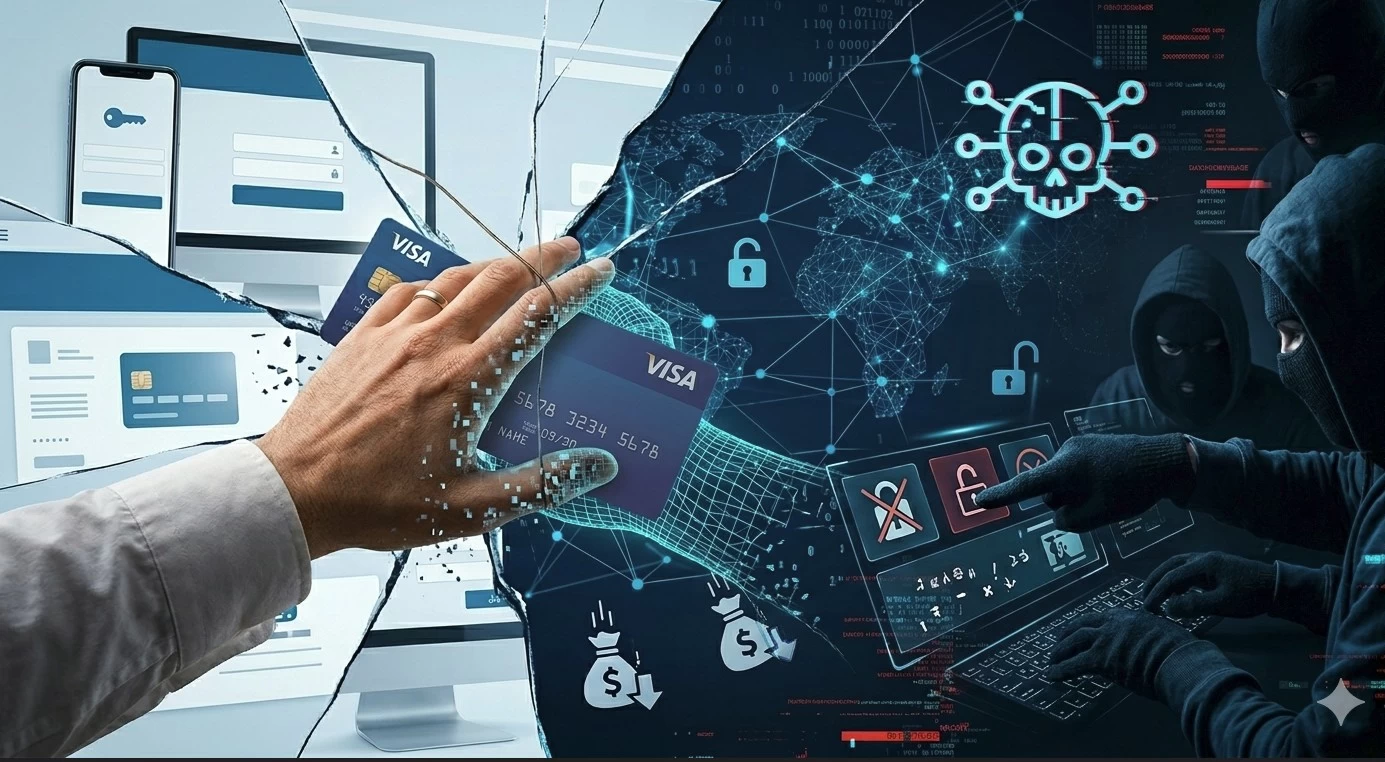
الاحتيال الإلكتروني أضحى واحداً من أخطر التحديات التي تواجه المجتمعات الرقمية في العصر الحديث، ولم يترك المحتالون وسيلة إلا استغلوها طمعاً في المال السريع والربح غير المشروع.
ومع توسّع الخدمات الحكومية الإلكترونية، برزت منصة (أبشر) واحدةً من أكثر المنصات استهدافاً من ضعاف النفوس، الذين يجوبون المواقع المشبوهة؛ بحثاً عن ضحاياهم، فينسجون حيلهم بمهارة ويضعون السم في العسل عبر روابط ورسائل تبدو رسمية، لكنها تحمل في جوفها فخاخاً رقمية خطيرة.
ورصدت الجهات المختصة في الفترة الأخيرة انتشار روابط مزيّفة وصفحات دخول مقلدة تدّعي ارتباطها بمنصة أبشر أو ببوابات رسمية أخرى تستدرج المستخدمين لإدخال بياناتهم الشخصية أو البنكية، ما دفع المنصة إلى إصدار تحذيرات عاجلة تحثّ المستفيدين على عدم التعامل مع أي رسائل مجهولة المصدر، والتأكد دائماً من صحة الروابط قبل إدخال أي معلومات حسّاسة.
المنصة أكدت أن الوصول الآمن لخدماتها يتم حصراً عبر الرابط الرسمي (https://www.absher.sa)، وكذلك موقع وزارة الداخلية عبر (https://www.moi.gov.sa)، وأن أي رابط آخر يُعد محاولة احتيالية تهدف إلى سرقة بيانات المستخدمين واستغلالها في عمليات مشبوهة.
نصب وأرباح سريعة
الباحث الأمني والخبير في الأمن السيبراني ومكافحة الجرائم الإلكترونية محمد السريعي، يرى أن الاحتيال الإلكتروني يُعد أحد أشكال النصب الحديثة التي تهدف إلى الاستيلاء على أموال وممتلكات الآخرين بطرق غير مشروعة، من خلال استغلال الشبكة العنكبوتية والروابط المشبوهة التي تُرسل إلى أجهزة الهواتف المحمولة والحواسيب. ويشير إلى أن هذه الأساليب قد تتسبب في خسارة الأرصدة البنكية بمجرد ضغطة زر لا ينتبه لها الضحية.
ويضيف السريعي أن الاحتيال الإلكتروني يعتمد على تحقيق أرباح مالية كبيرة عبر عمليات نصب محددة وسريعة تُستخدم فيها حسابات مصرفية عدة، إذ تستهدف العصابات مبالغ صغيرة، لكن بعدد كبير من العمليات المتتابعة، لتنتقل الأموال بين حسابات متعددة قبل أن تستقر في النهاية في حسابات الرؤوس الكبيرة لهذه العصابات، التي غالباً ما تكون خارج حدود الوطن.
تنوّع طرق الاحتيال
الخبير السريعي حذّر من تنوع طرق الاحتيال الإلكتروني التي تستهدف مختلف أجهزة الحاسب الآلي والهواتف المحمولة، من خلال استغلال البرامج والتطبيقات المتصلة بالإنترنت. وأوضح أن المحتالين يستخدمون روابط خبيثة تنتحل الصفحات الرسمية، ويستهدفون البريد الإلكتروني برسائل تتضمن روابط لمسابقات أو جوائز مغرية، كما قد تصل رسائل تبدو وكأنها مرسلة من صديق أو جهة رسمية، بينما هي في الحقيقة محاولات تصيّد إلكتروني تطلب من المستخدم معلومات حساسة. وقد تتضمن هذه الرسائل ادعاءً بضرورة تغيير كلمة المرور الخاصة بالحساب المصرفي ما يؤدي إلى اختراقه.
الأجهزة المحمولة في خطر
يبيّن السريعي أن الرسائل الاحتيالية غالباً ما تُصاغ بطريقة احترافية تجعلها تبدو مطابقة للرسائل الرسمية، ما يزيد من احتمالية استجابة المستخدم وتنفيذ المطلوب، وبالتالي إدخال كلمة مرور جديدة يمكن لجهة الاحتيال استخدامها لاحقاً. موضحاً أن من أساليب الاحتيال الإلكتروني استهداف الأجهزة المحمولة، إذ يؤدي تثبيت تطبيقات مهكرة أو الضغط على روابط مجهولة إلى اختراق البيانات الشخصية وسرقة معلومات حساسة مثل كلمات المرور وأرقام البطاقات البنكية. ويلجأ بعض المحتالين إلى انتحال صفة قريب أو صديق لطلب خدمة معينة، كإعادة شحن رصيد الهاتف أو الحصول على معلومات شخصية.
وأشار السريعي إلى أن الحواسيب، خصوصاً تلك الخاصة بالشركات ورجال الأعمال، تُعد هدفاً رئيسياً للمحتالين، إذ يقوم القراصنة باختراق الأجهزة عبر برمجيات وروابط خبيثة تؤدي إلى تعطيلها، ثم يتواصلون مع الضحية لابتزازه وطلب المال مقابل استعادة إمكانية الوصول إلى حساباته أو ملفاته.
ويسلط السبيعي الضوء على النمو السريع لحجم التجارة الإلكترونية، الذي قد يستغله المحتالون عبر إنشاء مواقع مزيفة وغير معتمدة، فيقع الضحية في فخ الدفع الإلكتروني دون التحقق من مصداقية الموقع، ليكتشف لاحقاً أنه تعرض لعملية نصب وسُرقت بياناته المصرفية.
كيف تحمي حسابك؟
نبّه السريعي إلى خطورة استغلال الكوارث والأزمات، اذ يعمد المحتالون إلى إطلاق حملات تبرع وهمية بحجة مساعدة المتضررين، فيندفع الضحية بحسن نية للتبرع دون التحقق من الجهة المستلمة، وقد يقدم معلوماته المصرفية في لحظة تعاطف، لتذهب تلك الأموال إلى جهات معادية أو منظمات إرهابية. ودعا السريعي إلى الاعتماد على الجهات الرسمية الموثوقة مثل مركز الملك سلمان للإغاثة والأعمال الإنسانية، الذي يمتلك منصات معتمدة تمنع استغلال الكوارث لتحقيق مكاسب غير مشروعة.
وقدم السريعي مجموعة من الحلول لمواجهة الاحتيال الإلكتروني وتعزيز أمن المعلومات؛ من أبرزها استخدام النسخ القانونية من التطبيقات البنكية وتطبيقات المتاجر الإلكترونية المعروفة، إذ إن تحميل أي تطبيق من مصادر مجهولة قد يعرض البيانات الشخصية للسرقة ويؤدي إلى الابتزاز الإلكتروني. كما شدد على ضرورة إدراك المستخدمين أن البنوك لا تطلب عبر البريد الإلكتروني إدخال أرقام البطاقات البنكية أو الائتمانية.
حدثّوا هواتفكم
السريعي شدّد على أهمية عدم تجاهل تحديثات أنظمة الهواتف المحمولة؛ لأنها تُعنى بتعزيز حماية الجهاز من مختلف أشكال الاختراق، إضافة إلى ضرورة تجنب فتح الروابط مجهولة المصدر أو رسائل البريد الإلكتروني غير الموثوقة. كما دعا إلى استخدام برامج مكافحة الفايروسات على الهواتف الذكية وأجهزة الحاسوب لرفع مستوى الحماية، مع الحرص على استخدام كلمات مرور معقدة تتضمن حروفاً ورموزاً وأرقاماً لضمان أعلى درجات الأمان.
«أمن الدولة» تحذّر
حذّرت رئاسة أمن الدولة من بعض أساليب الاحتيال المالي التي يلجأ إليها المحتالون للإيقاع بضحاياهم؛ أبرزها انتحال صفة مسؤولين رسميين أو جهات حكومية لطلب معلومات الحسابات البنكية بحجة إيداع مبالغ مالية مستحقة. كما تشمل الأساليب الاحتيالية انتحال صفة مؤسسات وشركات استثمارية معروفة، وتقديم عروض استثمارية وهمية تتضمن نسب أرباح مرتفعة بهدف جذب الضحايا وإقناعهم بتحويل الأموال.
وبيّنت رئاسة أمن الدولة أن من بين طرق الاحتيال أيضاً تزييف مواقع إلكترونية تبدو مشابهة للمواقع الرسمية للحصول على معلومات المستخدمين بطرق غير قانونية، إضافة إلى الرسائل المزيفة التي تنتحل صفة شركات تجارية معروفة، والتي تُستخدم لاستدراج الضحية إلى تقديم بياناته الشخصية أو المالية، مما يعرّضه لخطر السرقة والاستغلال.
الجاني خبير في النصب
ماجد الأحمري
المحامي والمستشار القانوني ماجد الأحمري يرى أن جرائم النصب والاحتيال من الجرائم المالية التي تتطلب من الجاني قدراً من الدراية والخبرة في أساليب الخداع، إذ يسعى المحتال إلى الاستيلاء على مال في حيازة الغير بنية تملكه دون استخدام الإكراه. ويتم تنفيذ عمليات النصب والاحتيال عبر وسائل متعددة؛ أبرزها انتحال اسم أو صفة غير حقيقية، أو إيهام الضحية بوجود مشروع أو واقعة كاذبة، أو خلق أمل بالحصول على ربح وهمي.
وأوضح أن الركن المادي لجريمة النصب يشمل وسيلة الخداع، والنتيجة الإجرامية المتمثلة في تسليم الضحية ماله للجاني، إضافة إلى العلاقة السببية التي تربط بين النشاط الإجرامي والنتيجة. كما يتضمن النشاط الإجرامي الوسيلة التي استخدمها الجاني لتحقيق هدفه، وهو عمل يقوم به عن علم وإرادة واعية، إذ لا جريمة ولا عقوبة إلا بنص.
وأضاف أن الركن المعنوي أو القصد الجنائي يتطلب توافر القصد العام، أي إرادة الجاني ارتكاب الفعل الإجرامي مع علمه بأركانه، إضافة إلى القصد الخاص المتمثل في نية سلب مال الغير وحرمانه منه نهائياً، ويتم إثبات هذا القصد من خلال إظهار الأكاذيب وطرق الاحتيال.
تهكير واختراق ووصول
الأحمري أكد أن الجناة يستخدمون طرقاً مباشرة وغير مباشرة في تنفيذ جرائمهم، ومن أبرز الطرق غير المباشرة «التهكير» أو الاختراق الإلكتروني، وهو الوصول غير المشروع إلى شبكة أو جهاز حاسوب بهدف التجسس على البيانات أو تغيير النظام أو استغلال الثغرات الأمنية لتخريب الجهاز أو السيطرة عليه.
وأوضح الأحمري أن المادة الثالثة من نظام مكافحة الجرائم المعلوماتية نصت على معاقبة كل من يرتكب جرائم معلوماتية بالسجن مدة لا تزيد على سنة وبغرامة لا تتجاوز 500 ألف ريال، أو بإحدى هاتين العقوبتين، وتشمل هذه الجرائم التنصت على ما يُرسل عبر الشبكة المعلوماتية أو أحد أجهزة الحاسب الآلي دون مسوغ نظامي، أو اعتراضه، أو الدخول غير المشروع بهدف التهديد أو الابتزاز، أو الدخول إلى موقع إلكتروني لتغيير تصميمه أو إتلافه أو تعديله، إضافة إلى المساس بالحياة الخاصة عبر إساءة استخدام الهواتف المزودة بالكاميرا.
وبيّن أن المادة الخامسة من النظام نصت على معاقبة كل من يستولي لنفسه أو لغيره على مال منقول أو سند أو توقيع هذا السند عن طريق الاحتيال أو اتخاذ اسم كاذب أو انتحال صفة غير صحيحة بالسجن مدة لا تزيد على ثلاث سنوات وبغرامة لا تتجاوز مليوني ريال، أو بإحدى هاتين العقوبتين، كما تشمل العقوبة كل من يصل دون مسوغ نظامي إلى بيانات بنكية أو ائتمانية أو بيانات متعلقة بملكية أوراق مالية بهدف الحصول على بيانات أو أموال أو خدمات.
وشدد الأحمري على أن المادة الرابعة من النظام نصت على العقوبة ذاتها لكل من يستولي لنفسه أو لغيره على مال منقول أو سند أو توقيع هذا السند عن طريق الاحتيال أو انتحال صفة غير صحيحة، كما يعاقب بالعقوبة ذاتها كل من يصل دون مسوغ نظامي إلى بيانات بنكية أو ائتمانية أو بيانات متعلقة بملكية أوراق مالية بهدف الحصول على بيانات أو أموال أو خدمات.
المحرضون تطالهم العقوبة
المحامي الأحمري أشار إلى أن العقوبة تشمل أيضاً كل من حرّض غيره أو ساعده أو اتفق معه على ارتكاب أي من الجرائم المنصوص عليها في النظام، إذا وقعت الجريمة بناءً على هذا التحريض أو المساعدة أو الاتفاق، على ألا تتجاوز العقوبة الحد الأعلى المقرر للجريمة، وفي حال عدم وقوع الجريمة الأصلية يُعاقب المحرض أو المساعد بما لا يتجاوز نصف الحد الأعلى للعقوبة. ونصح الأحمري كل من يتعرض للاحتيال الإلكتروني بضرورة الإبلاغ الفوري عن الواقعة لاسترجاع الحقوق والمساهمة في حماية الآخرين من الوقوع في شباك المحتالين، مع التواصل مع البنك لإبلاغه بعملية الاحتيال وطلب إيقاف التحويل وتجميده وإعادته للمجني عليه إن أمكن.
Electronic fraud has become one of the most dangerous challenges facing digital societies in the modern era, with fraudsters exploiting every possible means in their greed for quick money and illicit profit.
With the expansion of electronic government services, the (Absher) platform has emerged as one of the most targeted platforms by unscrupulous individuals, who scour suspicious sites in search of their victims, skillfully weaving their tricks and putting poison in honey through links and messages that appear official, but contain dangerous digital traps.
Recently, the relevant authorities have detected the spread of fake links and cloned login pages claiming to be associated with the Absher platform or other official portals, luring users to enter their personal or banking information. This prompted the platform to issue urgent warnings urging beneficiaries not to engage with any messages from unknown sources and to always verify the authenticity of links before entering any sensitive information.
The platform confirmed that secure access to its services is exclusively through the official link (https://www.absher.sa), as well as the Ministry of Interior's website at (https://www.moi.gov.sa), and that any other link is considered a fraudulent attempt aimed at stealing users' data and exploiting it in suspicious operations.
Scams and Quick Profits
Security researcher and cybersecurity expert Mohammed Al-Suraihi believes that electronic fraud is one of the modern forms of scams aimed at seizing the money and property of others through illegal means, by exploiting the internet and suspicious links sent to mobile phones and computers. He points out that these methods can lead to the loss of bank balances with just a click of a button that the victim does not pay attention to.
Al-Suraihi adds that electronic fraud relies on achieving significant financial profits through specific and quick scams that involve multiple bank accounts, as gangs target small amounts but conduct a large number of consecutive transactions, moving money between multiple accounts before it ultimately settles in the accounts of the gang's leaders, who are often outside the country's borders.
Diverse Fraud Methods
Expert Al-Suraihi warned of the diversity of electronic fraud methods targeting various computers and mobile devices, by exploiting internet-connected programs and applications. He explained that fraudsters use malicious links that impersonate official pages, targeting email with messages containing links to contests or enticing prizes. Messages may also appear to be sent from a friend or an official entity, while in reality, they are phishing attempts asking the user for sensitive information. These messages may include claims of needing to change the password for the bank account, leading to its breach.
Mobile Devices at Risk
Al-Suraihi indicates that fraudulent messages are often crafted in a professional manner that makes them look identical to official messages, increasing the likelihood of user response and compliance, thus entering a new password that the fraudster can use later. He clarifies that one of the electronic fraud methods targets mobile devices, as installing hacked applications or clicking on unknown links can lead to breaches of personal data and theft of sensitive information such as passwords and bank card numbers. Some fraudsters impersonate a relative or friend to request a specific service, such as recharging a phone balance or obtaining personal information.
Al-Suraihi pointed out that computers, especially those belonging to companies and businessmen, are a primary target for fraudsters, as hackers breach devices through malicious software and links that disable them, then contact the victim to extort money in exchange for regaining access to their accounts or files.
He highlights the rapid growth of e-commerce, which fraudsters may exploit by creating fake and unverified websites, causing the victim to fall into the trap of electronic payment without verifying the site's credibility, only to later discover that they have been scammed and their banking data stolen.
How to Protect Your Account?
Al-Suraihi warned of the dangers of exploiting disasters and crises, as fraudsters launch fake donation campaigns under the pretext of helping the affected, prompting the victim to donate in good faith without verifying the receiving entity. They may provide their banking information in a moment of sympathy, allowing those funds to go to hostile entities or terrorist organizations. Al-Suraihi urged reliance on trusted official entities such as the King Salman Humanitarian Aid and Relief Center, which has accredited platforms that prevent the exploitation of disasters for illegal gains.
He provided a set of solutions to combat electronic fraud and enhance information security; among the most prominent is using legitimate versions of banking applications and well-known e-commerce applications, as downloading any application from unknown sources may expose personal data to theft and lead to electronic extortion. He emphasized the necessity for users to understand that banks do not request banking or credit card numbers via email.
Update Your Phones
Al-Suraihi stressed the importance of not ignoring updates for mobile operating systems, as they are concerned with enhancing device protection from various forms of hacking, in addition to the necessity of avoiding opening unknown source links or untrusted email messages. He also called for the use of antivirus programs on smartphones and computers to raise the level of protection, while ensuring the use of complex passwords that include letters, symbols, and numbers to guarantee the highest levels of security.
State Security Warns
The Presidency of State Security has warned of some financial fraud methods that fraudsters resort to in order to ensnare their victims; the most prominent of which is impersonating official officials or government entities to request banking account information under the pretext of depositing due financial amounts. Fraudulent methods also include impersonating well-known institutions and investment companies, offering fake investment opportunities that promise high profit rates to attract victims and convince them to transfer money.
The Presidency of State Security indicated that among the fraud methods are also the forgery of websites that appear similar to official sites to obtain user information illegally, in addition to fake messages impersonating well-known commercial companies, which are used to lure the victim into providing their personal or financial data, exposing them to the risk of theft and exploitation.
The Perpetrator is an Expert in Scams
Lawyer and legal consultant Majid Al-Ahmari believes that fraud and scam crimes are financial crimes that require the perpetrator to possess a certain degree of knowledge and expertise in deception methods, as the fraudster seeks to seize money in the possession of others with the intent of owning it without using coercion. Fraud and scam operations are carried out through multiple means; the most prominent of which is impersonating a false name or identity, misleading the victim with a false project or incident, or creating false hope of obtaining illusory profits.
He explained that the material element of the fraud crime includes the means of deception, the criminal result represented in the victim handing over their money to the perpetrator, in addition to the causal relationship linking the criminal activity and the result. The criminal activity also includes the means used by the perpetrator to achieve their goal, which is an act performed knowingly and with conscious intent, as there is no crime or punishment without a text.
He added that the moral element or criminal intent requires the presence of general intent, meaning the perpetrator's will to commit the criminal act with their knowledge of its elements, in addition to the specific intent represented in the intention to deprive another of their money permanently, and this intent is proven through the display of lies and fraud methods.
Hacking, Breaching, and Accessing
Al-Ahmari confirmed that perpetrators use direct and indirect methods to commit their crimes, with one of the most prominent indirect methods being "hacking" or electronic breaching, which is the unauthorized access to a network or computer device with the aim of spying on data, altering the system, or exploiting security vulnerabilities to damage the device or take control of it.
Al-Ahmari explained that Article 3 of the Anti-Cyber Crimes Law stipulates punishing anyone who commits cyber crimes with imprisonment for a period not exceeding one year and a fine not exceeding 500,000 Riyals, or one of these two penalties. These crimes include eavesdropping on what is sent over the information network or one of the computers without legal justification, intercepting it, or unauthorized access for the purpose of threatening or extorting, or entering a website to change its design, damage it, or modify it, in addition to invading privacy through the misuse of phones equipped with cameras.
He indicated that Article 5 of the law stipulates punishing anyone who unlawfully seizes movable property or a document or forges the signature of this document through fraud or by adopting a false name or impersonating a false identity with imprisonment for a period not exceeding three years and a fine not exceeding two million Riyals, or one of these two penalties. The punishment also includes anyone who unlawfully accesses banking or credit data or data related to the ownership of financial securities with the aim of obtaining data or money or services.
Al-Ahmari emphasized that Article 4 of the law stipulates the same penalty for anyone who unlawfully seizes movable property or a document or forges the signature of this document through fraud or impersonation of a false identity, as well as anyone who unlawfully accesses banking or credit data or data related to the ownership of financial securities with the aim of obtaining data or money or services.
Instigators Are Subject to Punishment
Lawyer Al-Ahmari pointed out that the punishment also includes anyone who incites others or assists them or agrees with them to commit any of the crimes stipulated in the law, if the crime occurs based on this incitement, assistance, or agreement, provided that the punishment does not exceed the maximum limit set for the crime. In the event that the original crime does not occur, the instigator or assistant is punished with no more than half the maximum limit of the penalty. Al-Ahmari advised anyone who falls victim to electronic fraud to report the incident immediately to recover rights and contribute to protecting others from falling into the traps of fraudsters, while contacting the bank to inform them of the fraud operation and request to stop the transfer, freeze it, and return it to the victim if possible.