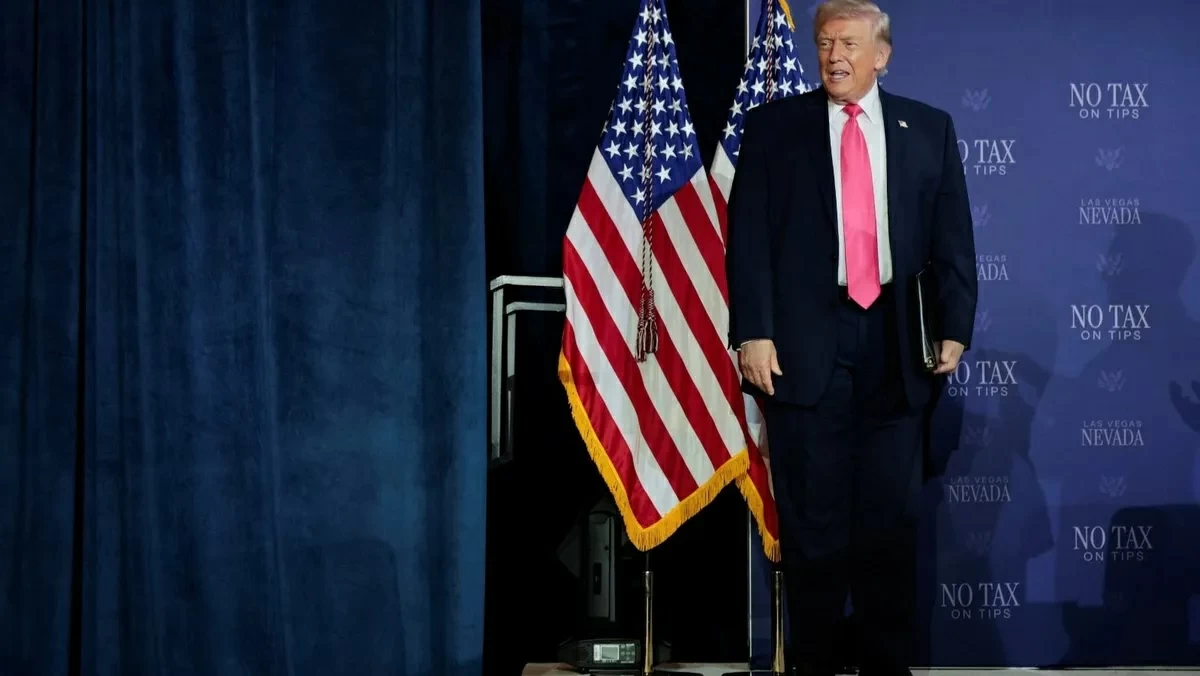
اعتبرت صحيفة «وول ستريت جورنال»، أن إلغاء رحلة المبعوثين الأمريكيين ستيف ويتكوف وجاريد كوشنر إلى باكستان في ظلم تعطل مسار التفاوض مع إيران، يترك الرئيس دونالد ترمب أمام خيارات تبدو «محدودة» بشأن كيفية دفع طهران لتقديم التنازلات لإبرام اتفاق ينهي الحرب.
الطرفان بعيدان عن التوافق
ونقلت في تقرير نشرته، الأحد، عن مسؤولين أمريكيين وإيرانيين تأكيدهم أن الطرفين لا يزالان بعيدين عن التوافق بشأن قضايا مثل الحصار البحري، إغلاق مضيق هرمز، والبرنامج النووي الإيراني.
ولفتت إلى أن الجمود في المحادثات يضع ترمب أمام خيارات: إما تصعيد الصراع، أو قبول اتفاق لم يكن يرغب به، أو الاستمرار في استخدام الحصار للضغط على إيران للتنازل.
وحسب الصحيفة فإن ترمب يبدو متردداً في العودة إلى القتال، ما قد يجر الولايات المتحدة إلى صراع كان يسعى لإنهائه خلال أربعة إلى ستة أسابيع. وأضافت أن الحفاظ على الحصار بينما تمنع إيران فتح مضيق هرمز قد يؤدي إلى مزيد من الضرر للاقتصاد العالمي.
لا مؤشرات على قرب المحادثات
ورغم التعقيدات التي أصابت جولة التفاوض المرتقبة، فإن دبلوماسياً إيرانياً ومصادر مطلعة أخرى، لم تستبعد إمكانية عقد اجتماع مع الولايات المتحدة خلال الأيام القادمة. إلا أنه لم تكن هناك مؤشرات واضحة على قرب استئناف المحادثات، خصوصاً أن السلطات الباكستانية شرعت في إعادة فتح الطرق والمناطق التي كانت تخضع لقيود أمنية منذ الأسبوع الماضي تحسباً لجولة مفاوضات.
قضايا متشابكة تعرقل الحل
ونقلت الصحيفة عن مديرة قسم الشرق الأوسط في مركز تشاتام هاوس في لندن سانام وكيل، قولها: الإيرانيون لا يريدون الاجتماع وجهاً لوجه إلا بعد تقارب مواقفهم مع الولايات المتحدة. هم لا يرون جدوى من الاجتماع لأنه يمنح ترمب سيطرة كبيرة على السرد الذي يحرصون على عدم منحه له.
واعتبرت أن الجهود الدبلوماسية بدت أكثر نشاطاً الجمعة مع وصول عراقجي إلى إسلام أباد، إذ كان موجوداً رسمياً لإيصال رسائل إلى الولايات المتحدة عبر باكستان، وفقاً للمتحدث باسمه.
وأوضح التقرير أن الطرفين يواجهان مجموعة من القضايا المتشابكة التي تعيق التوصل إلى حل طويل الأمد للصراع، بما في ذلك اختلاف وجهات النظر حول بنود الاتفاق الذي أوقف القتال في وقت سابق من الشهر الجاري.
ونقلت عن مدير مشروع إيران في مجموعة الأزمات الدولية علي واعظ، قوله: «كلا الجانبين يعتقد أنه يمتلك اليد العليا، ويجب أن يُعاد فتح حركة الملاحة البحرية بشكل متزامن».
فجوة البرنامج النووي
ووفق التقرير، فإنه حتى لو حل الطرفان خلافاتهما بشأن لبنان والحصار البحري، سيظل عليهما سد الفجوة حول البرنامج النووي، إذ تريد الولايات المتحدة من طهران نقل مخزونات اليورانيوم عالي التخصيب خارج البلاد والقضاء على قدرتها على تخصيب اليورانيوم محلياً. فيما تتمسك بالحفاظ على البرنامج النووي باعتباره «خط أحمر».
وأضاف التقرير أن الطرفين، رغم الصعوبات، يبدوان غير مستعدين لاستئناف القتال، إذ مدد ترمب اتفاق وقف إطلاق النار الأسبوع الماضي، لكنه واصل توجيه تهديداته لإيران.
The Wall Street Journal considered that the cancellation of the trip of American envoys Steve Witkoff and Jared Kushner to Pakistan, which disrupted the negotiation process with Iran, leaves President Donald Trump with options that seem "limited" regarding how to push Tehran to make concessions to reach an agreement that ends the war.
The two sides are far from agreement
In a report published on Sunday, it quoted American and Iranian officials confirming that the two sides are still far from agreement on issues such as the maritime blockade, the closure of the Strait of Hormuz, and the Iranian nuclear program.
It pointed out that the stalemate in the talks puts Trump in a position where he has to choose: either escalate the conflict, accept an agreement he does not want, or continue using the blockade to pressure Iran into concessions.
According to the newspaper, Trump appears hesitant to return to fighting, which could drag the United States into a conflict he has been trying to end within four to six weeks. It added that maintaining the blockade while Iran prevents the opening of the Strait of Hormuz could lead to further damage to the global economy.
No signs of imminent talks
Despite the complications affecting the anticipated round of negotiations, an Iranian diplomat and other informed sources did not rule out the possibility of holding a meeting with the United States in the coming days. However, there were no clear indications of the imminent resumption of talks, especially since Pakistani authorities began reopening roads and areas that had been under security restrictions since last week in anticipation of a round of negotiations.
Intertwined issues hinder resolution
The newspaper quoted Sanam Wakel, the director of the Middle East program at Chatham House in London, saying: "The Iranians do not want to meet face-to-face until their positions converge with those of the United States. They see no benefit in the meeting because it gives Trump significant control over the narrative that they are keen not to grant him."
It noted that diplomatic efforts appeared more active on Friday with the arrival of Araqchi in Islamabad, as he was officially present to deliver messages to the United States through Pakistan, according to his spokesperson.
The report clarified that both sides face a set of intertwined issues that hinder reaching a long-term solution to the conflict, including differing views on the terms of the agreement that halted fighting earlier this month.
It quoted Ali Vaez, the director of the Iran project at the International Crisis Group, saying: "Both sides believe they hold the upper hand, and maritime navigation should be reopened simultaneously."
The nuclear program gap
According to the report, even if the two sides resolve their differences regarding Lebanon and the maritime blockade, they will still need to bridge the gap on the nuclear program, as the United States wants Tehran to transfer its stockpiles of highly enriched uranium out of the country and eliminate its ability to enrich uranium domestically. Meanwhile, Iran insists on maintaining its nuclear program as a "red line."
The report added that despite the difficulties, both sides appear unwilling to resume fighting, as Trump extended the ceasefire agreement last week but continued to issue threats to Iran.