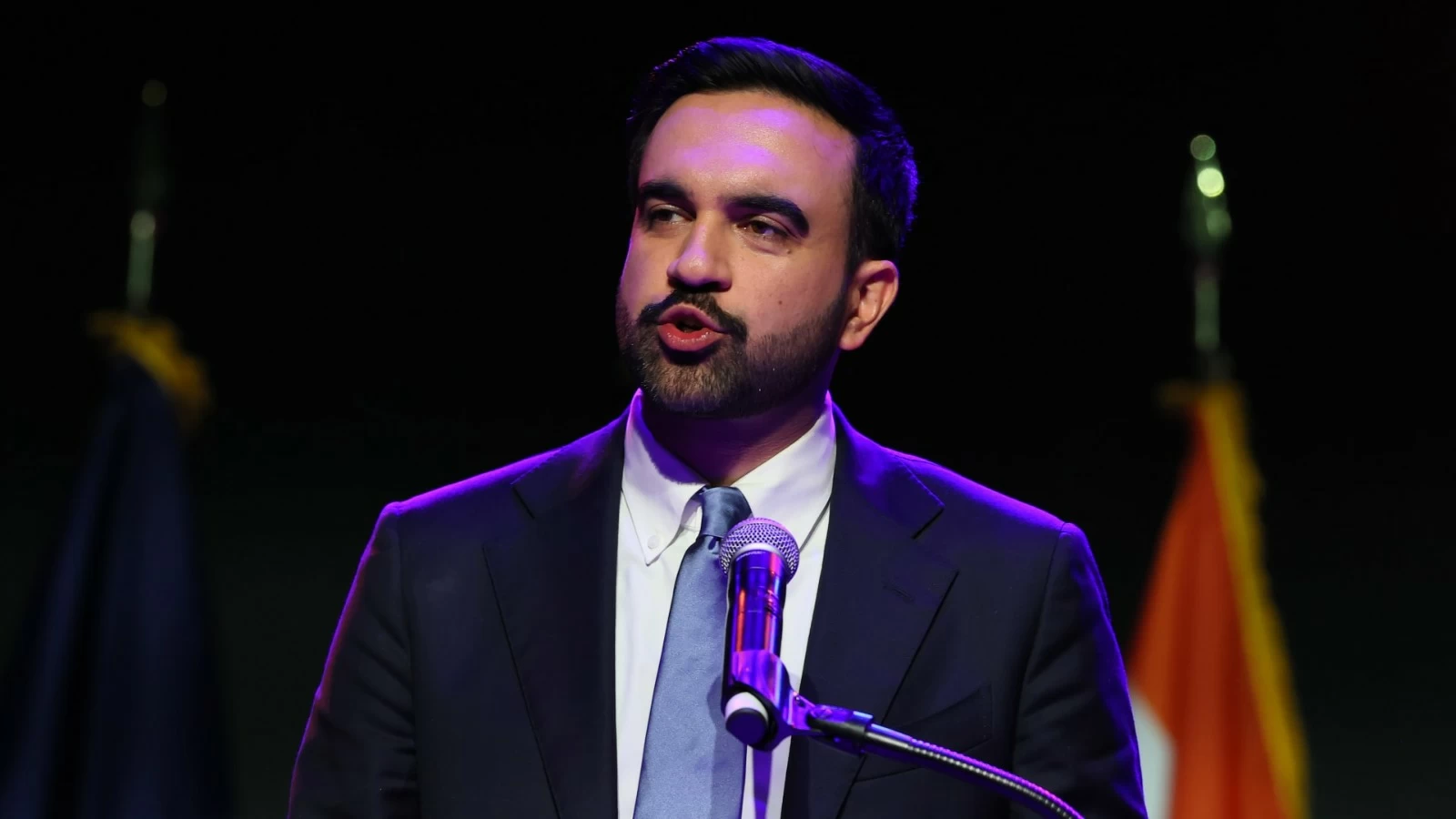
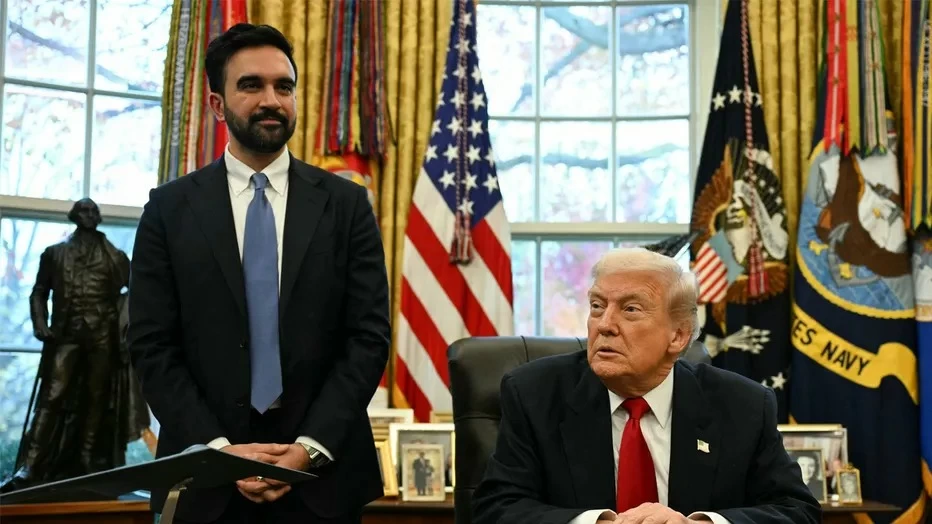
استخدم عمدة مدينة نيويورك زهران ممداني، أمس (الجمعة)، حق الفيتو ضد مشروع قانون مثير للجدل يسمح لشرطة نيويورك بإنشاء «مناطق عازلة» أو «محيطات أمنية» حول المؤسسات التعليمية، في خطوة اعتبرها مراقبون دفاعاً عن حرية التعبير في مواجهة الضغوط الداعمة لإسرائيل.
وكان مجلس مدينة نيويورك قد أقر مشروع القانون الذي قدمه عضو المجلس إريك دينويتز، في 26 مارس الماضي بأغلبية 30 صوتاً مقابل 19، على خلفية تصاعد الاحتجاجات المناهضة للحرب الإسرائيلية على غزة داخل الحرم الجامعي، خصوصاً مخيمات الاحتجاج في جامعة كولومبيا وغيرها.
وأعلن العمدة ممداني، في بيان رسمي مصحوب بفيديو، رفضه المصادقة على القانون، معتبراً أن نصه «واسع جداً ومقلق دستورياً»، قائلاً: إن القانون يمكن أن يُستخدم لتقييد حق الطلاب والمواطنين في التظاهر السلمي، سواء كان ذلك دعماً للحقوق الفلسطينية، أو مطالبة الجامعات بالانسحاب من الاستثمارات في الوقود الأحفوري، أو احتجاج عمال ضد الهجرة.
وأوضح ممداني أن تعريف «المؤسسة التعليمية» في القانون واسع للغاية، إذ يشمل الجامعات والمدارس والمتاحف والمستشفيات التعليمية، ما قد يفتح الباب أمام تقييد واسع للاحتجاجات المدنية، مضيفاً: «هذا القانون لا يقتصر على ضمان الأمن، بل يمس جوهر حرية التعبير المكفولة في التعديل الأول للدستور الأمريكي».
وكان مجلس المدينة قد أقر مشروع قانون مشابه يتعلق بإنشاء مناطق عازلة حول دور العبادة بأغلبية كبيرة ( 44 مقابل 5) تجعله «غير قابل للفيتو»، وقد سمح ممداني بتمريره دون اعتراض.
وقوبل فيتو ممداني بانتقادات حادة من منظمات يهودية بارزة، مثل رابطة مكافحة التشهير والاتحاد اليهودي في نيويورك، التي اعتبرت القرار «فشلاً في حماية سلامة الطلاب والسكان»، خصوصاً في ظل ما تصفه بـ«تصاعد معاداة السامية» المرتبطة ببعض الاحتجاجات المؤيدة لفلسطين.
في المقابل، رحبت منظمات تقدمية ونقابات عمالية ومنظمات حقوقية، مثل اتحاد الحريات المدنية في نيويورك وغيرها بالفيتو، معتبرة إياه انتصاراً لحرية التعبير، وحذرت هذه الأطراف من أن القانون كان سيمنح الشرطة صلاحيات واسعة قد تؤدي إلى قمع الأصوات المعارضة، خصوصاً في سياق الحراك المؤيد لفلسطين.
New York City Mayor Zahran Mamdani used his veto power yesterday (Friday) against a controversial bill that allows the New York Police Department to create "buffer zones" or "security perimeters" around educational institutions, in a move that observers considered a defense of free speech in the face of pro-Israel pressures.
The New York City Council had passed the bill introduced by Council Member Eric Dinowitz on March 26 with a majority of 30 votes to 19, amid rising protests against the Israeli war on Gaza within the campus, particularly the protest camps at Columbia University and elsewhere.
Mayor Mamdani announced in an official statement accompanied by a video his refusal to sign the law, considering its text "too broad and constitutionally concerning," stating that the law could be used to restrict the right of students and citizens to peaceful protest, whether in support of Palestinian rights, demanding universities divest from fossil fuel investments, or workers protesting against immigration.
Mamdani clarified that the definition of "educational institution" in the law is extremely broad, as it includes universities, schools, museums, and educational hospitals, which could open the door to widespread restrictions on civil protests, adding: "This law is not limited to ensuring security; it touches the essence of free speech guaranteed by the First Amendment of the U.S. Constitution."
The city council had previously passed a similar bill regarding the establishment of buffer zones around places of worship with a large majority (44 to 5), making it "veto-proof," and Mamdani allowed it to pass without objection.
Mamdani's veto was met with sharp criticism from prominent Jewish organizations, such as the Anti-Defamation League and the Jewish Federation of New York, which considered the decision "a failure to protect the safety of students and residents," especially in light of what they describe as "rising anti-Semitism" linked to some pro-Palestine protests.
In contrast, progressive organizations, labor unions, and human rights groups, such as the New York Civil Liberties Union and others, welcomed the veto, considering it a victory for free speech, and warned that the law would have granted the police broad powers that could lead to the suppression of dissenting voices, especially in the context of the pro-Palestine movement.