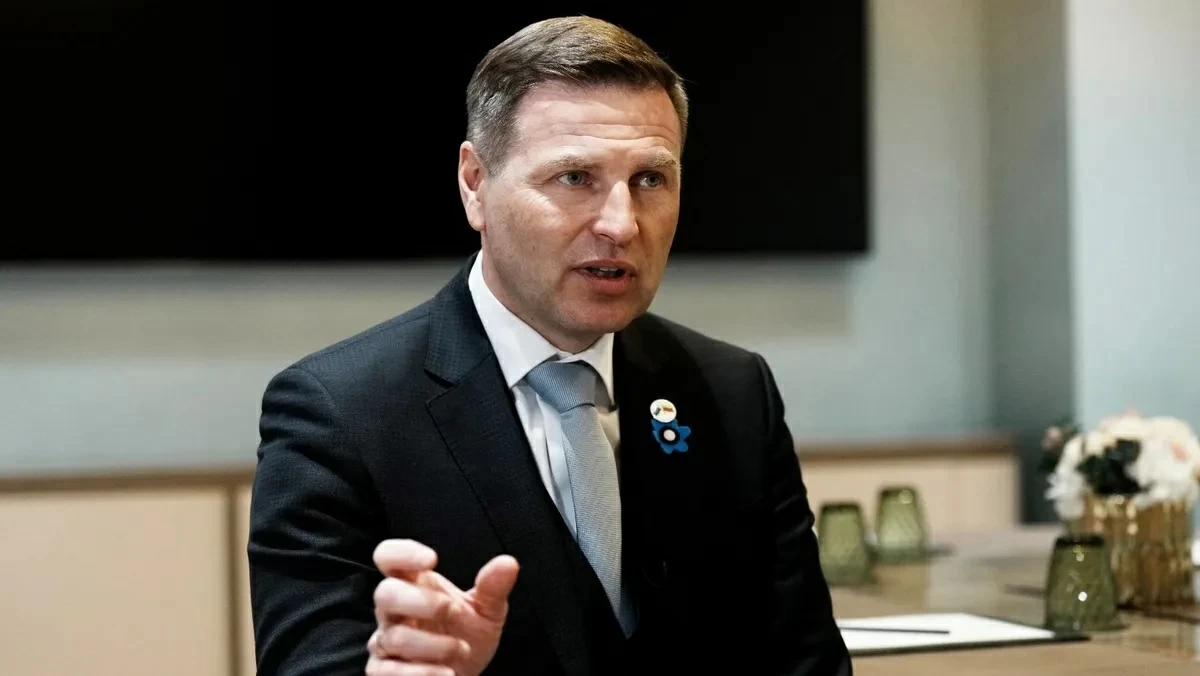
أعرب وزير الدفاع الإستوني هانو بيفكور، عن اعتقاده بأن حلف شمال الأطلسي «الناتو» لن ينهار. وقال إن بلاده لا تشك في أن الولايات المتحدة ستساعد في الدفاع عنها في حال شنت روسيا هجوماً عليها، محذّراً من أن أوروبا ليست مستعدة لمواجهة موسكو بمفردها.
وقال بيفكور في مقابلة مع «رويترز»، إنه لا يشك في أن الولايات المتحدة ستدافع عن بلاده إذا هاجمتها روسيا. وأضاف خلال زيارة إلى العاصمة الليتوانية فيلنيوس، أمس (الخميس): «نعم، أنا أثق بالولايات المتحدة، ونعم، أنا أثق بجميع حلفائنا».
ولفت إلى أن الولايات المتحدة تحتاج إلى أوروبا من أجل جيشها بقدر ما تحتاج أوروبا إلى الولايات المتحدة، لذا أعتقد أن حلف شمال الأطلسي لن ينهار، معتبراً أن أوروبا ليست مستعدة الآن للوقوف عسكرياً بمفردها.
وتساءل: هل وصلنا إلى حيث نريد أن نكون؟ وأجاب: لا. علينا جميعاً في حلف شمال الأطلسي أن نستثمر أكثر في الدفاع.
وذكر أن معظم أعضاء الحلف لا يلتزمون بالاتفاق الذي توصل إليه قادة الدول الأعضاء العام الماضي بزيادة الإنفاق إلى ما لا يقل عن 5% من الناتج المحلي الإجمالي، كما طالب ترمب.
ومن المقرر أن تنفق إستونيا 5.1% من ناتجها المحلي الإجمالي هذا العام، وهو من بين أعلى المعدلات في حلف شمال الأطلسي.
واعتبر بيفكور أنه يتعين على حلف شمال الأطلسي أن يركز على المساعدة في إنهاء الصراع في إيران، مضيفاً أن هذا قد يتيح للولايات المتحدة التركيز مرة أخرى على أوكرانيا.
وتعمق الخلاف عبر الأطلسي في ولاية ترمب الثانية بعد أن رفض الحلفاء الأوروبيون، طلبه المساعدة في الحفاظ على مرور آمن لحركة نقل النفط عبر مضيق هرمز.
وكان ترمب لوح في الماضي بفكرة الانسحاب، ونجح في الضغط على أعضاء الحلف لزيادة إنفاقهم الدفاعي.
وأثار طلب ترمب من الناتو المشاركة في حربه ضد إيران تساؤلات بشأن المادة الـ(5) من ميثاق الحلف، التي تنص على أن «الهجوم على أحد الأعضاء هو هجوم على الجميع».
وتم تفعيل هذه المادة مرة واحدة فقط، عقب هجمات 11 سبتمبر على الولايات المتحدة، حيث لقي أكثر من 1100 جندي من خارج الولايات المتحدة مصرعهم خلال الحرب اللاحقة في أفغانستان، بينهم 457 جندياً بريطانياً.
وتنطبق هذه المادة فقط في حال تعرض أحد أعضاء الناتو لهجوم، وبالتالي لا تنطبق على الحرب في إيران، التي بدأت بضربات جوية مشتركة أمريكية-إسرائيلية في 28 فبراير الماضي.
The Estonian Minister of Defense, Hanno Pevkur, expressed his belief that NATO will not collapse. He stated that his country has no doubt that the United States will assist in defending it if Russia launches an attack, warning that Europe is not prepared to face Moscow alone.
Pevkur said in an interview with "Reuters" that he has no doubt the United States will defend his country if it is attacked by Russia. He added during a visit to the Lithuanian capital, Vilnius, yesterday (Thursday): "Yes, I trust the United States, and yes, I trust all our allies."
He pointed out that the United States needs Europe for its military as much as Europe needs the United States, so he believes that NATO will not collapse, considering that Europe is not ready to stand militarily on its own at this time.
He questioned: Have we reached where we want to be? And he answered: No. We all in NATO need to invest more in defense.
He mentioned that most alliance members do not adhere to the agreement reached by member state leaders last year to increase spending to at least 5% of GDP, as Trump demanded.
Estonia is set to spend 5.1% of its GDP this year, which is among the highest rates in NATO.
Pevkur considered that NATO should focus on helping to end the conflict in Iran, adding that this could allow the United States to refocus on Ukraine.
The transatlantic rift deepened during Trump's second term after European allies rejected his request for help in maintaining safe passage for oil transport through the Strait of Hormuz.
Trump had previously hinted at the idea of withdrawal and succeeded in pressuring alliance members to increase their defense spending.
Trump's request for NATO to participate in his war against Iran raised questions about Article 5 of the alliance's charter, which states that "an attack on one member is an attack on all."
This article has only been activated once, following the September 11 attacks on the United States, during which more than 1,100 soldiers from outside the United States lost their lives in the subsequent war in Afghanistan, including 457 British soldiers.
This article applies only if one of the NATO members is attacked, and thus does not apply to the war in Iran, which began with joint U.S.-Israeli airstrikes on February 28.