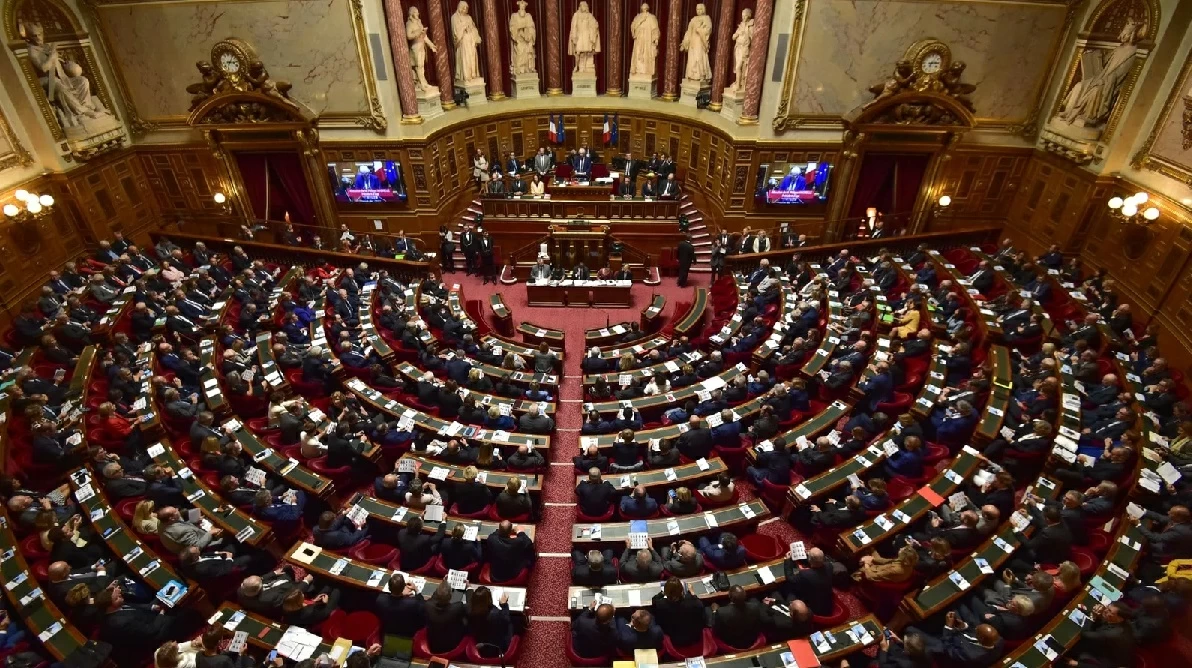
رفض مجلس الشيوخ الأمريكي، اليوم (الأربعاء)، محاولة جديدة من الديمقراطيين لوقف الضربات الأمريكية على إيران.
وصوت المجلس الذي يهيمن عليه الجمهوريون، على رفض مشروع قرار كان من شأنه إلزام الإدارة بسحب القوات الأمريكية من الصراع ما لم يمنح الكونغرس تفويضاً إضافياً، وذلك بنتيجة 52 صوتاً مقابل 47.
ويُعد هذا التصويت الرابع من نوعه هذا العام، ويسعى الديمقراطيون إلى استعادة دور الكونغرس في الإشراف على القرارات العسكرية.
في المقابل، يؤكد الجمهوريون تمسكهم بدعم قيادة الرئيس دونالد ترمب خلال المواجهة مع إيران، محذرين من المخاطر المرتبطة ببرنامجها النووي وتداعيات أي انسحاب أمريكي.
ويأتي هذا التصويت في ظل تصاعد التوتر بين واشنطن وطهران، وسط مخاوف دولية من انزلاق المواجهة إلى صراع أوسع في المنطقة، خصوصاً مع تزايد التحركات العسكرية الأمريكية والحصار المفروض على الموانئ الإيرانية بعد قطع طهران الممر الملاحي الإستراتيجي في مضيق هرمز.
كما يعكس التصويت الانقسام داخل الولايات المتحدة بشأن حدود استخدام القوة العسكرية دون تفويض صريح من الكونغرس، في وقت تتزايد الضغوط على الإدارة لتوضيح إستراتيجيتها تجاه إيران.
ويعيد هذا الجدل إلى الواجهة الخلاف التقليدي في الولايات المتحدة حول صلاحيات إعلان الحرب، إذ يتمسك الديمقراطيون بضرورة تفعيل دور الكونغرس وفق الدستور، بينما يرى الجمهوريون أن للرئيس صلاحيات واسعة في إدارة العمليات العسكرية، خصوصاً في حالات التهديدات العاجلة.
ويُنظر إلى نتائج هذا التصويت على أنها رسالة دعم داخلية للإدارة الأمريكية في مواجهة إيران، بالتزامن مع ترقب حلفاء واشنطن في أوروبا والمنطقة لمسار التصعيد، وانعكاساته على أمن الملاحة وإمدادات الطاقة العالمية.
The U.S. Senate rejected today (Wednesday) a new attempt by Democrats to halt American strikes on Iran.
The Republican-dominated Senate voted to reject a resolution that would have required the administration to withdraw U.S. forces from the conflict unless Congress granted additional authorization, with a result of 52 votes against 47.
This is the fourth such vote this year, as Democrats seek to restore Congress's role in overseeing military decisions.
In contrast, Republicans reaffirm their support for President Donald Trump's leadership during the confrontation with Iran, warning of the risks associated with its nuclear program and the repercussions of any U.S. withdrawal.
This vote comes amid rising tensions between Washington and Tehran, with international concerns about the potential for the confrontation to escalate into a broader conflict in the region, especially with increasing U.S. military movements and the blockade imposed on Iranian ports after Tehran cut off the strategic shipping lane in the Strait of Hormuz.
The vote also reflects the division within the United States regarding the limits of military force without explicit authorization from Congress, as pressure mounts on the administration to clarify its strategy toward Iran.
This debate brings to the forefront the traditional disagreement in the United States over the powers to declare war, with Democrats insisting on the need to activate Congress's role according to the Constitution, while Republicans argue that the president has broad powers to manage military operations, especially in cases of urgent threats.
The results of this vote are seen as an internal message of support for the U.S. administration in facing Iran, coinciding with the anticipation of Washington's allies in Europe and the region regarding the escalation and its implications for maritime security and global energy supplies.