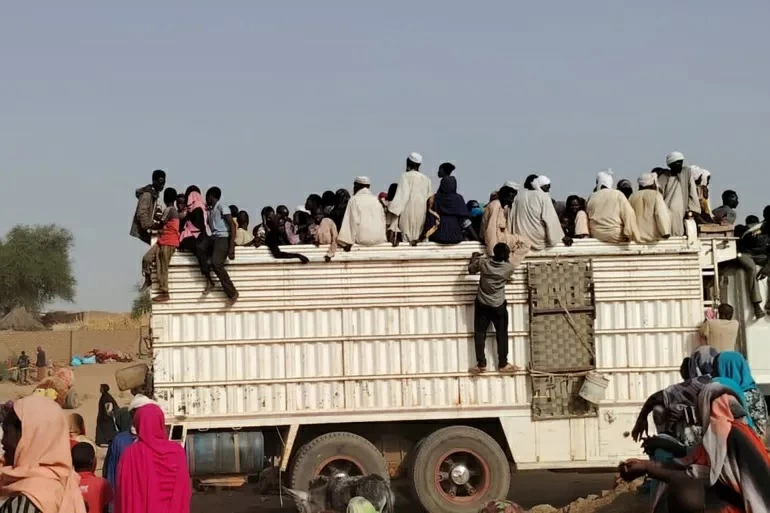
فيما انطلق مؤتمر برلين، اليوم (الأربعاء)، في العاصمة الألمانية، في محاولة للتخفيف من حدة الأزمة، وتعزيز الدعم الإنساني للمدنيين منذ ثلاثة أعوام، يغرق السودان في حرب دامية حصدت أرواح أكثر من 150 ألف شخص، ويواجه نحو 25 مليون شخص خطر المجاعة.
هنا تكمن المأساة الحقيقية!
ورغم فداحة المأساة، فإنها لا تحظى بالاهتمام الكافي، بل دخلت في طي النسيان والتجاهل فيما تستأثر أزمات أخرى باهتمام المجتمع الدولي.
وتحت عنوان «السودان لا يكاد يعني شيئاً لهذا العالم»، اعتبرت صحيفة «زود دويتشه» الألمانية، أن هذا المؤتمر الدولي يبعث بعض الأمل، وتساءلت عما إذا كان المجتمع الدولي سيجد فيه الإرادة والقوة الكافيتين كبحاً لجماح الحرب، ثم أجابت: «لا هذا لن يحدث».
وتحدثت الصحيفة عن مجازر الفاشر، ورغم أنها كانت متوقعة لم تبذل أي جهة دولية أي جهود لمنعها رغم أنها قد ترتقي إلى جرائم الإبادة الجماعية،
وأضافت أن القتال مستمر ومعه اقتصاد الحرب الذي تستفيد منه الأطراف المتنازعة في وقت يغرق فيه السودان أكثر فأكثر في المعاناة، وهنا تكمن المأساة الحقيقية التي لن يتمكن مؤتمر برلين من حلها، وفق قولها.
ماذا فعلنا لحماية المدنيين؟
وسلّطت صحيفة «دي تسايت» الأسبوعية الضوء على مأساة السودان ومؤتمر برلين في مقال بعنوان «خيانة سكان الفاشر». واتهمت الولايات المتحدة وبريطانيا بأنهما تجاهلتا عمداً تحذيرات من احتمال وقوع إبادة جماعية في الفاشر، وتساءلت: «ماذا فعلنا لحماية المدنيين في السودان خصوصاً في مدينة الفاشر؟».
وذكرت أنه مع سيطرة قوات الدعم السريع في أكتوبر الماضي على مدينة الفاشر وقع ما حذر منه السكان وأجهزة المخابرات، وهو وقوع مجزرة قد ترتقي إلى جريمة الإبادة الجماعية، إذ قتل ما يصل إلى 10 آلاف شخص خلال 72 ساعة ولا يزال 40 ألفاً في عداد المفقودين حسب المقال.
فرص تحقيق تقدم ضعيفة
ونقلت الصحيفة عن تقارير قولها إن الولايات المتحدة وبريطانيا لم تتجاهلا التحذيرات فحسب، بل لم تتدخلا رغم المعرفة بما قد يحدث، علماً أن اتفاقية منع الإبادة الجماعية الموقعة عام 1948 تلزم الدول بالتحرك لمنع الإبادة، وأن مبدأ «مسؤولية الحماية» الصادر عن الأمم المتحدة عام 2005 يسمح بالتدخل لحماية المدنيين عند فشل الدولة المسؤولة في توفير الحماية اللازمة، لكن في حالة الفاشر لم يتم تفعيل هذه الالتزامات.
وكشفت أنه تم تحذير المسؤولين في الخارجية الأمريكية من احتمال وقوع جرائم حرب، لكنها قللت من أهمية هذه التحذيرات.
ورغم الجهود الدبلوماسية الجديدة، ترى الصحيفة، أن فرص إحداث تقدم تبدو ضعيفة في وقت تزدحم فيه أجندة السياسة الدولية بالحروب.
واختتمت بتأكيد أنه حتى لو تجاهل العالم كله هذه الكارثة فإنها موجودة، وما يطلبه ضحاياها هو على الأقل أن ننظر إليهم؛ لأن النظر إلى الضحايا هو الحد الأدنى من الواجب الإنساني.
While the Berlin Conference kicked off today (Wednesday) in the German capital, in an attempt to alleviate the severity of the crisis and enhance humanitarian support for civilians for the past three years, Sudan is sinking into a bloody war that has claimed the lives of more than 150,000 people, and around 25 million people are facing the risk of famine.
Here lies the real tragedy!
Despite the magnitude of the tragedy, it does not receive adequate attention and has fallen into oblivion and neglect while other crises capture the interest of the international community.
Under the title "Sudan hardly means anything to this world," the German newspaper "Süddeutsche" considered that this international conference brings some hope, questioning whether the international community will find the will and strength to curb the war, and then answered: "No, this will not happen."
The newspaper spoke about the massacres in El Fasher, and although they were anticipated, no international entity made any efforts to prevent them, even though they could amount to crimes of genocide.
It added that fighting continues along with the war economy that the conflicting parties benefit from at a time when Sudan is sinking deeper into suffering, and here lies the real tragedy that the Berlin Conference will not be able to solve, according to its statement.
What have we done to protect civilians?
The weekly newspaper "Die Zeit" highlighted the tragedy of Sudan and the Berlin Conference in an article titled "Betrayal of the People of El Fasher." It accused the United States and Britain of deliberately ignoring warnings of a potential genocide in El Fasher, asking: "What have we done to protect civilians in Sudan, especially in the city of El Fasher?"
It mentioned that with the Rapid Support Forces taking control of El Fasher last October, what residents and intelligence agencies warned about occurred, which is a massacre that could amount to genocide, as up to 10,000 people were killed within 72 hours and 40,000 are still missing according to the article.
Weak chances of making progress
The newspaper quoted reports stating that the United States and Britain not only ignored the warnings but also did not intervene despite being aware of what might happen, noting that the 1948 Genocide Convention obliges states to act to prevent genocide, and that the principle of "Responsibility to Protect" issued by the United Nations in 2005 allows intervention to protect civilians when the responsible state fails to provide necessary protection, but in the case of El Fasher, these obligations were not activated.
It revealed that officials in the U.S. State Department were warned of the possibility of war crimes, but they downplayed the importance of these warnings.
Despite new diplomatic efforts, the newspaper sees that the chances of making progress appear weak at a time when the international political agenda is crowded with wars.
It concluded by affirming that even if the whole world ignores this catastrophe, it exists, and what its victims ask for is at least for us to look at them; because looking at the victims is the minimum of humanitarian duty.