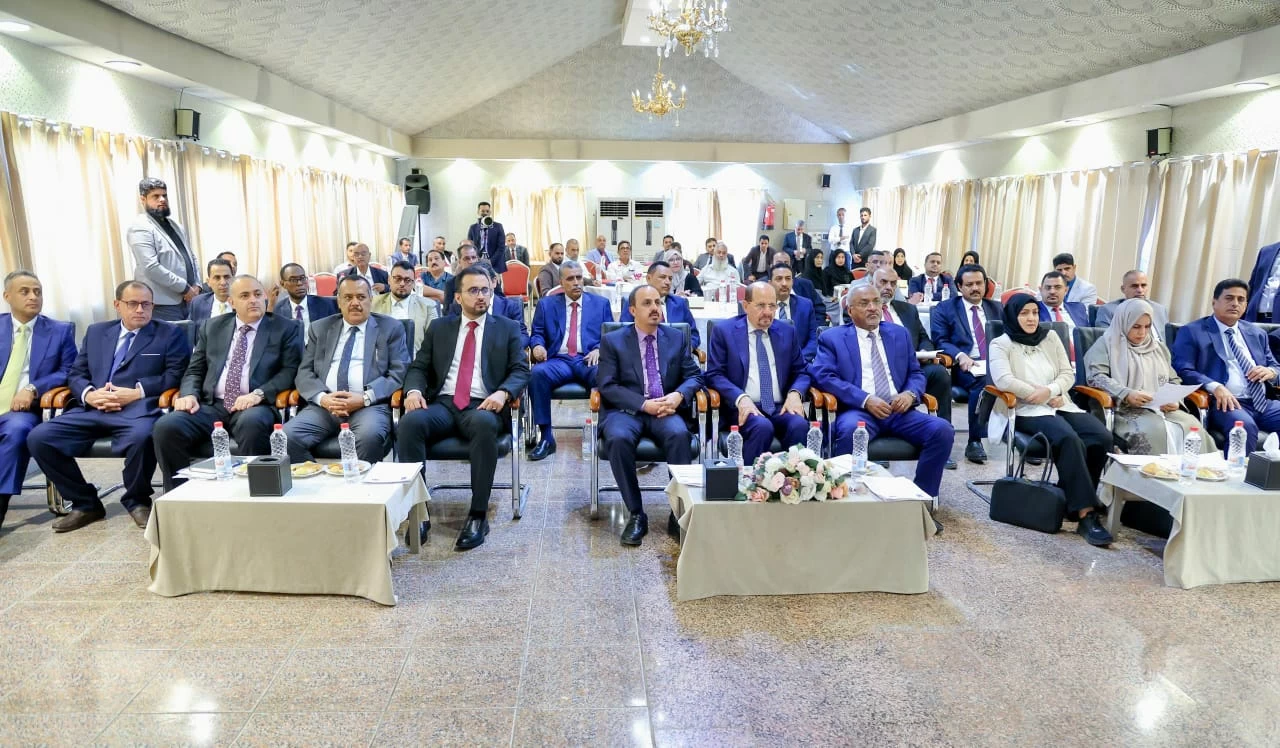
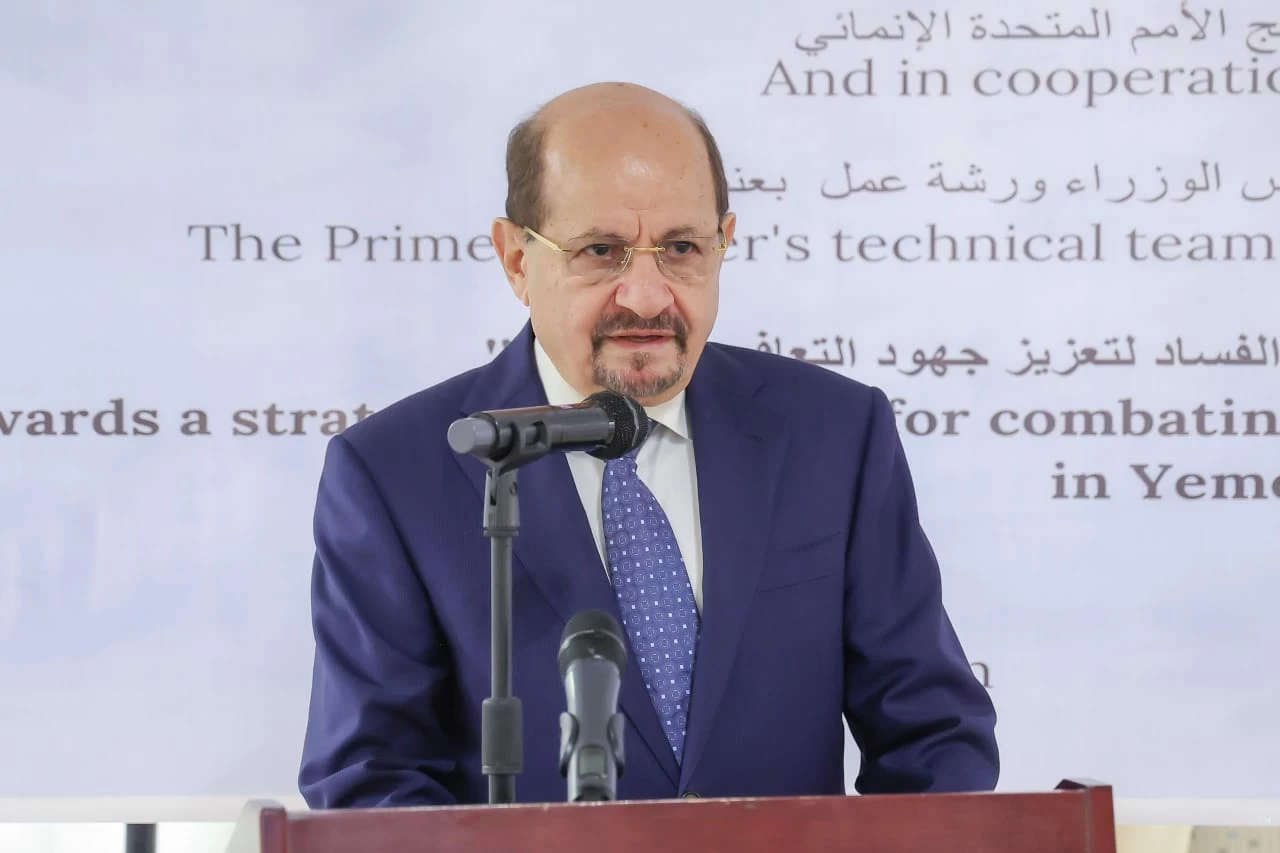
أكد رئيس مجلس الوزراء وزير الخارجية اليمني الدكتور شائع الزنداني على إصرار حكومته على مكافحة الفساد والتصدي لمظاهره وأشكاله كافة ضمن نهج وطني ومؤسسي متكامل وشامل بما يعزز ثقة المواطنين بالدولة في المقام الأول والشركاء الدوليين، مشيراً إلى أن حكومته منذ البداية وضعت ذلك في صدارة أولوياتها ضمن برنامج عملها والمضي في تنفيذ الإصلاحات الحكومية الشاملة وتعزيز مبادئ الشفافية والمساءلة وتفعيل آليات حماية المال العام وتحقيق النتائج الملموسة والمستدامة.
تعزيز التنسيق
وخلال انعقاد ورشة العمل الوطنية في العاصمة المؤقتة التي حملت عنوان (نحو إطار إستراتيجي لمكافحة الفساد)التي اختتمت فعاليتها أمس (الإثنين)، ونظمها الفريق الفني لرئيس الوزراء بالتعاون مع برنامج الأمم المتحدة الإنمائي، شدد الزنداني على ضرورة توحيد الجهود كافة وتعزيز التنسيق بين مختلف مؤسسات الدولة والسلطات القضائية والرقابية والأجهزة الأمنية في العمل معاً لمكافحة الفساد باعتبارها مسؤولية مشتركة ومدخلا رئيسياً لتعزيز التعافي الاقتصادي والإصلاح المؤسسي وترسيخ الاستقرار وتطوير ورفع كفاءة مؤسسات الدولة.
وأوضح أن الحكومة تواصل العمل من أجل تطوير الأليات التنظيمية والتشريعية الداعمة للنزاهة ومكافحة الفساد.
النتائج المتوقعة
وشدد رئيس الوزراء على ضرورة أن تخرج الورشة بالنتائج المتوخاة من انعقادها والتوصيات العملية التي تسهم في تطوير منظومة النزاهة وتعزيز مسار الإصلاحات الحكومية وترسيخ مبادئ الحكم الرشيد.
وكانت الورشة التي انعقدت في العاصمة المؤقتة عدن بمشاركة واسعة ورسمية لمؤسسات الدولة والخبراء الدوليين المختصين في مجالات التنمية ومكافحة الفساد قد وقفت أمام الجهود الرسمية للحكومة في هذا الشأن وفي مقدمتها قرار رئيس مجلس الوزراءالذي بموجبه تم تشكيل لجنة التنسيق والمتابعة بين مختلف الجهات المعنية بمكافحة الفساد وبما تمثله من أهمية كبيرة في متابعة قضايا الفساد وتنسيق الجهود بين الجهات القضائية والرقابية والأمنية بما يمكن من التكامل في الأداء وتسهيل تبادل المعلومات واليات التواصل المباشرة ويعزز فعالية العمل المؤسسي.
The Prime Minister and Minister of Foreign Affairs of Yemen, Dr. Sha'if Al-Zandani, emphasized his government's determination to combat corruption and address all its manifestations and forms within a comprehensive and integrated national and institutional approach that enhances citizens' trust in the state above all and in international partners. He pointed out that his government has prioritized this since the beginning as part of its work program, moving forward with comprehensive governmental reforms, enhancing principles of transparency and accountability, activating mechanisms to protect public funds, and achieving tangible and sustainable results.
Enhancing Coordination
During the national workshop held in the temporary capital, titled (Towards a Strategic Framework for Combating Corruption), which concluded its activities yesterday (Monday), organized by the technical team of the Prime Minister in cooperation with the United Nations Development Program, Al-Zandani stressed the necessity of unifying all efforts and enhancing coordination among various state institutions, judicial and oversight authorities, and security agencies to work together to combat corruption as a shared responsibility and a key entry point to enhance economic recovery, institutional reform, establish stability, and develop and raise the efficiency of state institutions.
He clarified that the government continues to work on developing the regulatory and legislative mechanisms that support integrity and combat corruption.
Expected Results
The Prime Minister emphasized the need for the workshop to yield the expected results from its convening and practical recommendations that contribute to developing the integrity system, enhancing the path of governmental reforms, and establishing principles of good governance.
The workshop, which was held in the temporary capital Aden with wide and official participation from state institutions and international experts specialized in development and anti-corruption fields, addressed the government's official efforts in this regard, foremost among them the decision of the Prime Minister to form a coordination and follow-up committee among various entities concerned with combating corruption, which represents significant importance in monitoring corruption cases and coordinating efforts among judicial, oversight, and security entities, enabling integration in performance and facilitating the exchange of information and direct communication mechanisms, thus enhancing the effectiveness of institutional work.