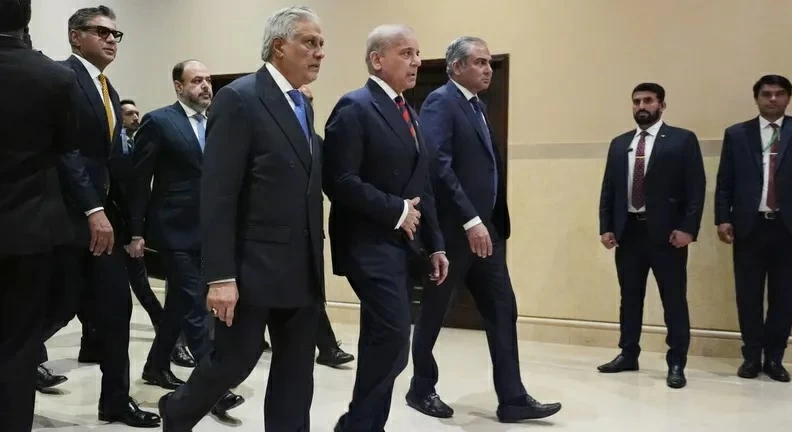
في الوقت الذي أشارت فيه التقارير إلى فشل مفاوضات إسلام آباد، أفصحت مصادر باكستانية لـ«عكاظ» أن المفاوضات بين الأمريكيين والإيرانيين جرت في أجواء إيجابية وتمت جدولتها على مراحل، وتركزت في الأيام الماضية على 3 مسارات تفاوضية من ضمنها بناء إجراءات الثقة المفقودة بين الطرفين، موضحة أن مسار بناء إجراءات الثقة كان الأكثر اهتمامًا، كونه يعكس فجوة تراكمت منذ عقود بين الولايات المتحدة وإيران. وذكرت المصادر أن الخلاف لم يكن تكتيكيًا فقط، بل بنيوي يتعلق برؤية كل طرف لدوره في النظام الدولي والإقليمي، حيث حرصت إسلام آباد على تثبيت بناء الثقة قدر الإمكان على ضوء الاختلافات الجذرية في رؤى البلدين حول عدد من الملفات الشائكة.
وأضافت أن إسلام آباد لعبت دور «الضامن»، عبر إجراءات تدريجية مثل خفض التصعيد الإعلامي والعسكري وترتيبات غير معلنة لتبادل الرسائل أو التفاهمات الأمنية لاحتمالات العودة إلى صيغ تفاوض غير مباشرة شبيهة بما جرى سابقًا، لكن نجاح هذا المسار ظل محدودًا كونه لم يُترجم إلى التزامات ملموسة، لأن انعدام الثقة هنا مؤسس على تجارب سابقة فاشلة.
فيما قالت مصادر مطلعة بالخارجية الباكستانية إن المفاوضات مع الجانب الأمريكي في إسلام آباد أسفرت عن اتفاق حول عدد من النقاط، إلا أن تباين وجهات النظر حول قضيتين مهمتين حال دون التوصل إلى اتفاق شامل، معتبرة أنه من الطبيعي عدم توقع الوصول إلى اتفاق نهائي في جلسة واحدة فقط أو حتى عدة جلسات كون التباينات واسعة، مؤكدةً في الوقت ذاته استمرار الاتصالات والمشاورات بين إيران وباكستان و«الأصدقاء» في المنطقة.
وأبانت المصادر القريبة من محيط المباحثات أن الوفدين طلبا وقتًا إضافيًا لمزيد من المباحثات، موضحة أن هناك خلافات حادة حول فتح مضيق هرمز، حيث يشدد الطرف الإيراني على أن فتح المضيق من عدمه هو شأن إيراني بحت، الأمر الذي ترفضه واشنطن جملة وتفصيلًا.
وأشارت المصادر إلى أن مسار مضيق هرمز كان المسار (الأكثر حساسية) كونه يعد جوهر الصراع الحقيقي، وليس مجرد ملف تفاوضي عادي، موضحة أن الخلافات شملت أيضًا طلب إيران التحكم بمضيق هرمز ورفضها التخلي عن مخزونها من اليورانيوم المخصب.
ووفقًا للمصادر، كانت هناك محاولة باكستانية لفصل الملفات (ثقة – أمن – اقتصاد) لتسهيل التقدم الجزئي لكن يبقى الملف الاستراتيجي (المضيق) عالقًا، مما يمنع الوصول إلى اتفاق شامل.
ويبقى السؤال: هل فشلت مفاوضات إسلام آباد؟
من المبكر توصيف ما جرى على أنه «فشل تام»، لكنه بالتأكيد لم يرتقِ بعد إلى مستوى «الاختراق الاستراتيجي». وما تحقق أقرب إلى تفاهمات تكتيكية مؤقتة، تهدف إلى إدارة التوتر وليس إنهاءه، كون المباحثات نجحت في فتح قنوات تواصل، وتخفيف حدة التصعيد، وربما إرساء إجراءات محدودة لبناء الثقة.
ولم تُحسم القضايا الجوهرية مثل طبيعة الدور الإقليمي لإيران، وملف العقوبات والضمانات الأمريكية، والترتيبات الأمنية طويلة الأمد.
وهذه هي القضايا التي تُعرّف أي تسوية استراتيجية حقيقية، وليس مجرد تهدئة ظرفية.
وقالت المصادر الأمريكية إن المفاوضات سارت وفق منطق «إدارة الأزمة» لا «حل الأزمة»، أي أن الطرفين يحاولان كسب الوقت، دون تقديم تنازلات كبرى.
وفي المحصلة فإن مفاوضات إسلام آباد لم تفشل، لكنها أيضًا لم تنجح بالمعنى العميق، وتعكس نجاحًا تكتيكيًا محدودًا ضمن مسار زمني طويل ومعقد، لا يزال مفتوحًا على احتمالات متعددة عبر البناء التدريجي نحو تفاهم أوسع أو العودة إلى التصعيد أكثر إذا تعثرت خطوات الثقة.
While reports indicated the failure of the Islamabad negotiations, Pakistani sources revealed to "Okaz" that the negotiations between the Americans and the Iranians took place in a positive atmosphere and were scheduled in phases. In recent days, they focused on three negotiation tracks, including building the lost confidence measures between the two parties. It was noted that the confidence-building track was of the most interest, as it reflects a gap that has accumulated over decades between the United States and Iran. The sources mentioned that the disagreement was not only tactical but also structural, relating to each party's vision of its role in the international and regional system. Islamabad was keen to establish confidence as much as possible in light of the fundamental differences in the two countries' visions regarding several contentious issues.
It was added that Islamabad played the role of a "guarantor" through gradual measures such as reducing media and military escalation and unannounced arrangements for exchanging messages or security understandings regarding the possibilities of returning to indirect negotiation formats similar to those that occurred previously. However, the success of this track remained limited as it did not translate into tangible commitments, due to the lack of trust based on previous failed experiences.
Meanwhile, informed sources in the Pakistani Foreign Ministry stated that the negotiations with the American side in Islamabad resulted in an agreement on several points. However, differing viewpoints on two important issues prevented reaching a comprehensive agreement, considering it natural not to expect a final agreement in just one session or even several sessions, given the wide disparities. They emphasized that communications and consultations between Iran, Pakistan, and "friends" in the region continue.
Sources close to the negotiation environment indicated that both delegations requested additional time for further discussions, clarifying that there are sharp disagreements regarding the opening of the Strait of Hormuz, with the Iranian side insisting that the decision to open the strait or not is purely an Iranian matter, which Washington categorically rejects.
The sources pointed out that the Strait of Hormuz was the (most sensitive) track as it represents the essence of the real conflict, not just an ordinary negotiation file. They explained that the disagreements also included Iran's request to control the Strait of Hormuz and its refusal to abandon its stockpile of enriched uranium.
According to the sources, there was a Pakistani attempt to separate the files (trust - security - economy) to facilitate partial progress, but the strategic file (the strait) remains stuck, preventing a comprehensive agreement.
The question remains: Did the Islamabad negotiations fail?
It is too early to characterize what happened as a "complete failure," but it certainly has not yet risen to the level of a "strategic breakthrough." What has been achieved is closer to temporary tactical understandings aimed at managing tension rather than ending it, as the negotiations succeeded in opening communication channels, reducing the intensity of escalation, and perhaps establishing limited measures for building trust.
Core issues such as the nature of Iran's regional role, the sanctions file, American guarantees, and long-term security arrangements have not been resolved.
These are the issues that define any real strategic settlement, not just a temporary calming.
American sources stated that the negotiations proceeded according to the logic of "crisis management" rather than "crisis resolution," meaning that both parties are trying to buy time without making major concessions.
In conclusion, the Islamabad negotiations did not fail, but they also did not succeed in the deeper sense, reflecting a limited tactical success within a long and complex timeline that remains open to multiple possibilities through gradual building towards a broader understanding or a return to further escalation if trust-building steps falter.