يُعد الدكتور وليد جميل قطّان أحد أبرز الأسماء التي صنعت ملامح الإدارة الإعلامية الحديثة في المؤسسات الصحفية السعودية، إذ جمع بين الرؤية الإدارية الصلبة والخبرة التسويقية العميقة، ليقدم نموذجاً متكاملاً للإداري القادر على تحويل التحديات إلى فرص، وبناء منظومات عمل مستدامة داخل بيئة إعلامية متغيرة.
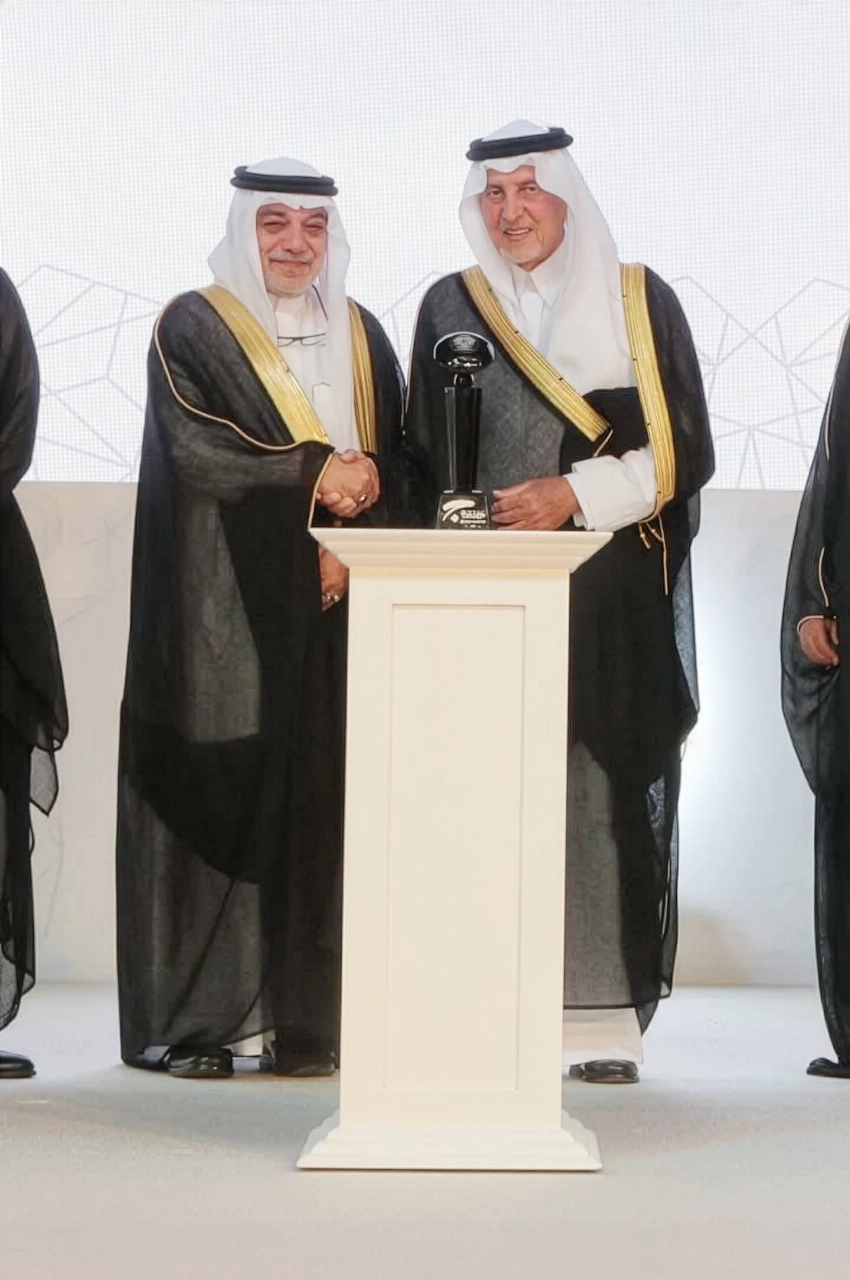
الأمير خالد الفيصل مكرماً «عكاظ» في إحدى المناسبات.
وعلى امتداد مسيرته المهنية، التي ارتبطت بشكل وثيق بمؤسسة عكاظ للصحافة والنشر، برز قطّان بوصفه أحد العقول التي قادت التحول من الإدارة التقليدية إلى العمل المؤسسي القائم على تنمية الموارد وتعظيم الإيرادات، دون الإخلال بالهوية أو الرسالة الإعلامية.
من جدة إلى التأسيس الأكاديمي
وُلد قطّان في جدة عام 1955، وتلقى تعليمه الأولي فيها، قبل أن يلتحق بجامعة القاهرة، حيث حصل على درجة البكالوريوس في الاقتصاد والعلوم السياسية عام 1978، وهو التخصص الذي شكّل قاعدة معرفية ساعدته لاحقاً في فهم التداخل بين الاقتصاد والإعلام.
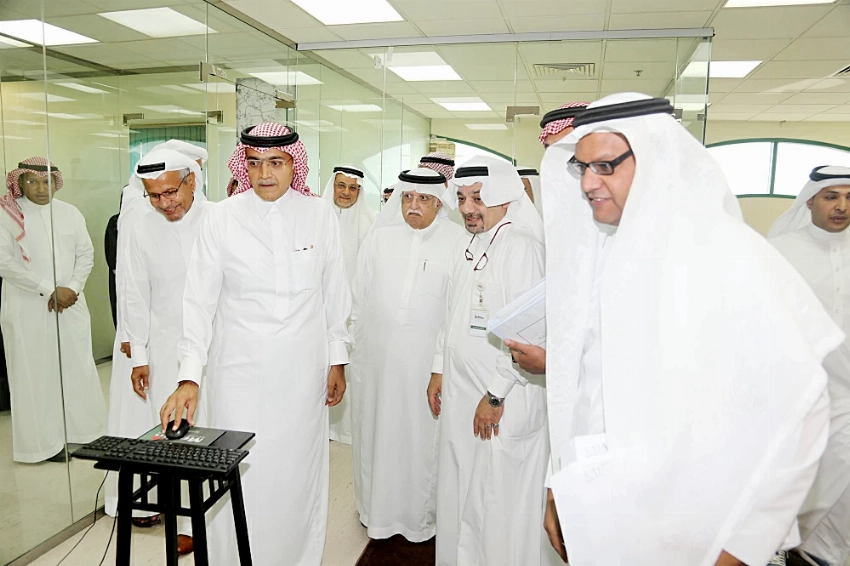
قطان إلى جانب رئيس مجلس الإدارة ورئيس التحرير خلال تدشين موقع عكاظ الإلكتروني 2016.
«عكاظ».. مسيرة صعود وصناعة قرار
التحق قطّان بمؤسسة عكاظ عام 1980، ليبدأ رحلة مهنية اتسمت بالتدرج والتمكن، حيث تنقل بين عدد من المناصب الإدارية الحيوية، بدءاً من الشؤون الإدارية، مروراً بإدارة التوزيع، وصولاً إلى الإشراف على العلاقات العامة والإيرادات والتسويق.
وفي محطة مفصلية، أسّس جهاز التسويق بالمؤسسة، في خطوة عززت قدرتها على تنويع مصادر الدخل، ومكّنتها من التكيف مع التحولات المتسارعة في سوق الإعلام.
وتدرج لاحقاً إلى مساعد المدير العام، ثم نائب للمدير العام لتنمية الموارد المالية، قبل أن يتولى منصب نائب المدير العام، ومن ثم مدير عام المؤسسة في 2002، حيث قاد مرحلة مهمة من التطوير المؤسسي.
إدارة التحول.. بين التوسع والتحدي
ارتبطت فترة قيادته لـ«عكاظ» بنقلة نوعية على مستوى الأداء المؤسسي، سواء في التوزيع أو التسويق أو إدارة الموارد، ما أسهم في تعزيز حضور المؤسسة في سوق تنافسية شديدة التغير.
كما عاصر خلال مسيرته عدداً من القيادات التحريرية، من بينهم الدكتور إياد مدني، الدكتور هاشم عبده هاشم، وصولاً إلى رئيس التحرير الحالي جميل الذيابي، في تجربة عكست تكامل الأدوار بين الإدارة والتحرير.
وبرز قطّان كأحد الداعمين لفكرة أن بقاء المؤسسات الصحفية مرهون بقدرتها على تطوير نماذجها الاقتصادية، وهو ما عمل عليه من خلال إعادة هيكلة الإيرادات وتوسيع قاعدة التسويق.
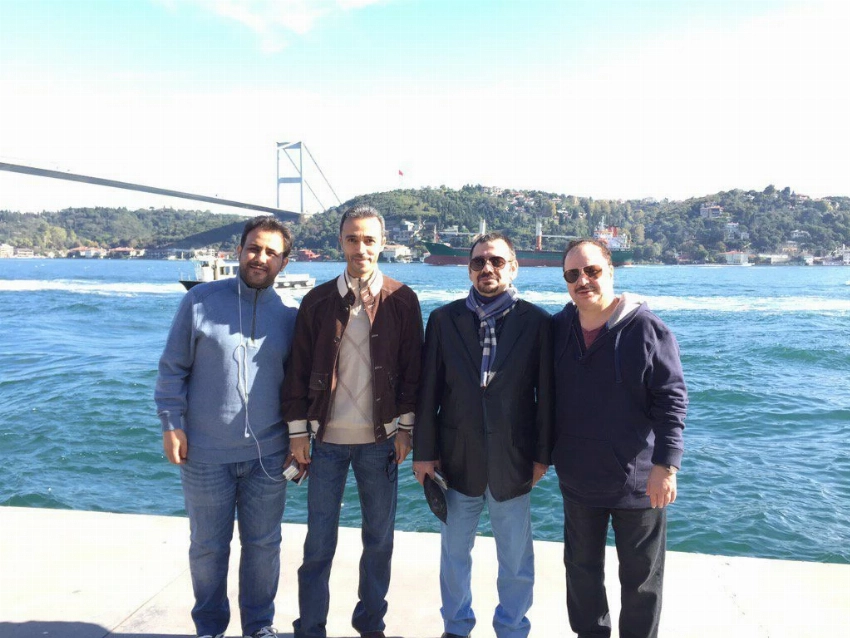
وليد قطان مع عدد من الزملاء في رحلة عمل في إسطنبول.
حضور دولي ومشاركات تخصصية
مثّل قطّان «عكاظ» في العديد من المؤتمرات والندوات المحلية والدولية، وشارك في لجان متخصصة تُعنى بتطوير صناعة الإعلام والإعلان وتوزيع الصحف.
كما شغل عضويات متعددة، من أبرزها:
• الهيئة الدولية للإعلان. • اللجنة الوطنية للإعلان. • لجنة الدعاية والإعلان بالغرفة التجارية الصناعية بجدة (ثم نائب رئيسها). • مجلس إدارة جمعية الإعلان لدول مجلس التعاون الخليجي. وكان عضواً في الجمعية العمومية لمؤسسة عكاظ، مسهماً في رسم توجهاتها المؤسسية.
خبرة ممتدة بين الإعلام والاستثمار
إلى جانب عمله الإعلامي، يشغل قطّان منصب رئيس مجلس إدارة «قطّان ميديا» في المملكة، كما يُعد خبيراً معتمداً لدى «الاتحاد العام للخبراء العرب» منذ 2018.
وحصل على درجة الماجستير في إدارة الجودة عام 2007، من الأكاديمية العربية للعلوم والتكنولوجيا والنقل البحري، في مسار أكاديمي يعكس اهتمامه بتطوير الأداء المؤسسي وفق معايير الجودة، ثم حصل على درجة الدكتوراه في جودة المنشآت الصحفية عام 2009.
كما يشغل عضويات في جهات دولية، من بينها اليونسكو، إلى جانب مشاركاته في عدد من المجالس والهيئات الإعلامية والاقتصادية.
إرث إداري.. مدرسة في العمل المؤسسي
تمثل تجربة وليد قطّان نموذجاً للإداري الذي صعد من داخل المؤسسة، وتدرج في مفاصلها، حتى بات جزءاً من هويتها المؤسسية.
وأسهمت رؤيته في ترسيخ مفهوم الإدارة الإعلامية المتكاملة، التي توازن بين المحتوى والاستدامة المالية، وتستجيب لتحولات السوق دون التفريط في الثوابت المهنية.
وبهذا، تبقى مسيرته واحدة من أبرز التجارب في الإدارة الصحفية السعودية، بما تحمله من دروس في القيادة، والتطوير، والقدرة على مواكبة التغيير.
Dr. Walid Jamil Qattan is considered one of the most prominent names that shaped the features of modern media management in Saudi press institutions, as he combined solid administrative vision with deep marketing experience, presenting a comprehensive model of an administrator capable of turning challenges into opportunities and building sustainable work systems within a changing media environment.
الأمير خالد الفيصل مكرماً «عكاظ» في إحدى المناسبات.
Throughout his professional career, which has been closely linked to Okaz Press and Publishing, Qattan emerged as one of the minds that led the transition from traditional management to institutional work based on resource development and maximizing revenues, without compromising the identity or media message.
From Jeddah to Academic Foundation
Qattan was born in Jeddah in 1955 and received his primary education there before joining Cairo University, where he obtained a bachelor's degree in economics and political science in 1978, a specialization that later provided him with a knowledge base that helped him understand the interplay between economics and media.
قطان إلى جانب رئيس مجلس الإدارة ورئيس التحرير خلال تدشين موقع عكاظ الإلكتروني 2016.
“Okaz”.. A Journey of Ascendancy and Decision-Making
Qattan joined Okaz in 1980, beginning a professional journey characterized by gradual advancement and competence, where he moved through several vital administrative positions, starting from administrative affairs, passing through distribution management, and reaching the supervision of public relations, revenues, and marketing.
At a pivotal moment, he established the marketing department within the institution, a step that enhanced its ability to diversify income sources and enabled it to adapt to the rapid transformations in the media market.
He later advanced to assistant general manager, then deputy general manager for financial resource development, before taking on the position of deputy general manager, and then general manager of the institution in 2002, where he led an important phase of institutional development.
Managing Transformation.. Between Expansion and Challenge
His leadership period at “Okaz” was marked by a qualitative leap in institutional performance, whether in distribution, marketing, or resource management, which contributed to enhancing the institution's presence in a highly competitive and rapidly changing market.
He also experienced a number of editorial leaderships during his career, including Dr. Iyad Madani, Dr. Hashim Abdu Hashim, up to the current editor-in-chief, Jamil Al-Dhiabi, in an experience that reflected the integration of roles between management and editorial.
Qattan emerged as one of the supporters of the idea that the survival of press institutions depends on their ability to develop their economic models, which he worked on through restructuring revenues and expanding the marketing base.
وليد قطان مع عدد من الزملاء في رحلة عمل في إسطنبول.
International Presence and Specialized Participation
Qattan represented “Okaz” at many local and international conferences and seminars and participated in specialized committees concerned with developing the media and advertising industry and newspaper distribution.
He also held multiple memberships, most notably:
• The International Advertising Association. • The National Advertising Committee. • The Advertising and Promotion Committee of the Jeddah Chamber of Commerce and Industry (then Vice President). • The Board of Directors of the Advertising Association for the Gulf Cooperation Council countries. He was also a member of the General Assembly of Okaz, contributing to shaping its institutional directions.
Extensive Experience Between Media and Investment
In addition to his media work, Qattan serves as the chairman of the board of directors of “Qattan Media” in the Kingdom, and he has been a certified expert with the “Arab Experts Union” since 2018.
He obtained a master's degree in quality management in 2007 from the Arab Academy for Science, Technology, and Maritime Transport, in an academic path that reflects his interest in developing institutional performance according to quality standards, and then obtained a PhD in the quality of press institutions in 2009.
He also holds memberships in international organizations, including UNESCO, along with his participation in several media and economic councils and bodies.
Administrative Legacy.. A School in Institutional Work
Walid Qattan's experience represents a model of an administrator who rose from within the institution, progressing through its joints, until he became part of its institutional identity.
His vision contributed to establishing the concept of integrated media management, which balances content and financial sustainability and responds to market transformations without compromising professional constants.
Thus, his career remains one of the most prominent experiences in Saudi press management, carrying lessons in leadership, development, and the ability to keep pace with change.