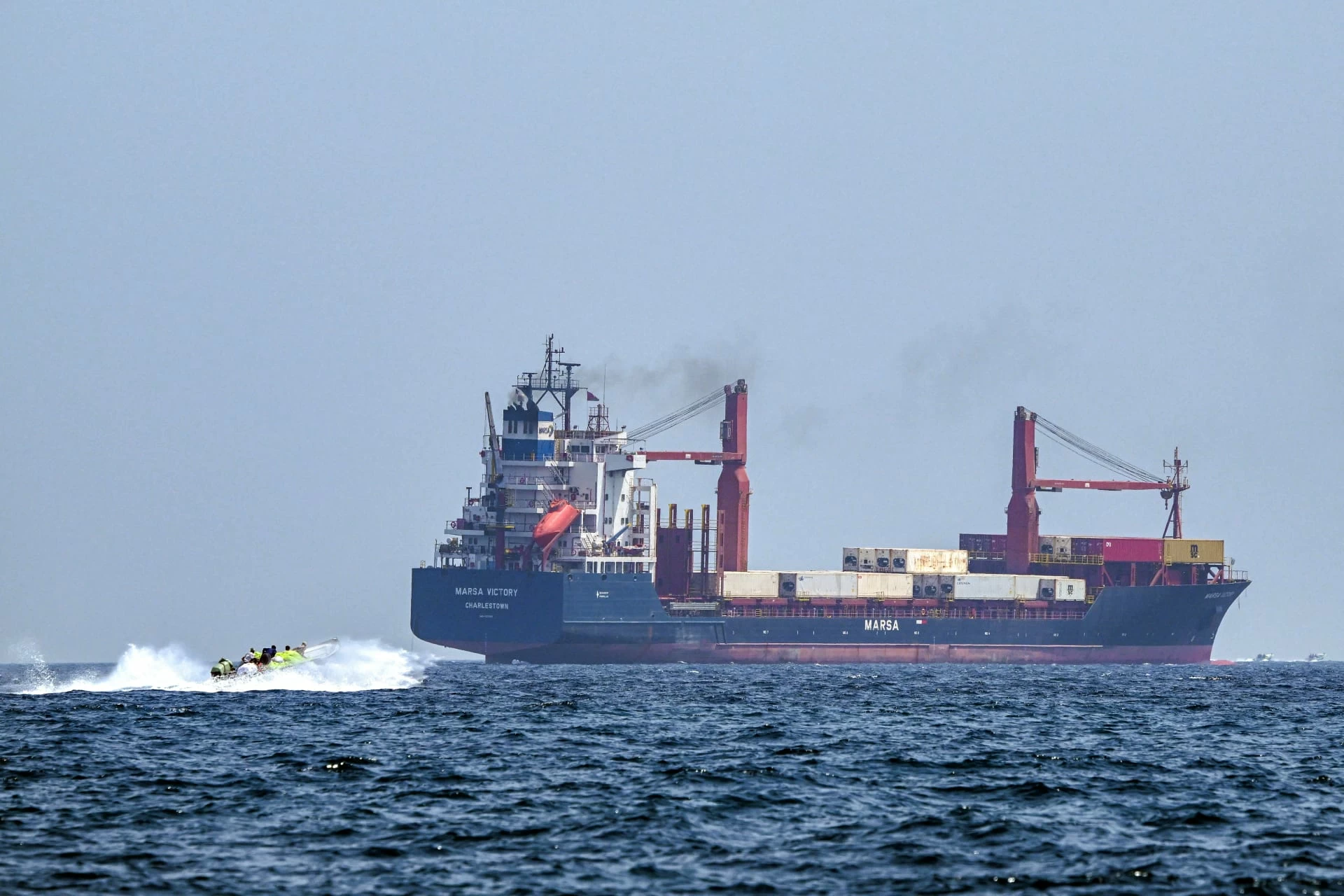
في تمام الساعة الثانية عصراً بتوقيت غرينتش (الخامسة مساء بتوقيت السعودية) اليوم (الإثنين)، دخلت المواجهة الأمريكية–الإيرانية منعطفاً حاسماً، مع بدء تنفيذ إجراءات حصار بحري تستهدف موانئ إيران، في خطوة تعكس انتقال الصراع من التصريحات إلى التطبيق الميداني، وسط تحذيرات من تداعيات واسعة على أمن الملاحة الدولية في مضيق هرمز.
إعلان التنفيذ.. «الحصار بدأ الآن»
أفادت تقارير إعلامية متداولة بأن الولايات المتحدة بدأت فعلياً فرض حصار بحري على إيران، في تطور يُعد الأخطر منذ تصاعد التوتر بين الطرفين، مع مؤشرات على تشديد القيود على حركة السفن المتجهة إلى الموانئ الإيرانية أو المغادرة منها.
قيود على الوصول للموانئ الإيرانية
في السياق ذاته، كشفت هيئة بحرية بريطانية عن تلقيها معلومات تفيد بفرض قيود على الوصول إلى الموانئ الإيرانية بدءاً من اليوم، ما يعزز فرضية وجود تنسيق دولي غير معلن لدعم الخطوة الأمريكية، ويزيد من عزلة طهران بحرياً.
هرمز تحت الضغط.. التهديد بالألغام
من جهته، حذّر رئيس العمليات في البحرية الأمريكية من أن تهديدات زرع الألغام في مضيق هرمز تمثل تحدياً غير متماثل، مؤكداً أن أي محاولة لإغلاق الممر الحيوي ستواجه بإجراءات معقدة، في ظل صعوبة البيئة العملياتية وحساسيتها.
قرار قيد البلورة.. والحصار خيار معقّد
وأشار مسؤولون عسكريون أمريكيون إلى أن القيادة المركزية تعمل على بلورة القرار النهائي بشأن حصار مضيق هرمز، مع الإقرار بأن تنفيذ الحصار البحري يظل خياراً إشكالياً بالغ الصعوبة، نظراً لتداخل المصالح الدولية وحجم المخاطر المرتبطة به.
مواقف متباينة.. ومفاوضات متعثرة
يتزامن هذا التصعيد مع استمرار تعثر المفاوضات بين واشنطن وطهران، وسط حديث عن محاولات باكستانية لاحتواء الأزمة، دون تحقيق اختراق ملموس حتى الآن، فيما تؤكد أطراف دولية أن وقف النار لا يزال قائماً بشكل هش.
تصعيد يهدد شريان الطاقة العالمية
يضع هذا التحرك مضيق هرمز، أحد أهم ممرات الطاقة في العالم، في قلب العاصفة، مع مخاوف من تأثيرات مباشرة على إمدادات النفط والأسواق العالمية، في وقت تتزايد فيه احتمالات الانزلاق إلى مواجهة أوسع تتجاوز حدود الاشتباك التقليدي.
At exactly 2 PM GMT (5 PM Saudi time) today (Monday), the American-Iranian confrontation took a decisive turn, with the implementation of maritime blockade measures targeting Iranian ports, in a move that reflects the transition of the conflict from statements to practical application, amid warnings of wide-ranging implications for the security of international navigation in the Strait of Hormuz.
Announcement of implementation.. "The blockade has begun now"
Reports indicate that the United States has officially begun to impose a maritime blockade on Iran, in a development considered the most dangerous since tensions escalated between the two sides, with signs of tightening restrictions on the movement of ships heading to or departing from Iranian ports.
Restrictions on access to Iranian ports
In this context, a British maritime authority revealed that it received information indicating that restrictions on access to Iranian ports would begin today, reinforcing the hypothesis of an undeclared international coordination to support the American step, and increasing Tehran's maritime isolation.
Hormuz under pressure.. the threat of mines
For his part, the head of operations in the U.S. Navy warned that the threats of laying mines in the Strait of Hormuz represent an asymmetric challenge, emphasizing that any attempt to close the vital corridor will face complex measures, given the operational environment's difficulty and sensitivity.
Decision in the making.. and the blockade is a complicated option
U.S. military officials indicated that the Central Command is working on finalizing the decision regarding the blockade of the Strait of Hormuz, acknowledging that implementing the maritime blockade remains an extremely challenging option due to the intertwining of international interests and the associated risks.
Divergent positions.. and stalled negotiations
This escalation coincides with the continued stalemate in negotiations between Washington and Tehran, amid discussions of Pakistani attempts to contain the crisis, without achieving any tangible breakthrough so far, while international parties confirm that the ceasefire remains in place in a fragile manner.
Escalation threatens the global energy artery
This move places the Strait of Hormuz, one of the world's most important energy corridors, at the center of the storm, with fears of direct impacts on oil supplies and global markets, at a time when the likelihood of slipping into a broader confrontation beyond the limits of traditional engagement is increasing.