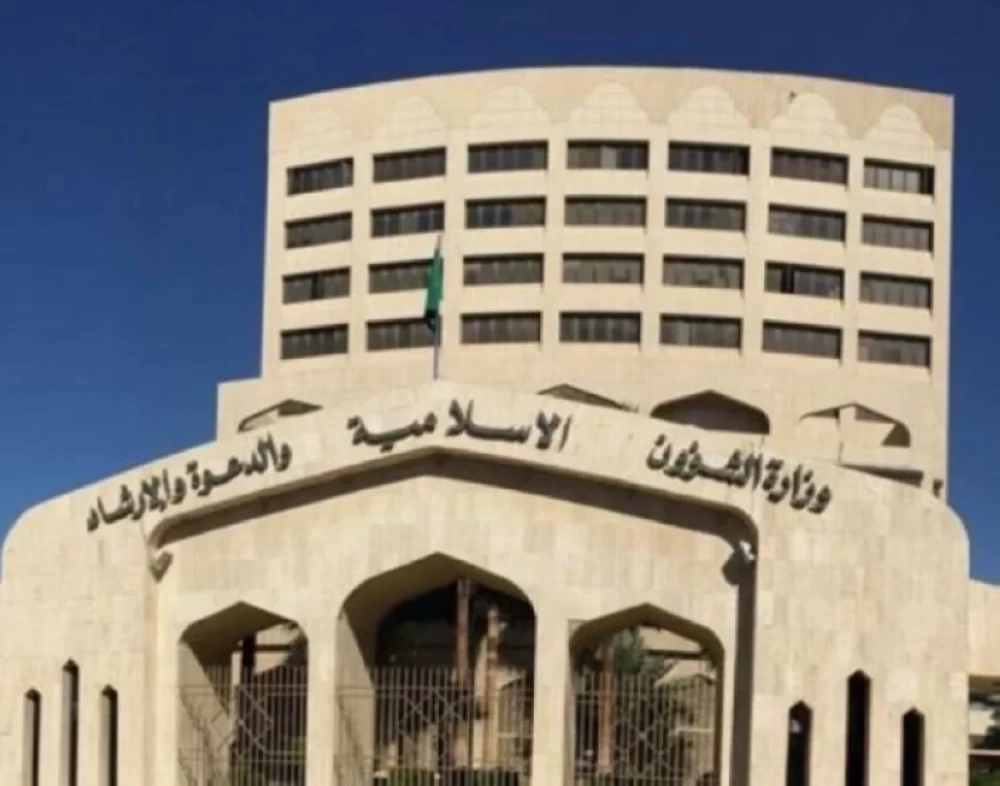
وجه وزير الشؤون الإسلامية والدعوة والإرشاد الشيخ الدكتور عبداللطيف بن عبدالعزيز آل الشيخ بالتأكيد على أئمة ومؤذني المساجد التي يصلى فيها على الجنائز بعدم التقدم على الإمام بالصلاة على الجنازة؛ وتنبيه المصلين بالحرص على اتباع السنة والصلاة مع الجماعة على الوجه المشروع. وشدد الوزير آل الشيخ على ضرورة تكليف حراس الأمن في المساجد لمنع التجاوزات المخالفة للسنّة.
وكانت وزارة الشؤون الإسلامية لاحظت على جوامع يصلى فيها على الجنائز، مبادرة أشخاص بالصلاة على الجنائز عقب تجهيزها، وعدم انتظارهم للصلاة عليها مع الإمام الراتب جماعة، وتقدم بعض أقارب الميّت للصلاة في وجود الإمام؛ مؤكدة أن في هذا الفعل محاذير، منها التشويش والإزعاج الحاصل من بعضهم، حد الشكوى من بعض ذوي الجنائز والقائمين على مغاسل الموتى، إضافة إلى إرباكهم القائمين على تغسيل الموتى وتكرار خروجهم من المساجد عقب الأذان بما في ذلك يوم الجمعة، بغرض اللحاق بجنائز في جوامع أخرى للصلاة عليها ظناً أنهم يضاعفون الأجور. وعدّت الوزارة كل ذلك من المخالفات المنهي عنها، والممنوعة نظاماً، كون من يتقدم بالصلاة على الموتى ليس له ولاية.
تتبع المساجد
ولفتت إلى أن اللجنة الدائمة للبحوث العلمية والإفتاء أصدرت فتوى تضمّنت «عدم جواز الصلاة على الجنازة حتى تغسل وتكفّن، وتكون في مكان طاهر وأن يحرص أن يصلي عليها مع الجماعة، خلف إمامهم في المسجد، إذ ليس من عمل السلف الصالح تتبع المساجد التي يصلى على الجنائز فيها والصلاة عليها قبل صلاة الإمام».
واستدلت الوزارة بحديث أنس بن مالك -رضي اللّٰه عنه- أنّ رسول اللّٰه -صلى اللّه عليه وسلم- قال: ثلاثة لا تقبل منهم صلاة ولا تصعد إلى السماء ولا تجاوز رؤوسهم، منهم رجل أمّ قوماً وهم له كارهون، ورجل صلى على جنازة ولم يؤمّر. وأضافت في تعميم مرسل للخطباء والأئمة وأهل العلم، كراهة صلاة الرجل على جنازة لم يأذن له الولي بالصلاة عليها؛ ولكون الولاية للإمام الراتب فلا يجوز التعدي على ولايته.
The Minister of Islamic Affairs, Call and Guidance, Sheikh Dr. Abdul Latif bin Abdul Aziz Al Sheikh, has instructed the imams and muezzins of mosques where funerals are prayed upon to not precede the imam in praying for the deceased; and to remind the worshippers to be keen on following the Sunnah and praying in congregation in the prescribed manner. Minister Al Sheikh emphasized the necessity of assigning security guards in mosques to prevent violations that contradict the Sunnah.
The Ministry of Islamic Affairs has observed in mosques where funerals are prayed upon, that individuals have taken the initiative to pray for the deceased immediately after preparing them, without waiting to pray with the regular imam in congregation, and that some relatives of the deceased have advanced to pray in the presence of the imam; stressing that this act has its dangers, including the confusion and disturbance caused by some of them, leading to complaints from some relatives of the deceased and those in charge of washing the dead, in addition to disrupting those responsible for washing the deceased and their repeated exits from mosques after the call to prayer, including on Fridays, with the intention of catching funerals in other mosques to pray for them, thinking that they are multiplying their rewards. The ministry considered all of this as violations that are prohibited by law, as those who advance to pray for the deceased do not have the authority to do so.
Following the Mosques
It pointed out that the Permanent Committee for Scientific Research and Ifta issued a fatwa stating that "it is not permissible to pray for the deceased until they are washed and shrouded, and are in a pure place, and one should be keen to pray for them with the congregation, behind their imam in the mosque, as it is not the practice of the righteous predecessors to follow the mosques where funerals are prayed upon and to pray for them before the imam's prayer."
The ministry cited the hadith of Anas bin Malik - may Allah be pleased with him - that the Messenger of Allah - peace be upon him - said: "Three people's prayers are not accepted, nor do they ascend to the heavens, nor do they pass over their heads, among them is a man who leads a people while they dislike him, and a man who prays for a deceased without being appointed." It added in a circular sent to preachers, imams, and scholars, the dislike of a man praying for a deceased without the permission of the guardian to pray for them; and since the authority belongs to the regular imam, it is not permissible to infringe upon his authority.