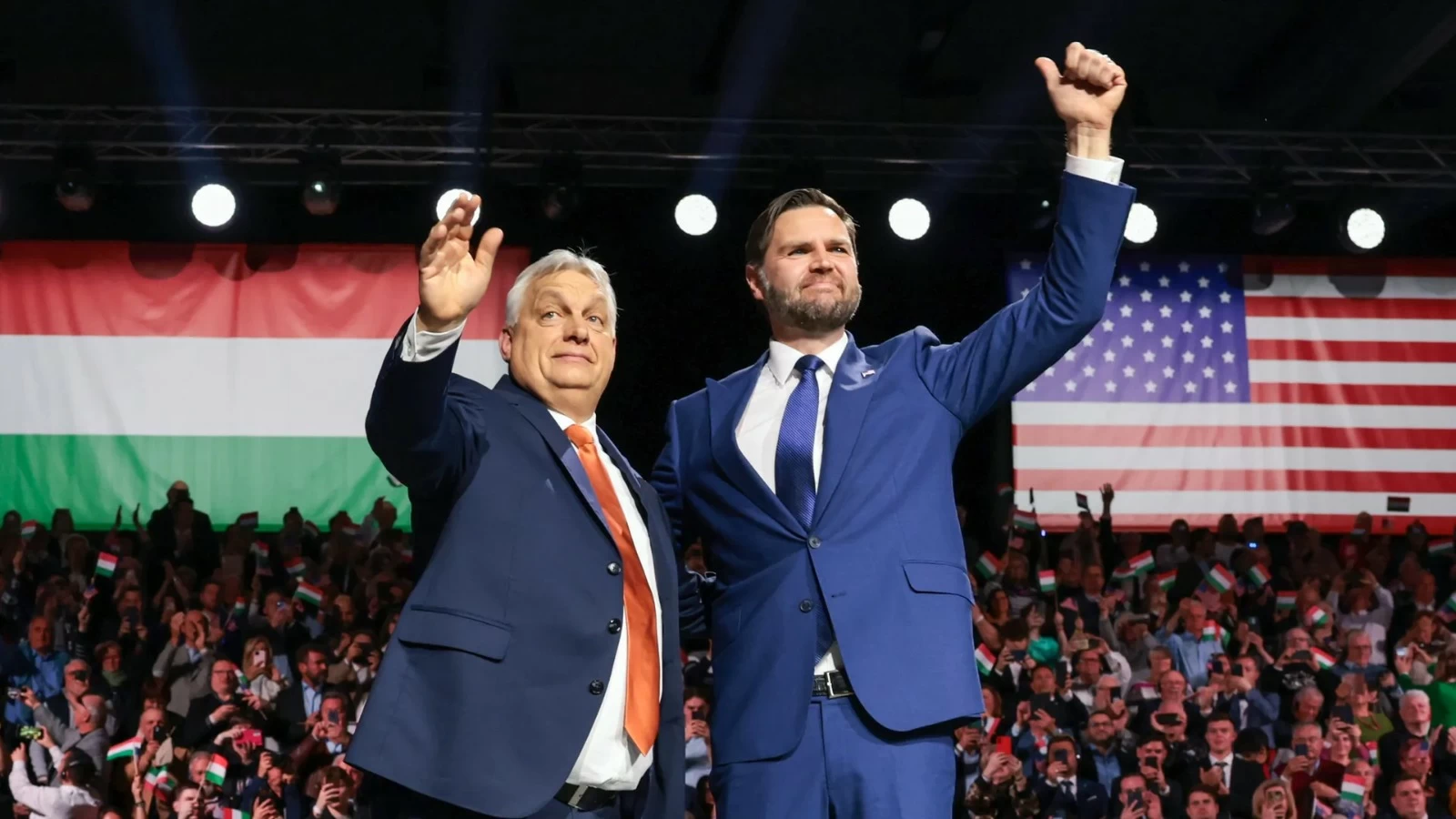
في تحول سياسي تاريخي، أطاح الناخبون في المجر برئيس الوزراء فيكتور أوربان بعد 16 عاماً من بقائه في السلطة، في نتيجة اعتُبرت ضربة قوية لأحد أبرز قادة التيار الشعبوي في العالم الغربي.
زلزال سياسي يتجاوز حدود المجر
النتائج التي وصفت بـ«الزلزال السياسي» لا تقتصر تداعياتها على العاصمة بودابست، بل يُتوقع أن تمتد آثارها إلى الساحة الأوروبية والدولية، خصوصاً في ظل الدعم الذي تلقاه أوربان من شخصيات دولية بارزة، من بينها دونالد ترمب.
صعود مفاجئ لماغيار
وأعلن بيتر ماغيار، البالغ من العمر 45 عاماً، فوزه في الانتخابات، بعد أن نجح خلال عامين فقط في التحول من عضو سابق في حزب أوربان إلى زعيم لحزب «تيسا» المعارض، الذي حقق تقدماً كاسحاً.
ووفق النتائج الأولية، حصد حزب ماغيار 138 مقعداً من أصل 199 في البرلمان، ما يمنحه أغلبية الثلثين، مقابل 55 مقعداً فقط لحزب «فيدس» بزعامة أوربان.
اعتراف بالهزيمة
وفي خطوة فاجأت المراقبين، أقرّ أوربان بالهزيمة سريعاً وهنّأ منافسه، واصفاً النتيجة بـ«المؤلمة»، ومؤكداً استمراره في العمل السياسي من موقع المعارضة.
صلاحيات واسعة للإصلاح
وتمنح الأغلبية الدستورية لحكومة ماغيار القدرة على تعديل الدستور، وهو الدستور الذي أعاد أوربان صياغته عام 2010 لتعزيز سلطاته، بما في ذلك السيطرة على القضاء والإعلام والنظام الانتخابي.
ويُتوقع أن يكون تفكيك هذه التغييرات أولوية رئيسية للحكومة الجديدة، خصوصاً في ظل سعيها لاستعادة نحو 17 مليار يورو من أموال الاتحاد الأوروبي المجمدة بسبب مخاوف تتعلق بسيادة القانون.
انتخابات حافلة بالجدل
وجاءت هذه النتيجة بعد حملة انتخابية شرسة شهدت اتهامات بالتزوير والتدخل الخارجي واستخدام تقنيات التزييف العميق (Deepfake)، وتسريبات صوتية، ومزاعم عن عمليات استدراج سياسي بأساليب استخباراتية.
مشاركة قياسية وتعب شعبي
وشهدت الانتخابات أعلى نسبة مشاركة منذ نهاية الحكم الشيوعي، في مؤشر على تصاعد الاستياء الشعبي من حكم أوربان، إلى جانب نجاح المعارضة في توحيد صفوفها.
وتمكن ماغيار من بناء تحالف عابر للأيديولوجيات، جمع بين ناخبين محافظين ساخطين وقوى المعارضة التقليدية.
أبعاد دولية واسعة
أمريكياً، كان أوربان حليفاً وثيقاً لترمب، الذي دعم حملته علناً وأرسل جيه دي فانس إلى المجر في الأيام الأخيرة من الانتخابات، متعهداً بدعم الاقتصاد المجري في حال فوزه.
وعلى الصعيد الروسي، مثّل أوربان أقرب حلفاء فلاديمير بوتين داخل الاتحاد الأوروبي، واستمر في الحفاظ على علاقات قوية معه حتى بعد الحرب في أوكرانيا، ويُنظر إلى خسارته كضربة لنفوذ موسكو في أوروبا.
وأوكرانياً، كان أوربان من أبرز المعارضين لتقديم دعم عسكري واسع لكييف، وهاجم مراراً فولوديمير زيلينسكي، متهماً إياه بالتآمر مع الاتحاد الأوروبي.
أما أوروبياً، فقد شهدت علاقة أوربان مع بروكسل توترات مستمرة بسبب قضايا الديمقراطية والهجرة، ويرى مراقبون أن فوز ماغيار قد يفتح الباب لإعادة ضبط العلاقات وتعزيز وحدة الاتحاد الأوروبي.
ويُعد هذا الانتصار الساحق لماغيار بداية مرحلة جديدة في المجر، مع وعود باستعادة المؤسسات الديمقراطية وتحسين العلاقات الأوروبية، كما تُشكل هذه الانتخابات نقطة تحول مفصلية في تاريخ المجر الحديث، إذ أنهت حقبة طويلة من الحكم الشعبوي، وفتحت الباب أمام مرحلة جديدة قد تعيد تشكيل التوازنات السياسية داخلياً وخارجياً، ليس فقط في المجر بل في أوروبا بأكملها.
In a historic political shift, voters in Hungary have ousted Prime Minister Viktor Orbán after 16 years in power, in a result considered a significant blow to one of the most prominent leaders of the populist movement in the Western world.
A Political Earthquake Beyond Hungary's Borders
The results, described as a "political earthquake," are expected to have repercussions not only in the capital Budapest but also across the European and international arenas, especially given the support Orbán received from prominent international figures, including Donald Trump.
Surprising Rise of Magyar
Peter Magyar, 45, announced his victory in the elections after successfully transforming from a former member of Orbán's party to the leader of the opposition "Tisza" party, which made sweeping gains.
According to preliminary results, Magyar's party won 138 seats out of 199 in parliament, granting it a two-thirds majority, compared to only 55 seats for Orbán's Fidesz party.
Acknowledgment of Defeat
In a move that surprised observers, Orbán quickly conceded defeat and congratulated his opponent, describing the result as "painful," while affirming his intention to continue in politics from the opposition's position.
Broad Powers for Reform
The constitutional majority for Magyar's government allows it to amend the constitution, which Orbán had restructured in 2010 to enhance his powers, including control over the judiciary, media, and electoral system.
It is expected that dismantling these changes will be a key priority for the new government, especially as it seeks to recover around 17 billion euros in frozen European Union funds due to concerns over the rule of law.
Controversial Elections
This result came after a fierce electoral campaign marked by allegations of fraud, foreign interference, the use of deepfake technology, audio leaks, and claims of political entrapment using intelligence methods.
Record Participation and Public Fatigue
The elections witnessed the highest voter turnout since the end of communist rule, indicating rising public discontent with Orbán's governance, alongside the opposition's success in unifying its ranks.
Magyar managed to build a cross-ideological coalition that brought together disgruntled conservative voters and traditional opposition forces.
Widespread International Implications
In the U.S., Orbán was a close ally of Trump, who publicly supported his campaign and sent J.D. Vance to Hungary in the final days of the election, pledging to support the Hungarian economy if he won.
On the Russian front, Orbán represented one of Vladimir Putin's closest allies within the European Union, maintaining strong ties with him even after the war in Ukraine, and his loss is seen as a blow to Moscow's influence in Europe.
In terms of Ukraine, Orbán was one of the most prominent opponents of providing extensive military support to Kyiv, repeatedly attacking Volodymyr Zelensky, accusing him of colluding with the European Union.
In Europe, Orbán's relationship with Brussels has been marked by ongoing tensions over democracy and immigration issues, and observers believe that Magyar's victory may open the door to recalibrating relations and strengthening European unity.
This overwhelming victory for Magyar marks the beginning of a new phase in Hungary, with promises to restore democratic institutions and improve European relations. This election represents a pivotal turning point in Hungary's modern history, ending a long era of populist rule and opening the door to a new phase that could reshape political balances both domestically and internationally, not only in Hungary but across Europe as a whole.