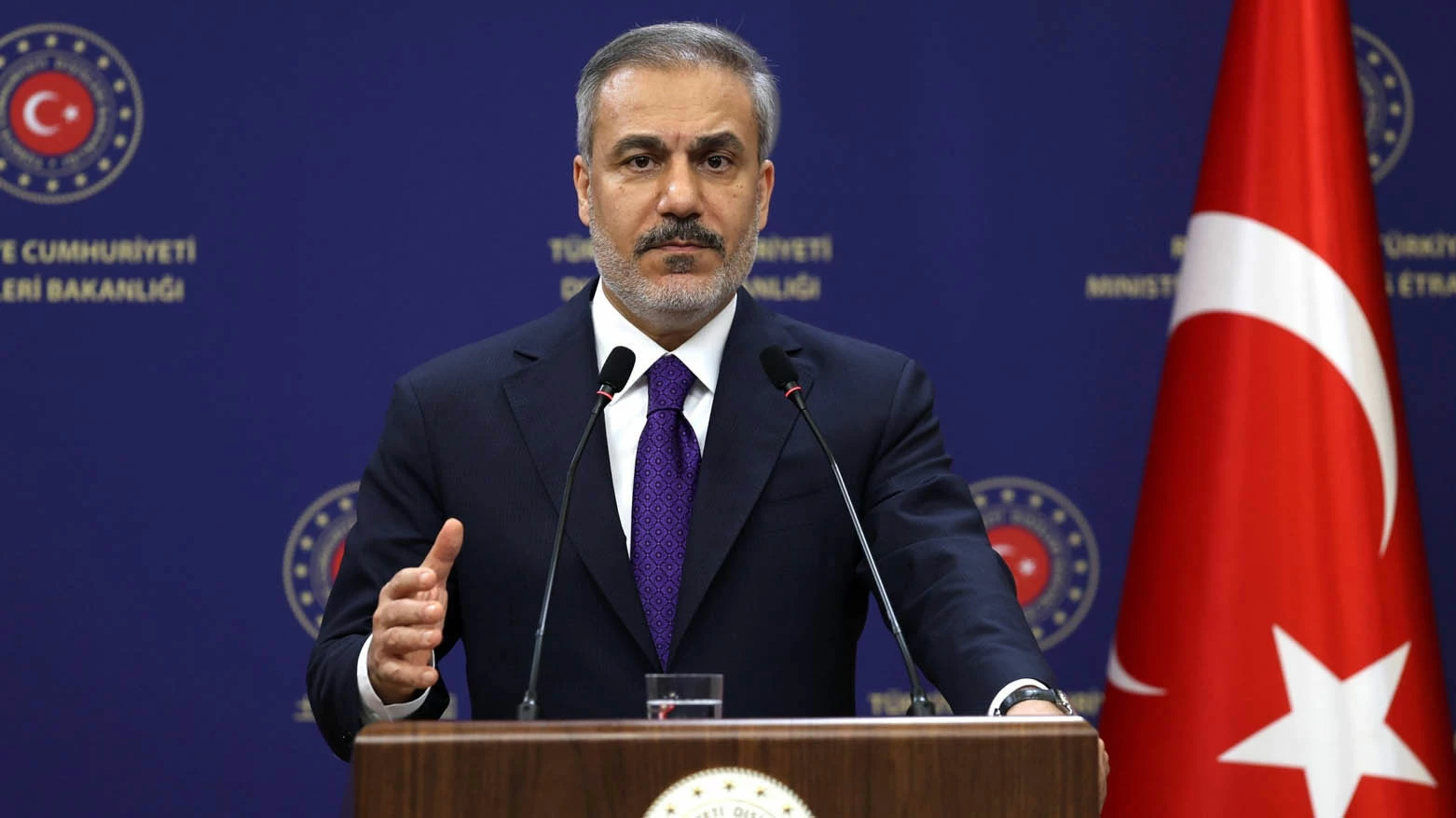
اتهم وزير الخارجية التركي هاكان فيدان، رئيس الوزراء الإسرائيلي بنيامين نتنياهو، بالسعي إلى توسيع رقعة التوتر في المنطقة، مؤكداً أنه يحاول نقل حالة العداء إلى تركيا بعد إيران، في إطار سياسة تصعيدية تبحث عن «عدو جديد».
واعتبر فيدان في تصريحات، اليوم الإثنين، أن إيران والولايات المتحدة الأمريكية تُظهران جدية في تثبيت وقف إطلاق النار، وتدركان أهميته في هذه المرحلة، مشدداً على أن المجتمع الدولي يتفق على ضرورة ضمان حرية الملاحة الدولية وانسيابها، مع التأكيد على أن الموقف التركي يدعو إلى فتح الممرات البحرية بالوسائل السلمية.
ولفت وزير الخارجية التركي إلى أن إسرائيل لم تتخذ حتى الآن إجراءات استثنائية تجاه سورية على خلفية التصعيد مع إيران، محذراً من أن ذلك لا يعني استبعاد تحركات مستقبلية، وقال إن تل أبيب ستفعل ذلك عندما يحين الوقت.
وأضاف أن إسرائيل، بعد المواجهة مع إيران، لا تستطيع الاستمرار دون وجود خصم، معتبراً أن «المؤشرات الحالية توحي بمحاولة دفع تركيا إلى دائرة الاستهداف القادمة».
وكانت وزارة المالية الإسرائيلية، كشفت أن التقديرات الأولية تشير إلى أن حرب إيران كبدت الميزانية نفقات قدرها 35 مليار شيكل (11.52 مليار دولار)، خصص منها 22 مليار شيكل (7.22 مليار دولار) لقطاع الدفاع. ونشرت الوزارة تقديراً أولياً لتكلفة عملية العسكرية، التي أطلقت عليها اسم «زئير الأسد»، وبحسب هذا التقدير، فإن حجم النفقات المباشرة يقدّر بنحو 35 مليار شيكل، ورجحت الوزارة ارتفاعه في حال اندلاع تصعيد جديد، أو توسيع العمليات القتالية. ولفتت إلى أن الحرب كبدت إسرائيل تكاليف اقتصادية باهظة، بما في ذلك خسارة في الناتج المحلي الإجمالي، وزيادة في الإنفاق الحكومي، و«لن يتضح بعضها بشكل كامل إلا في المستقبل»، وفق صحيفة «تايمز أوف إسرائيل». وأوضحت وزارة المالية أن الجزء الأكبر من النفقات يُنسب إلى قطاع الدفاع، بنحو 22 مليار شيكل، يشمل من بين أمور أخرى، التزود بالمعدات وتوسيع تجنيد قوات الاحتياط بما يتجاوز التخطيط الأصلي. وتقدر التكلفة الإجمالية لخطط التعويض الحكومية عن الأضرار المباشرة الناجمة عن الصواريخ الإيرانية، وخسارة الشركات، والإجازات غير مدفوعة الأجر للموظفين بنحو 12 مليار شيكل.
The Turkish Foreign Minister Hakan Fidan accused Israeli Prime Minister Benjamin Netanyahu of seeking to expand the area of tension in the region, asserting that he is trying to transfer the state of hostility to Turkey after Iran, as part of an escalatory policy looking for a "new enemy."
Fidan considered in statements made today, Monday, that Iran and the United States are showing seriousness in establishing a ceasefire, recognizing its importance at this stage, emphasizing that the international community agrees on the necessity of ensuring and facilitating international navigation, while stressing that the Turkish position calls for opening maritime corridors through peaceful means.
The Turkish Foreign Minister pointed out that Israel has not yet taken exceptional measures towards Syria in light of the escalation with Iran, warning that this does not mean excluding future movements, and stated that Tel Aviv will do so when the time is right.
He added that Israel, after the confrontation with Iran, cannot continue without an adversary, considering that "current indicators suggest an attempt to push Turkey into the next target circle."
The Israeli Ministry of Finance revealed that preliminary estimates indicate that the war with Iran has cost the budget expenses amounting to 35 billion shekels (11.52 billion dollars), of which 22 billion shekels (7.22 billion dollars) were allocated to the defense sector. The ministry published a preliminary estimate of the cost of the military operation, which it named "Lion's Roar," and according to this estimate, the size of direct expenses is estimated at about 35 billion shekels, and the ministry anticipated an increase in this amount in the event of new escalation or expansion of combat operations. It noted that the war has imposed heavy economic costs on Israel, including a loss in GDP, an increase in government spending, and "some of which will not be fully clear until the future," according to the "Times of Israel." The Ministry of Finance explained that the bulk of the expenses is attributed to the defense sector, amounting to about 22 billion shekels, which includes, among other things, the procurement of equipment and the expansion of reserve force recruitment beyond the original planning. The total cost of government compensation plans for direct damages caused by Iranian missiles, business losses, and unpaid leave for employees is estimated at about 12 billion shekels.