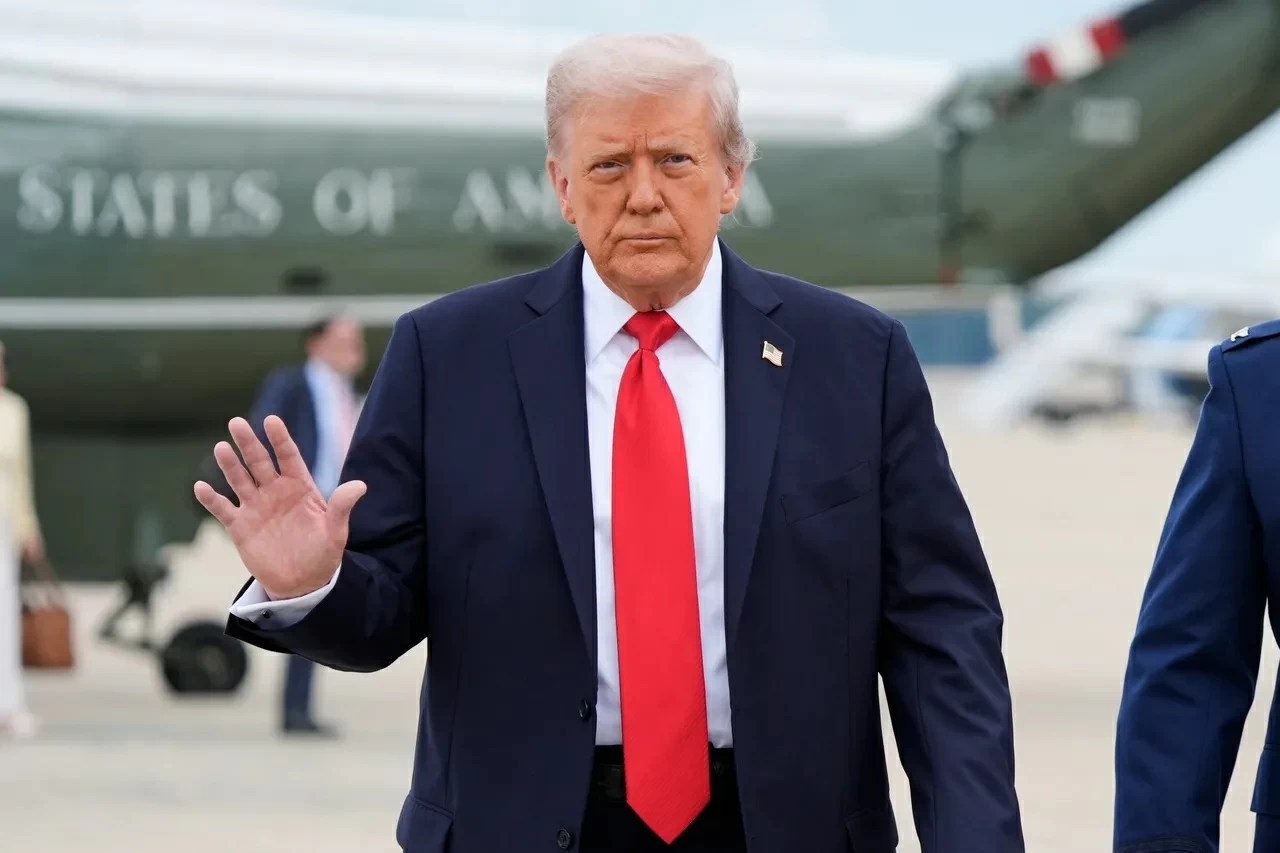
في تصعيد لافت يعكس تعثر المسار الدبلوماسي، أعلن الرئيس الأمريكي دونالد ترمب أن المفاوضات مع إيران، رغم امتدادها لساعات طويلة، لم تنجح في حسم الملف الأهم، وهو البرنامج النووي، مؤكداً أن التفاهمات التي تحققت «تفقد قيمتها» في ظل تمسك طهران بهذا المسار.
جدار القضية النووية
أوضح ترمب، في تصريحات نشرها عبر منصة «تروث سوشال»، أن الاجتماعات التي جرت في إسلام آباد استمرت قرابة 20 ساعة، وشهدت نقاشات «إيجابية في ظاهرها»، إلا أنها اصطدمت بجدار صلب عند القضية النووية، التي وصفها بأنها «النقطة الوحيدة التي تهم». وشدد على أن إيران «غير مستعدة للتخلي عن طموحاتها النووية»، مجدداً موقفه الحاسم بأن بلاده «لن تسمح لها بامتلاك سلاح نووي تحت أي ظرف».
حصار بحري على مضيق هرمز،
وفي موازاة هذا التعثر، كشف الرئيس الأمريكي عن توجه فوري نحو التصعيد، بإعلانه بدء إجراءات حصار بحري على مضيق هرمز، في خطوة تعكس انتقال واشنطن من طاولة التفاوض إلى أدوات الضغط الميداني. وقال إن البحرية الأمريكية ستباشر عمليات اعتراض السفن التي تحاول دخول المضيق أو الخروج منه، خصوصاً تلك التي تدفع رسوماً لإيران، معتبراً ذلك «ابتزازاً دولياً لن تقبل به الولايات المتحدة».
إزالة الألغام
ولم يكتفِ ترمب بالإعلان عن الحصار، بل لوّح بإجراءات أكثر صرامة، تشمل تعقب السفن في المياه الدولية، وإزالة الألغام التي تقول واشنطن إن إيران زرعتها في الممر الحيوي. وأشار إلى أن التهديد الإيراني بزرع ألغام بحرية، حتى دون التحقق منها، خلق حالة من القلق العالمي، قائلاً إن «أي مالك سفينة لن يغامر بالمرور في ظل هذه الظروف».
رد «قاسٍ وحاسم»
وفي لهجة تصعيدية، حذر ترمب من أن أي استهداف أمريكي أو اعتداء على سفن مدنية سيقابل برد «قاسٍ وحاسم»، مؤكداً أن القوات الأمريكية «في حالة جاهزية كاملة». كما اتهم إيران بأنها أضعفت قدراتها العسكرية نتيجة «رهانها على المشروع النووي»، في إشارة إلى تراجع منظوماتها الدفاعية والبحرية.
أجواء ودية بلا نتيجة
وفي سياق متصل، أشار إلى أنه تلقى إحاطة مفصلة من نائب الرئيس جي دي فانس والمبعوث الخاص ستيف ويتكوف، إضافة إلى جاريد كوشنر، حول مجريات المفاوضات التي جرت برعاية باكستانية، مثنياً على دور القيادة هناك، ومعتبراً أنها أدارت الحوار بكفاءة عالية.
ورغم الإشادة بالأجواء «الودية» التي سادت بين الوفدين الأمريكي والإيراني خلال المحادثات، أكد ترمب أن ذلك «لم يغيّر من جوهر الخلاف شيئاً»، في ظل تمسك طهران بموقفها من الملف النووي.
In a notable escalation reflecting the stagnation of the diplomatic path, U.S. President Donald Trump announced that negotiations with Iran, despite lasting for many hours, failed to resolve the most important issue, which is the nuclear program, emphasizing that the agreements reached "lose their value" in light of Tehran's insistence on this path.
The Wall of the Nuclear Issue
Trump clarified, in statements published via the "Truth Social" platform, that the meetings held in Islamabad lasted nearly 20 hours and featured discussions that were "positive in appearance," but hit a solid wall regarding the nuclear issue, which he described as "the only point that matters." He stressed that Iran is "not prepared to abandon its nuclear ambitions," reiterating his firm stance that his country "will not allow it to possess nuclear weapons under any circumstances."
Maritime Blockade in the Strait of Hormuz
In parallel with this stagnation, the U.S. president revealed an immediate shift towards escalation by announcing the initiation of maritime blockade procedures in the Strait of Hormuz, a move reflecting Washington's transition from the negotiating table to field pressure tools. He stated that the U.S. Navy will begin operations to intercept ships attempting to enter or exit the strait, particularly those paying fees to Iran, considering this "international extortion that the United States will not accept."
Mine Removal
Trump did not stop at announcing the blockade but hinted at more stringent measures, including tracking ships in international waters and removing mines that Washington claims Iran has planted in the vital corridor. He noted that the Iranian threat of laying naval mines, even without verification, has created a state of global concern, stating that "no ship owner will risk passing under these circumstances."
"Severe and Decisive" Response
In an escalatory tone, Trump warned that any American targeting or attack on civilian ships will be met with a "severe and decisive" response, affirming that U.S. forces are "in a state of full readiness." He also accused Iran of weakening its military capabilities due to its "bet on the nuclear project," referring to the decline of its defensive and naval systems.
Friendly Atmosphere with No Results
In a related context, he indicated that he received a detailed briefing from Vice President J.D. Vance and Special Envoy Steve Witkoff, in addition to Jared Kushner, regarding the developments of the negotiations that took place under Pakistani sponsorship, praising the leadership's role there and considering that they managed the dialogue with high efficiency.
Despite praising the "friendly" atmosphere that prevailed between the American and Iranian delegations during the talks, Trump confirmed that this "did not change the essence of the dispute at all," in light of Tehran's insistence on its position regarding the nuclear file.