فيما أعلن مسؤول إيراني رفيع لـ«رويترز»، أن الولايات المتحدة وافقت على الإفراج عن أصول إيرانية مجمدة موجودة في قطر وبنوك أجنبية، نفى البيت الأبيض صحة هذه الملعومات. وقال إن التقرير الذي يتحدث عن موافقة أمريكا على الإفراج عن أصول إيرانية غير صحيح.
واعتبر المسؤول الإيراني أن هذا التوجه «اختبار لحسن النية ودليل على الجدية بشأن التوصل لاتفاق سلام دائم»، قبيل انطلاق مفاوضات إسلام أباد لإنهاء الحرب في إيران. ولفت إلى أن فك تجميد الأصول مرتبط أيضاً بشكل مباشر بضمان المرور الآمن عبر مضيق هرمز قبل التوصل إلى أي اتفاق سلام دائم.
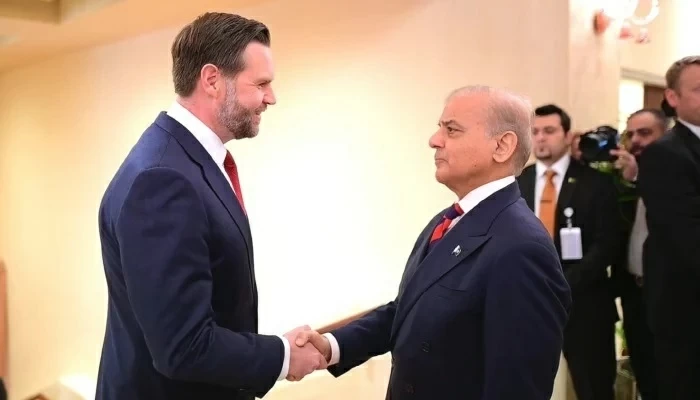
ووصل الوفدان الأمريكي والإيراني إلى باكستان، وبدآ في عقد محادثات أولية مع المسؤولين الباكستانيين.
وقال رئيس وفد التفاوض الإيراني محمد باقر قاليباف، اليوم السبت، في إسلام أباد إن إيران جاءت إلى المفاوضات مع الولايات المتحدة، بـ«حسن نية، لكننا لا نثق بالطرف الآخر».
وفي تصريحات الجمعة، قال قاليباف لدى وصوله إلى مطار إسلام أباد، إن تجربة بلاده في التفاوض مع الولايات المتحدة «كانت دائماً مقرونة بالفشل ونقض الالتزامات»، مؤكداً استعداد بلاده للتوصل إلى اتفاق إذا أبدت واشنطن جديتها.
وأضاف قاليباف في رده على أسئلة الصحفيين بشأن تصريحات نائب الرئيس جي دي فانس، أن إيران «تعرضت مرتين خلال أقل من عام، وفي خضم المفاوضات ورغم حسن نيتها، لهجمات أسفرت عن ارتكاب جرائم متعددة». وأكد أن طهران لديها نوايا حسنة، لكنها لا تملك الثقة في أمريكا، مشدداً على أن ذلك يلخّص موقفها من أي مسار تفاوضي مع واشنطن.
وفي ما يتعلق بالمفاوضات القادمة، قال قاليباف إنه «إذا كان الطرف الأمريكي مستعداً لاتفاق حقيقي يضمن حقوق الشعب الإيراني، فإن إيران ستكون مستعدة بدورها للتوصل إلى اتفاق»، محذراً في المقابل من استخدام التفاوض «غطاءً أو أداةَ خداعٍ»، ومؤكداً أن بلاده «مستعدة للدفاع عن حقوقها».
An Iranian senior official announced to Reuters that the United States has agreed to release frozen Iranian assets located in Qatar and foreign banks, while the White House denied the accuracy of this information. It stated that the report claiming that America agreed to release Iranian assets is incorrect.
The Iranian official considered this approach a "test of goodwill and evidence of seriousness regarding reaching a permanent peace agreement," just before the start of negotiations in Islamabad to end the war in Iran. He pointed out that the unfreezing of assets is also directly linked to ensuring safe passage through the Strait of Hormuz before reaching any permanent peace agreement.
The American and Iranian delegations arrived in Pakistan and began holding preliminary talks with Pakistani officials.
Iran's chief negotiator, Mohammad Baqer Qalibaf, stated today, Saturday, in Islamabad that Iran came to the negotiations with the United States with "goodwill, but we do not trust the other party."
In statements on Friday, Qalibaf said upon his arrival at Islamabad Airport that his country's experience in negotiating with the United States "has always been accompanied by failure and breach of commitments," affirming that his country is ready to reach an agreement if Washington shows its seriousness.
Qalibaf added in response to journalists' questions regarding Vice President J.D. Vance's statements that Iran "has been subjected to attacks twice in less than a year, amidst negotiations and despite its goodwill, resulting in multiple crimes." He emphasized that Tehran has good intentions, but lacks trust in America, stressing that this summarizes its position on any negotiating path with Washington.
Regarding the upcoming negotiations, Qalibaf said, "If the American side is ready for a real agreement that guarantees the rights of the Iranian people, then Iran will be ready to reach an agreement in turn," warning in contrast against using negotiations as "a cover or a tool of deception," and affirming that his country "is ready to defend its rights."