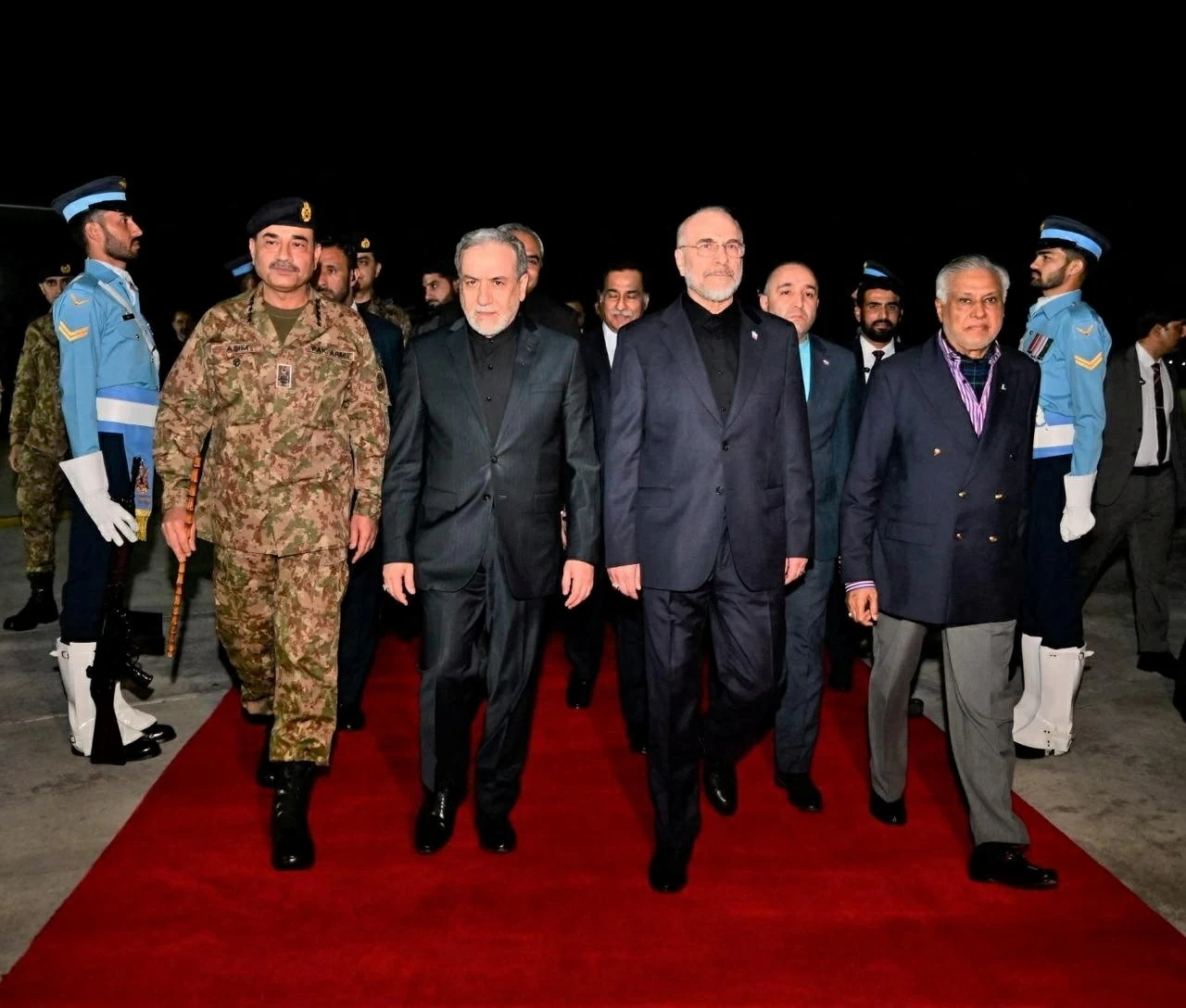
كشفت صحيفة «نيويورك تايمز»، أن إيران أرسلت وفداً يضم 71 مسؤولاً إلى مفاوضات إسلام آباد مع الولايات المتحدة، يقوده رئيس البرلمان محمد باقر قاليباف ووزير الخارجية عباس عراقجي.
وقالت مصادر إيرانية مطلعة إن الوفد لديه صلاحية إبرام اتفاق أو الانسحاب من المحادثات، دون الرجوع إلى المسؤولين في العاصمة طهران.
ونقلت الصحيفة الأمريكية عن 3 مسؤولين إيرانيين كبار مطلعين على المحادثات قولهم: إن الوفد الإيراني يتمتع بصلاحيات كاملة لاتخاذ القرارات في باكستان، وليس مطالباً بالتشاور مع طهران، نظراً للطبيعة الحساسة والحاسمة للمفاوضات.
وأفاد المسؤولون، الذين طلبوا عدم الكشف عن هوياتهم، بأن المرشد مجتبى خامنئي، منح قاليباف، وهو صديق مقرب وحليف له، صلاحية إبرام اتفاق أو الانسحاب من المحادثات.
ونقلت وكالة أنباء «فارس» الإيرانية عن قاليباف قوله: إن إيران جاءت إلى المفاوضات مع الولايات المتحدة، بـ«حسن نية، لكننا لا نثق بالطرف الآخر».
من جانبه، اعتبر وزير الخارجية الإيراني السابق جواد ظريف أن بلاده «أظهرت جديتها»، عبر إرسال فريق تفاوضي لديه سلطة اتخاذ القرار، إلى إسلام آباد، رغم ما وصفه بـ«الخروقات المتكررة» من جانب الولايات المتحدة.
وأضاف أن الأمل هو أن يدرك الرئيس دونالد ترمب، بعيداً عن التصعيد الخطابي، أن الطريق الوحيد للخروج من هذا المستنقع هو التوصل إلى اتفاق، بينما لا تزال الفرصة متاحة.
وطالب ظريف في منشوره، الرئيس ترمب بـ«التوقف عن الاستماع إلى المطلوب»، في إشارة إلى رئيس الوزراء الإسرائيلي بنيامين نتنياهو، ومذكرة التوقيف الدولية الصادرة بحقه.
ومن أبرز أعضاء الوفد الإيراني في مفاوضات إسلام آباد: محمد باقر قاليباف رئيس مجلس الشورى الإيراني ورئيس الوفد، عباس عراقجي وزير الخارجية، رضا أميري مقدم السفير الإيراني في باكستان، علي أكبر أحمديان عضو المجلس الأعلى للأمن القومي، علي باقري كني نائب المجلس الأعلى للأمن القومي، إسماعيل أحمدي مقدم رئيس جامعة الدفاع الوطني، محمد جعفري مساعد أمين المجلس الأعلى للأمن القومي، ناصر همتي محافظ البنك المركزي، كاظم غريب آبادي نائب وزير الخارجية، مجيد تخت روانجي نائب وزير الخارجية، ولي الله نوري نائب وزير الخارجية، إسماعيل بقائي المتحدث باسم الخارجية الإيرانية، أبو الفضل عمويي عضو في البرلمان، ومحمد نبويان عضو في البرلمان.
The New York Times revealed that Iran sent a delegation of 71 officials to the Islamabad negotiations with the United States, led by Parliament Speaker Mohammad Baqer Qalibaf and Foreign Minister Abbas Araqchi.
Iranian sources familiar with the matter stated that the delegation has the authority to conclude an agreement or withdraw from the talks without referring back to officials in the capital, Tehran.
The American newspaper quoted three senior Iranian officials familiar with the negotiations as saying that the Iranian delegation enjoys full powers to make decisions in Pakistan and is not required to consult with Tehran, given the sensitive and critical nature of the negotiations.
The officials, who requested anonymity, reported that Supreme Leader Mojtaba Khamenei granted Qalibaf, a close friend and ally, the authority to conclude an agreement or withdraw from the talks.
The Iranian news agency Fars quoted Qalibaf as saying that Iran came to the negotiations with the United States with "good intentions, but we do not trust the other party."
For his part, former Iranian Foreign Minister Javad Zarif considered that his country "demonstrated its seriousness" by sending a negotiating team with decision-making authority to Islamabad, despite what he described as "repeated violations" by the United States.
He added that the hope is that President Donald Trump, beyond the rhetorical escalation, realizes that the only way out of this quagmire is to reach an agreement while the opportunity is still available.
Zarif urged President Trump in his post to "stop listening to the demands," referring to Israeli Prime Minister Benjamin Netanyahu and the international arrest warrant issued against him.
Among the prominent members of the Iranian delegation in the Islamabad negotiations are: Mohammad Baqer Qalibaf, Speaker of the Iranian Parliament and head of the delegation; Abbas Araqchi, Foreign Minister; Reza Amiri Moghadam, Iranian Ambassador to Pakistan; Ali Akbar Ahmadian, member of the Supreme National Security Council; Ali Bagheri Kani, Deputy of the Supreme National Security Council; Ismail Ahmadi Moghadam, President of the National Defense University; Mohammad Jafari, Assistant Secretary of the Supreme National Security Council; Nasser Hemmati, Governor of the Central Bank; Kazem Gharibabadi, Deputy Foreign Minister; Majid Takht-Ravanchi, Deputy Foreign Minister; Valiollah Nouri, Deputy Foreign Minister; Ismail Baqai, Spokesman for the Iranian Foreign Ministry; Abolfazl Amouei, member of Parliament; and Mohammad Nabavian, member of Parliament.