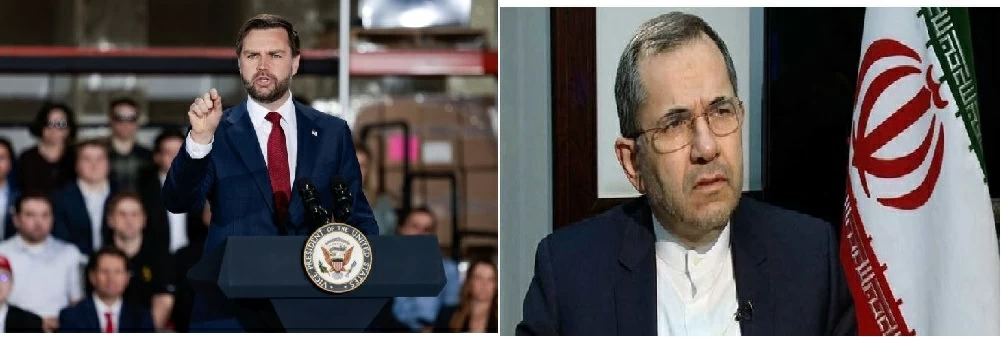
قبل ساعات من انطلاق المفاوضات الأمريكية-الإيرانية المرتقبة في إسلام آباد، برزت تصريحات متقابلة تعكس مزيجاً من الانفتاح والحذر؛ إذ أعلن نائب الرئيس الأمريكي جي دي فانس استعداد بلاده لخوض «مفاوضات إيجابية» ومد اليد لطهران، في حين شدد مساعد وزير الخارجية الإيراني مجيد تخت روانجي، مساعد عباس عراقجي، على أن بلاده ترفض أي حوار يُستخدم غطاءً لعدوان جديد.
واشنطن: انفتاح مشروط وحزم تفاوضي
غادر فانس الولايات المتحدة متوجهاً إلى باكستان للمشاركة في المحادثات، معرباً عن أمله في تحقيق نتيجة «إيجابية» تضع حداً نهائياً للحرب في الشرق الأوسط.
وقال قبيل إقلاع طائرته: «سنحاول خوض مفاوضات إيجابية»، مضيفاً: «إذا كان الإيرانيون مستعدين للتفاوض بحسن نية، فنحن مستعدون لمد اليد».
وفي الوقت ذاته، لوّح بنبرة حازمة، مؤكداً أن أي محاولة «للتلاعب» ستُقابل برفض من الفريق الأمريكي، مشيراً إلى أن الرئيس دونالد ترمب وضع «توجيهات شديدة الوضوح» لمسار التفاوض.
طهران: دبلوماسية بلا خداع
في المقابل، رسمت طهران سقفاً حذراً للمفاوضات، إذ أكد روانجي أن بلاده «ترحب دائماً بالدبلوماسية، لكن ليس بحوار يستند إلى معلومات خاطئة بهدف الخداع والتمهيد لهجوم جديد ضدها».
وشدد على رفض إيران لأي وقف لإطلاق النار «يمنح الطرف الآخر فرصة لإعادة تسليح نفسه»، في إشارة إلى مخاوف من استغلال الهدنة لإعادة ترتيب القدرات العسكرية.
كما أشار إلى أن نهج بلاده تجاه دول المنطقة يقوم على «حسن الجوار»، معتبراً أن العمليات الإيرانية لا تستهدف تلك الدول، بل تركز -بحسب وصفه- على القواعد الأمريكية.
«هرمز».. عقدة التفاوض
وفي موازاة ذلك، أعاد رئيس لجنة الأمن القومي في البرلمان الإيراني إبراهيم عزيزي التأكيد على أن مضيق هرمز «لن يعود إلى نظام السيطرة قبل الحرب»، مشيراً إلى أنه سيخضع «لسيطرة كاملة من قبل القوات المسلحة»، في موقف يعكس تمسك طهران بورقة ضغط رئيسية.
وتأتي هذه التصريحات رغم تحذيرات أمريكية متكررة من عرقلة الملاحة في هذا الممر الحيوي أو فرض رسوم على السفن.
وفود تصل.. وترقب للنتائج
ومن المتوقع أن يترأس الوفد الإيراني رئيس البرلمان محمد باقر قاليباف برفقة وزير الخارجية عباس عراقجي، فيما يقود فانس الوفد الأمريكي إلى جانب المبعوث الخاص ستيف ويتكوف، وجاريد كوشنير.
ويأتي هذا اللقاء بعد نحو 40 يوماً من الحرب التي اندلعت في 28 فبراير، وسط ترقب دولي لما ستسفر عنه مفاوضات إسلام آباد، التي تبدو حتى الآن محكومة بتوازن دقيق بين الانفتاح السياسي والتشدد الأمني.
Hours before the anticipated U.S.-Iranian negotiations in Islamabad, contrasting statements emerged reflecting a mix of openness and caution; U.S. Vice President J.D. Vance announced his country's readiness to engage in "positive negotiations" and extend a hand to Tehran, while Iranian Deputy Foreign Minister Majid Takht-Ravanchi, assistant to Abbas Araghchi, emphasized that his country rejects any dialogue used as a cover for new aggression.
Washington: Conditional Openness and Negotiation Firmness
Vance left the United States heading to Pakistan to participate in the talks, expressing hope for a "positive" outcome that would put a definitive end to the war in the Middle East.
Just before his flight took off, he stated: "We will try to engage in positive negotiations," adding, "If the Iranians are ready to negotiate in good faith, we are ready to extend a hand."
At the same time, he warned firmly, asserting that any attempt to "manipulate" would be met with rejection from the U.S. team, noting that President Donald Trump has set "very clear directives" for the negotiation process.
Tehran: Diplomacy Without Deception
In contrast, Tehran set a cautious ceiling for the negotiations, with Ravanchi confirming that his country "always welcomes diplomacy, but not dialogue based on false information aimed at deception and paving the way for a new attack against it."
He emphasized Iran's rejection of any ceasefire "that gives the other party a chance to rearm," referring to concerns about exploiting the truce to rearrange military capabilities.
He also indicated that his country's approach towards regional states is based on "good neighborliness," considering that Iranian operations do not target those countries but rather focus—according to his description—on American bases.
"Hormuz"… The Negotiation Knot
In parallel, the head of the Iranian Parliament's National Security Committee, Ibrahim Azizi, reiterated that the Strait of Hormuz "will not return to the pre-war control system," indicating that it will be under "full control by the armed forces," a position reflecting Tehran's insistence on a key pressure point.
These statements come despite repeated American warnings against disrupting navigation in this vital corridor or imposing fees on ships.
Delegations Arrive… Awaiting Results
The Iranian delegation is expected to be headed by Parliament Speaker Mohammad Baqer Qalibaf, accompanied by Foreign Minister Abbas Araghchi, while Vance leads the U.S. delegation alongside special envoy Steve Witkoff and Jared Kushner.
This meeting comes about 40 days after the war that broke out on February 28, amid international anticipation of what the Islamabad negotiations will yield, which so far seem to be governed by a delicate balance between political openness and security strictness.