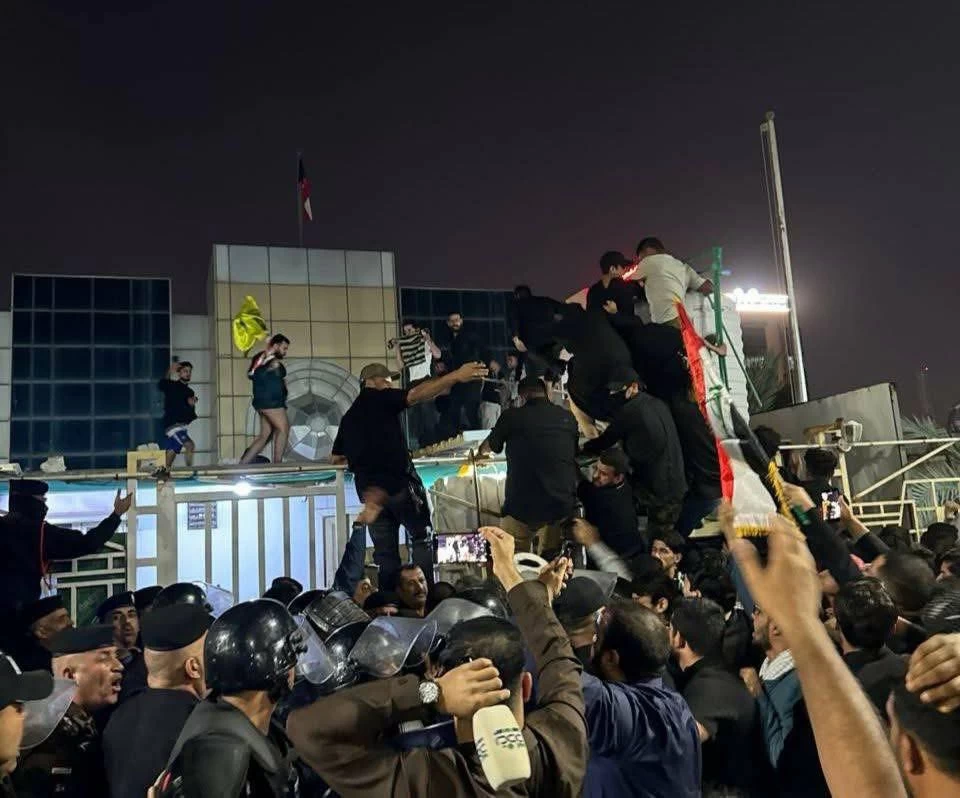
دان الأمين العام لجامعة الدول العربية أحمد أبوالغيط، بشدة الاعتداء الذي تعرضت له القنصلية العامة لدولة الكويت في محافظة البصرة جنوب العراق، ووصفه بأنه «انتهاك سافر لحرمة البعثات الدبلوماسية والقنصلية».
وقال أبوالغيط، في بيان صادر عن الجامعة اليوم (الأربعاء): إن الاعتداء الذي طال القنصلية الكويتية في البصرة يمثّل رفضاً قاطعاً لأي انتهاك لحرمة المقار الدبلوماسية أو القنصلية، أو أي اقتحام أو تخريب أو ضرر أو نهب يحدث داخلها أو حولها تحت أي ذريعة.
ونقل المتحدث باسم الأمين العام جمال رشدي، أن أبوالغيط رحب بإعلان العراق تشكيل لجنة تحقيق في الحادثة، مؤكداً أهمية اتخاذ الإجراءات القانونية اللازمة بحق المتورطين بما يضمن عدم تكرار مثل هذه الاعتداءات.
وتُعد هذه الحادثة انتهاكاً خطيراً لاتفاقية فيينا للعلاقات الدبلوماسية (1961) واتفاقية فيينا للعلاقات القنصلية (1963)، التي تؤكد حصانة وحرمة المقار الدبلوماسية والقنصلية، وتلزم الدولة المضيفة بحمايتها.
وأثارت الحادثة إدانات عربية ودولية واسعة، بما في ذلك من دول مجلس التعاون الخليجي والكويت نفسها، التي حمّلت الحكومة العراقية المسؤولية عن حماية بعثاتها. كما دانت وزارة الخارجية العراقية الحادثة، وأعلنت تشكيل لجنة تحقيق فورية.
تأتي الإدانة العربية في سياق توتر إقليمي متصاعد شهد اعتداءات وهجمات صاروخية وطائرات مسيرة استهدفت أراضي كويتية ودولاً خليجية أخرى، مما دفع جامعة الدول العربية ودولاً عربية عدة إلى تأكيد أهمية احترام السيادة، وحماية البعثات الدبلوماسية، وخفض التصعيد من خلال الحوار والقنوات الدبلوماسية.
The Secretary-General of the Arab League, Ahmed Aboul Gheit, strongly condemned the attack on the General Consulate of the State of Kuwait in Basra Governorate, southern Iraq, describing it as "a blatant violation of the sanctity of diplomatic and consular missions."
Aboul Gheit stated in a statement issued by the League today (Wednesday) that the attack on the Kuwaiti consulate in Basra represents a categorical rejection of any violation of the sanctity of diplomatic or consular premises, or any intrusion, vandalism, damage, or looting that occurs within or around them under any pretext.
The spokesperson for the Secretary-General, Jamal Rushdi, conveyed that Aboul Gheit welcomed Iraq's announcement of the formation of an investigative committee into the incident, emphasizing the importance of taking the necessary legal measures against those involved to ensure that such attacks do not recur.
This incident is considered a serious violation of the Vienna Convention on Diplomatic Relations (1961) and the Vienna Convention on Consular Relations (1963), which affirm the immunity and sanctity of diplomatic and consular premises and obligate the host state to protect them.
The incident has sparked widespread Arab and international condemnations, including from the Gulf Cooperation Council countries and Kuwait itself, which held the Iraqi government responsible for protecting its missions. The Iraqi Ministry of Foreign Affairs also condemned the incident and announced the formation of an immediate investigative committee.
The Arab condemnation comes in the context of escalating regional tensions that have witnessed attacks and missile strikes targeting Kuwaiti territory and other Gulf states, prompting the Arab League and several Arab countries to emphasize the importance of respecting sovereignty, protecting diplomatic missions, and de-escalating through dialogue and diplomatic channels.