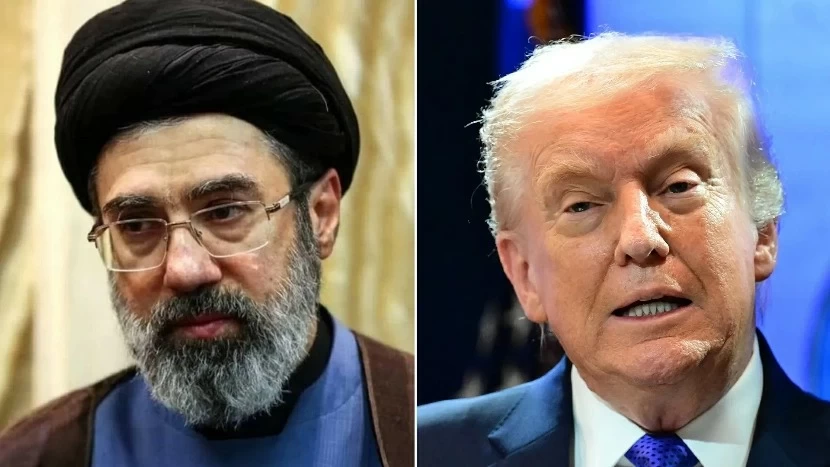
يواجه الرئيس الأمريكي دونالد ترمب لحظة فارقة في التعامل مع الملف الإيراني، وسط مهلة زمنية ضيقة لاتخاذ قرار قد يحدد مسار المنطقة بأكملها؛ فإما تنفيذ تهديداته بتدمير البنية التحتية في إيران، أو منح المفاوضات فرصة جديدة عبر تمديد المهلة.
لماذا يهم الأمر؟
وكان ترمب قد هدد بإمكانية توجيه ضربات واسعة تستهدف الجسور ومحطات الكهرباء داخل إيران، في تصعيد غير مسبوق من شأنه أن يُلحق أضرارًا جسيمة بالمدنيين، ويهدد بإشعال ردود فعل خطيرة على مستوى الإقليم.
ويعمل وسطاء من باكستان ومصر وتركيا على منع هذا السيناريو من خلال التوسط لإبرام اتفاق، أو على الأقل كسب المزيد من الوقت.
جهود وساطة لتفادي التصعيد
ونقل موقع «أكسيوس» عن مسؤول بارز في الإدارة الأمريكية قوله إن قرار التأجيل يبقى مرهونًا بتقدير ترمب الشخصي، مضيفًا: إذا رأى الرئيس أن هناك اتفاقًا يلوح في الأفق، فقد يمنح المفاوضات فرصة.
لكن في المقابل، أبدى مسؤول دفاعي تشككه في إمكانية تمديد المهلة هذه المرة، ما يعكس حالة الانقسام داخل دوائر صنع القرار.
وتعتمد هذه المعلومات على مقابلات مع ستة مسؤولين ومصادر لها معرفة مباشرة بالدبلوماسية الجارية أو تفكير ترمب.
انقسام داخل الإدارة الأمريكية
وتشير تقارير إلى أن ترمب يُعد من أكثر الأصوات تشددًا داخل إدارته تجاه إيران، حيث وصفه أحد المسؤولين بأنه (الأكثر اندفاعًا نحو التصعيد)، مقارنة بمسؤولين آخرين مثل وزير الدفاع بيت هيغسيث ووزير الخارجية ماركو روبيو.
وفي الكواليس، بدأ ترمب في استطلاع آراء مستشاريه بشأن خطة ضرب البنية التحتية، مستخدمًا مصطلحًا لافتًا: «يوم البنية التحتية».
فريق التفاوض مقابل ضغوط الحلفاء
ويدفع فريق ترمب التفاوضي، الذي يضم نائب الرئيس جي دي فانس، ستيف ويتكوف، جاريد كوشنر، باتجاه محاولة التوصل إلى اتفاق سريع إن أمكن.
في المقابل، يمارس حلفاء واشنطن ضغوطًا لعدم التسرع في وقف التصعيد، حيث يحث رئيس الوزراء الإسرائيلي بنيامين نتنياهو، والسيناتور ليندسي غراهام، على عدم قبول أي تهدئة دون تنازلات كبيرة من إيران، مثل التخلي عن اليورانيوم عالي التخصيب.
رد إيراني ومفاوضات بطيئة
يأتي ذلك فيما قدمت إيران ردًا يتضمن 10 نقاط على مقترحات السلام، وصفه مسؤول أمريكي بأنه متشدد، بينما اعتبره البيت الأبيض جزءًا من تكتيك تفاوضي وليس رفضًا نهائيًا.
وأشار الوسطاء إلى أن عملية اتخاذ القرار في إيران تتسم بالبطء، ما قد يستدعي تمديد المهلة لإفساح المجال أمام التفاهمات.
تهديدات مباشرة وتصعيد محتمل
وخلال مؤتمر صحفي، رسم ترمب صورة قاتمة لمستقبل إيران في حال فشل المفاوضات، مؤكدًا أن بلاده تمتلك خطة لتدمير واسع للبنية التحتية خلال ساعات قليلة، لكنه شدد في الوقت نفسه على أن واشنطن لا ترغب في الوصول إلى هذا السيناريو.
وأضاف أن المفاوضات تسير بشكل جيد، وأن هناك طرفًا إيرانيًا مستعدًا للتفاوض بحسن نية.
وأضاف: «لدينا خطة، بفضل قوة جيشنا، بحيث يتم تدمير كل جسر في إيران بحلول منتصف الليل غدًا، وتخرج كل محطة كهرباء عن الخدمة، تحترق وتنفجر ولن تُستخدم مرة أخرى أبدً، أعني تدميرًا كاملاً بحلول الساعة 12، وسيحدث ذلك خلال أربع ساعات إذا أردنا، لكننا لا نريد ذلك».
ماذا بعد؟
على صعيد آخر، كشفت مصادر مطلعة أن خطة مشتركة بين الولايات المتحدة وإسرائيل لضرب منشآت الطاقة في إيران أصبحت جاهزة للتنفيذ، بانتظار القرار النهائي من ترمب.
وفي ظل هذا التوتر، تبقى الساعات القادمة حاسمة، مع ترقب لما ستسفر عنه المهلة المحددة، وما إذا كانت ستقود إلى انفراجة دبلوماسية أم مواجهة عسكرية واسعة.
U.S. President Donald Trump faces a pivotal moment in dealing with the Iranian file, amid a tight deadline to make a decision that could determine the course of the entire region; either to carry out his threats to destroy infrastructure in Iran or to give negotiations a new chance by extending the deadline.
Why does it matter?
Trump had threatened the possibility of launching extensive strikes targeting bridges and power stations inside Iran, in an unprecedented escalation that could cause severe harm to civilians and threaten to ignite dangerous reactions at the regional level.
Mediators from Pakistan, Egypt, and Turkey are working to prevent this scenario by mediating to reach an agreement, or at least buying more time.
Mediation efforts to avoid escalation
The Axios website reported that a senior official in the U.S. administration said that the decision to postpone remains contingent on Trump's personal assessment, adding: If the president sees that an agreement is on the horizon, he may give negotiations a chance.
However, on the other hand, a defense official expressed skepticism about the possibility of extending the deadline this time, reflecting a state of division within decision-making circles.
This information is based on interviews with six officials and sources with direct knowledge of the ongoing diplomacy or Trump's thinking.
Division within the U.S. administration
Reports indicate that Trump is considered one of the most hardline voices within his administration regarding Iran, with one official describing him as (the most impulsive towards escalation), compared to other officials like Defense Secretary Pete Hegseth and Secretary of State Marco Rubio.
Behind the scenes, Trump has begun to gauge his advisors' opinions on the plan to strike infrastructure, using a striking term: "Infrastructure Day."
Negotiation team versus ally pressures
Trump's negotiation team, which includes Vice President JD Vance, Steve Witkoff, and Jared Kushner, is pushing for a quick agreement if possible.
In contrast, Washington's allies are pressuring not to rush into de-escalation, as Israeli Prime Minister Benjamin Netanyahu and Senator Lindsey Graham urge not to accept any easing without significant concessions from Iran, such as abandoning highly enriched uranium.
Iranian response and slow negotiations
This comes as Iran presented a response consisting of 10 points to the peace proposals, which a U.S. official described as hardline, while the White House considered it part of a negotiating tactic rather than a final rejection.
Mediators indicated that the decision-making process in Iran is characterized by slowness, which may necessitate extending the deadline to allow for understandings.
Direct threats and potential escalation
During a press conference, Trump painted a grim picture of Iran's future if negotiations fail, asserting that his country has a plan for extensive destruction of infrastructure within a few hours, but emphasized that Washington does not wish to reach this scenario.
He added that negotiations are going well and that there is an Iranian party willing to negotiate in good faith.
He stated: "We have a plan, thanks to the strength of our military, to destroy every bridge in Iran by midnight tomorrow, and every power station will go offline, burn, and explode and will never be used again, I mean complete destruction by 12 o'clock, and it will happen within four hours if we want, but we don't want that."
What’s next?
On another note, informed sources revealed that a joint plan between the United States and Israel to strike energy facilities in Iran is ready for implementation, awaiting Trump's final decision.
Amid this tension, the coming hours remain critical, with anticipation of what the specified deadline will yield, whether it will lead to a diplomatic breakthrough or a wide military confrontation.