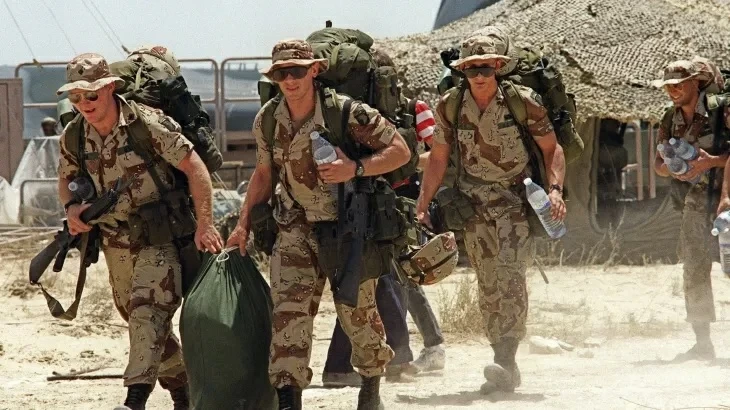
فيما بدأ آلاف الجنود من الفرقة 82 المحمولة جواً الوصول إلى المنطقة، إلى جانب نحو 2,500 من مشاة البحرية «المارينز» الذين وصلوا خلال عطلة نهاية الأسبوع، إضافة إلى مئات من قوات العمليات الخاصة، فتحت واشنطن باب الخيار البري لحسم الحرب على إيران.
وهكذا تجد واشنطن نفسها أمام خيارات عسكرية صعبة ومكلفة في آنٍ، تراوح بين شن ضربات محدودة وتدخل بري واسع، في ظل مخاطر إقليمية كبيرة وحسابات سياسية داخلية دقيقة، الأمر يجعل قرار التصعيد محفوفاً بكثير من المخاطر والتداعيات.
آلاف الجنود وسفينة هجوم برمائي
وبحسب تقرير صحيفة «إسرائيل هيوم»، تشمل الخيارات المطروحة على طاولة الرئيس دونالد ترمب: السيطرة على جزيرة خارك، كسر الحصار في مضيق هرمز، إخراج مخزون إيران من اليورانيوم المخصب، أو تنفيذ موجة أخيرة من الضربات على البنية التحتية للطاقة.
وذكرت وكالة «رويترز»، أن القوة الأمريكية تضم مقر قيادة الفرقة، لواءً مظلياً، ووحدات دعم لوجستي، في حين تنضم هذه القوات إلى آلاف البحّارة وعناصر العمليات الخاصة المنتشرين في المنطقة خلال الأسابيع الماضية.
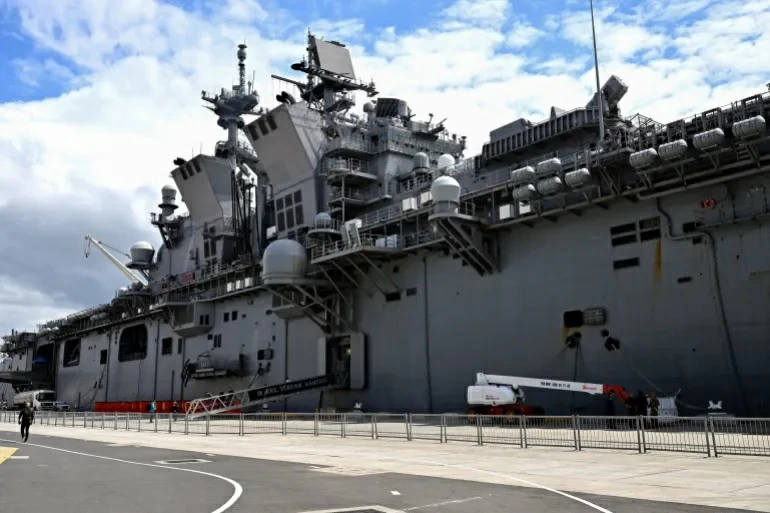
وأعلنت القيادة المركزية الأمريكية وصول سفينة الهجوم البرمائي «تريبولي»، التي تحمل الوحدة الاستكشافية 31 لمشاة البحرية، وتضم نحو 3,500 عنصر، بينهم 2,200 من المارينز، وقد انطلقت من أوكيناوا في اليابان. وتحمل السفينة مقاتلات «إف-35» ومروحيات هجومية ونقل، وتعمل إلى جانب سفينة الدعم «نيو أورلينز».
وتتجه سفينة «بوكسر» إلى المنطقة، وعلى متنها الوحدة الاستكشافية 11 لمشاة البحرية، التي تضم نحو 4,000 عنصر، بينهم 2,500 من المارينز، وقد غادرت سان دييغو قبل موعدها بثلاثة أسابيع، وترافقها سفينتا دعم برمائيتان.
قوات النخبة على الأرض
وتحدثت تقارير عن وصول مئات من قوات العمليات الخاصة، بينهم «رينجرز» الجيش الأمريكي وعناصر من قوات «سيلز» البحرية، إلى الشرق الأوسط. في وقت يدرس البنتاغون إرسال ما يصل إلى 10 آلاف جندي إضافي، ما يرفع عدد القوات البرية قرب إيران إلى أكثر من 17 ألفاً في حال موافقة ترمب.
وتعتبر الفرقة 82 المحمولة جواً من نخبة وحدات المشاة، وتمتلك سجلاً قتالياً يمتد من إنزال النورماندي إلى حربي العراق وأفغانستان، وتتميز بقدرتها على الانتشار خلال 18 ساعة، وتنفيذ عمليات إنزال جوي للسيطرة على المطارات والبنى التحتية الاستراتيجية.
جزيرة النفط.. الهدف الاستراتيجي
وأفادت الصحيفة، بأنه لم يتخذ قرار بعد بشأن نشر قوات برية داخل إيران، لكن السيناريوهات المطروحة تشمل السيطرة على جزيرة خارك، الواقعة على بعد نحو 25 كيلومتراً من الساحل الإيراني، وتُعد شريان النفط الرئيسي للبلاد، إذ تمر عبرها نحو 90 % من صادرات النفط.
ورغم أن السيطرة عليها قد تشكل ضربة قوية للاقتصاد الإيراني، فإنها لا تضمن إعادة فتح مضيق هرمز، في ظل وجود ألغام ودفاعات جوية وقوات برية إيرانية، فضلاً عن خطر الاستهداف المستمر من الأراضي الإيرانية.
كسر حصار مضيق هرمز
ويتمثل الخيار الثاني في كسر الحصار الإيراني على مضيق هرمز، إذ تهدد إيران الملاحة باستخدام الطائرات المسيّرة والصواريخ المضادة للسفن والزوارق غير المأهولة والألغام البحرية، إلا أن التحدي يكمن في الامتداد الواسع للساحل الإيراني وطبيعته الجبلية، إضافة إلى قدرة إيران على تنفيذ ضربات بعيدة المدى من داخل أراضيها.
الاستحواذ على اليورانيوم المخصب
ولفتت «إسرائيل هيوم» إلى أن ملف اليورانيوم المخصب أحد أبرز التحديات، إذ تمتلك إيران ما بين 440 و460 كيلوغراماً بنسبة 60%، وهو ما يكفي بعد تخصيب إضافي لإنتاج نحو 12 رأساً نووياً. وتشير المعطيات إلى أن هذه المواد مخزنة داخل منشآت تحت الأرض في أصفهان، ورغم استهداف مداخلها، فإن المنشأة نفسها لم تتعرض لأضرار كبيرة.
وتبحث واشنطن في تنفيذ عملية عسكرية لاستخراج هذه المواد، لكن المهمة تبدو معقدة وتتطلب إدخال قوات كبيرة إلى عمق الأراضي الإيرانية، وإدارة عمليات هندسية دقيقة تحت نيران محتملة.
خيار الضربة الأخيرة
ويتحدث السيناريو الأخير عن شن موجة أخيرة «مدمرة» من الضربات، تستهدف، بحسب تهديد ترمب، محطات الطاقة وحقول النفط وجزيرة خارك وربما منشآت تحلية المياه. وسبق أن أجل الرئيس ترمب هذا الخيار مرتين، وهو ما يكشف الحذر من تداعياته.
As thousands of soldiers from the 82nd Airborne Division began arriving in the area, along with about 2,500 Marines who arrived over the weekend, in addition to hundreds of special operations forces, Washington opened the door to a ground option to resolve the war with Iran.
Thus, Washington finds itself facing difficult and costly military options that range from launching limited strikes to a wide ground intervention, amid significant regional risks and delicate internal political calculations, making the decision to escalate fraught with many risks and repercussions.
Thousands of Soldiers and an Amphibious Assault Ship
According to a report by the newspaper "Israel Hayom," the options on President Donald Trump's table include: seizing Khark Island, breaking the blockade in the Strait of Hormuz, removing Iran's stockpile of enriched uranium, or carrying out a final wave of strikes on energy infrastructure.
Reuters reported that the American force includes the division's command headquarters, an airborne brigade, and logistical support units, while these forces join thousands of sailors and special operations personnel who have been deployed in the region over the past weeks.
The U.S. Central Command announced the arrival of the amphibious assault ship "Tripoli," which carries the 31st Marine Expeditionary Unit, consisting of about 3,500 personnel, including 2,200 Marines, and it departed from Okinawa, Japan. The ship carries F-35 fighters and attack and transport helicopters, and operates alongside the support ship "New Orleans."
The "Boxer" ship is heading to the region, carrying the 11th Marine Expeditionary Unit, which includes about 4,000 personnel, including 2,500 Marines, and it left San Diego three weeks ahead of schedule, accompanied by two amphibious support ships.
Elite Forces on the Ground
Reports have indicated the arrival of hundreds of special operations forces, including U.S. Army Rangers and Navy SEALs, to the Middle East. Meanwhile, the Pentagon is considering sending up to 10,000 additional troops, which would raise the number of ground forces near Iran to more than 17,000 if Trump approves.
The 82nd Airborne Division is considered one of the elite infantry units, with a combat record that extends from the Normandy landings to the wars in Iraq and Afghanistan, and is distinguished by its ability to deploy within 18 hours and conduct airborne operations to seize airports and strategic infrastructure.
The Oil Island.. The Strategic Target
The newspaper reported that no decision has yet been made regarding the deployment of ground forces inside Iran, but the proposed scenarios include seizing Khark Island, located about 25 kilometers from the Iranian coast, which is the country's main oil artery, as about 90% of oil exports pass through it.
Although controlling it could deal a significant blow to the Iranian economy, it does not guarantee the reopening of the Strait of Hormuz, given the presence of mines, air defenses, and Iranian ground forces, as well as the ongoing risk of being targeted from Iranian territory.
Breaking the Blockade of the Strait of Hormuz
The second option is to break the Iranian blockade of the Strait of Hormuz, as Iran threatens navigation using drones, anti-ship missiles, unmanned boats, and naval mines. However, the challenge lies in the extensive and mountainous nature of the Iranian coastline, in addition to Iran's ability to carry out long-range strikes from within its territory.
Seizing Enriched Uranium
"Israel Hayom" pointed out that the issue of enriched uranium is one of the most prominent challenges, as Iran possesses between 440 and 460 kilograms at a purity of 60%, which is sufficient, after further enrichment, to produce about 12 nuclear warheads. Data indicates that these materials are stored in underground facilities in Isfahan, and although entrances have been targeted, the facility itself has not suffered significant damage.
Washington is considering carrying out a military operation to extract these materials, but the mission appears complicated and requires deploying large forces deep into Iranian territory and managing precise engineering operations under potential fire.
The Option of the Final Strike
The final scenario discusses launching a "devastating" final wave of strikes targeting, according to Trump's threats, power stations, oil fields, Khark Island, and possibly desalination facilities. Trump has previously postponed this option twice, revealing caution about its repercussions.