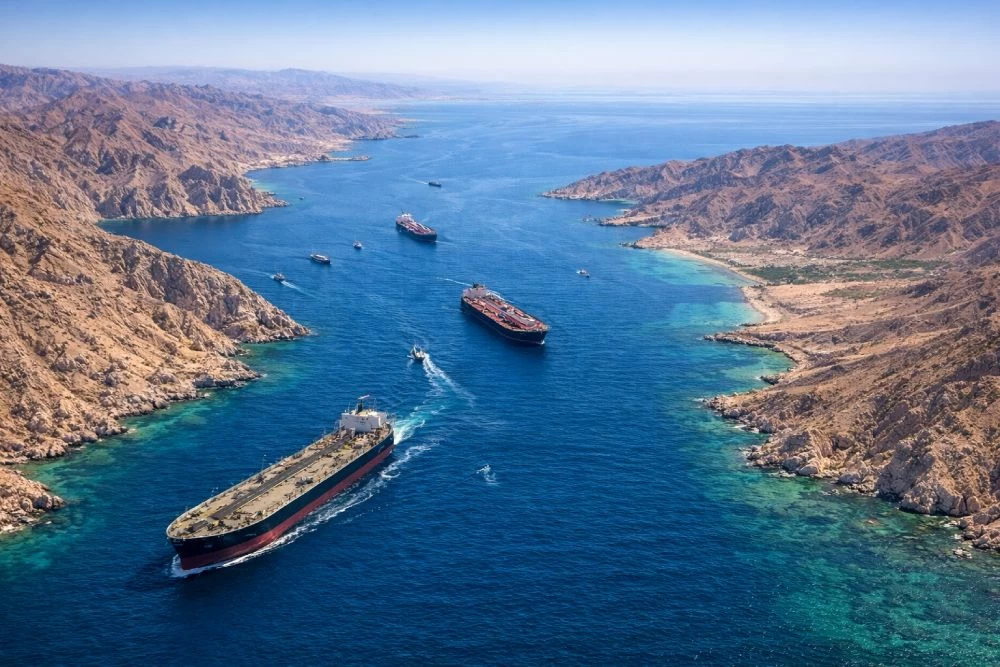
كشفت صحيفة «وول ستريت جورنال»، أن الرئيس الأمريكي دونالد ترمب أبلغ معاونيه باستعداده لإنهاء الحملة العسكرية على إيران، حتى مع استمرار إغلاق مضيق هرمز جزئياً، مؤجلاً أي تحرك لإعادة فتحه إلى مرحلة لاحقة نظراً لتعقيدات العملية.
وبحسب التقرير، الذي استند إلى ثلاثة مسؤولين في الإدارة الأمريكية، فإن هذا التوجه يعكس مقاربة جديدة تفصل بين إنهاء العمليات العسكرية والتعامل مع أزمة الملاحة في المضيق. في المقابل، لم تتمكن «رويترز» من التحقق بشكل مستقل من صحة هذه المعلومات.
طهران ترفع سقف المواجهة
في المقابل، صعّدت إيران من خطواتها المرتبطة بالمضيق، إذ أعلن التلفزيون الرسمي موافقة لجنة برلمانية على خطة لفرض رسوم على السفن العابرة لمضيق هرمز، في خطوة تحمل أبعاداً اقتصادية وسيادية.
وأوضح عضو في اللجنة الأمنية أن الخطة تشمل ترتيبات مالية وآليات تحصيل بالريال الإيراني، إلى جانب تعزيز ما وصفه بـ«الدور السيادي» لطهران، مع الإشارة إلى تنسيق محتمل مع سلطنة عُمان في إدارة الجانب الآخر من المضيق.
قيود بحرية وتصعيد سياسي
ولم تقتصر الإجراءات المقترحة على الرسوم، بل امتدت لتشمل منع السفن الأمريكية والإسرائيلية من العبور، إضافة إلى حظر مرور سفن دول تفرض عقوبات على إيران، ما يفتح الباب أمام تصعيد أوسع في الممر الملاحي الأهم عالمياً.
اضطراب الأسواق العالمية
وأدى شبه الشلل في مضيق هرمز، الذي يمر عبره نحو خُمس إمدادات النفط العالمية، إلى ارتفاع حاد في أسعار المحروقات، وسط اضطراب متزايد في سلاسل الإمداد العالمية، ما يعكس حجم التأثير المباشر للتوترات الجيوسياسية على الاقتصاد الدولي.
The Wall Street Journal revealed that U.S. President Donald Trump informed his aides of his readiness to end the military campaign against Iran, even as the Strait of Hormuz remains partially closed, postponing any move to reopen it to a later stage due to the complexities of the process.
According to the report, which was based on three officials in the U.S. administration, this approach reflects a new strategy that separates the end of military operations from dealing with the navigation crisis in the strait. In contrast, Reuters was unable to independently verify the accuracy of this information.
Tehran Raises the Stakes
In contrast, Iran has escalated its actions related to the strait, as state television announced the approval of a parliamentary committee for a plan to impose fees on ships passing through the Strait of Hormuz, a move that carries economic and sovereign implications.
A member of the security committee explained that the plan includes financial arrangements and collection mechanisms in Iranian rials, alongside enhancing what he described as Tehran's "sovereign role," with a mention of potential coordination with Oman in managing the other side of the strait.
Maritime Restrictions and Political Escalation
The proposed measures were not limited to fees but also included preventing U.S. and Israeli ships from passing, in addition to banning the passage of ships from countries that impose sanctions on Iran, which opens the door to broader escalation in the world's most important maritime corridor.
Global Market Turmoil
The near paralysis in the Strait of Hormuz, through which about one-fifth of global oil supplies pass, has led to a sharp rise in fuel prices, amid increasing disruptions in global supply chains, reflecting the extent of the direct impact of geopolitical tensions on the international economy.