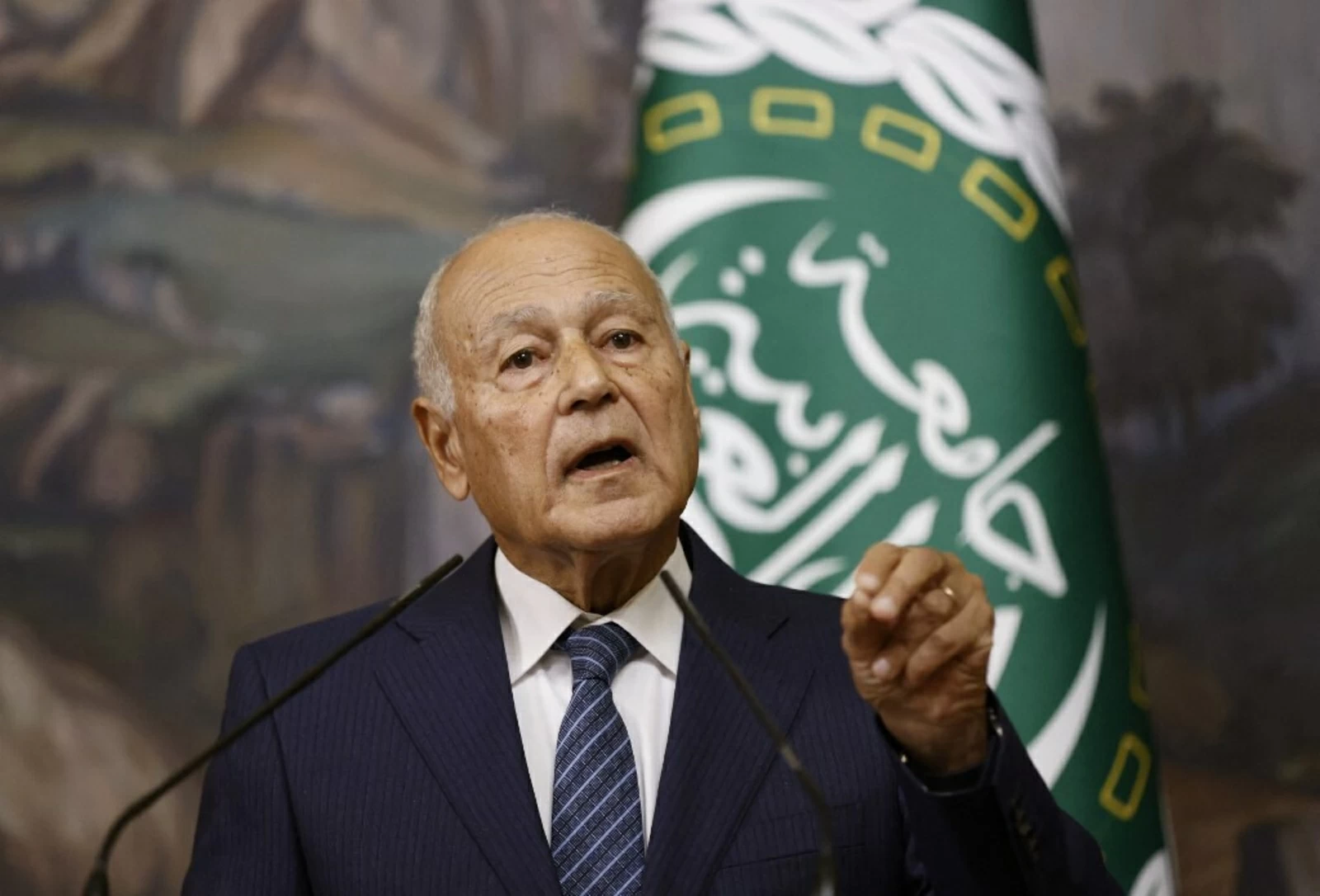
أكد الأمين العام لجامعة الدول العربية أحمد أبو الغيط أن المنطقة تمر بلحظة استثنائية في تاريخها وفي تاريخ العمل العربي المشترك، واصفاً تلك اللحظة بأنها «لا مجال فيها إلا للصوت الموحد الجماعي والرسائل الواضحة التي لا تقبل التأويل أو الالتباس».
وقال أبو الغيط خلال كلمته في أعمال اجتماع مجلس الجامعة العربية على المستوى الوزاري في دورته العادية الـ165 بشأن استهداف سلامة وسيادة أراضي الدول العربية التي تعرضت لاعتداءات إيرانية: اليوم (الأحد): «إننا نقف صفاً واحداً متراصاً في تأكيد وتكرار إدانة ورفض الاعتداءات الإيرانية على دول عربية ذات سيادة، لا يمكن القبول بانتهاك أراضيها أو استهداف مقدراتها أو ترويع مواطنيها المدنيين».
وأضاف أن «أي عربي يعتز بعروبته لا يقبل بهذا العدوان الآثم والجبان تحت أي ذريعة»، مشيراً إلى أن بعض الذرائع تُدس عمداً لخلط الأوراق، بمحاولة تصوير الاعتداء على الدول العربية كجزء من مواجهة إسرائيل، مشدداً على أن من سلك هذا الطريق سابقاً انتهى به الحال إلى تدمير دوله دون تقديم أي إسناد حقيقي لقضية فلسطين.
وتابع: «ولو كان ما يدعونه صحيحاً لما رأينا الأغلبية الساحقة من المسيّرات والصواريخ الغاشمة تستهدف دولاً عربية ومقدرات عربية، ومساكن الآمنين، وفنادق، وأعياناً مدنية، ومرافق بنية تحتية».
وشدد أبو الغيط على أن هذه اعتداءات متعمدة وليست عشوائية، تصدر ممن «فقد البوصلة وضل سواء السبيل، فلم يحفظ للجيرة حقها، ولم يراعِ للأخوة الإسلامية ما تقتضيه من حقوق، بل قابل الإحسان بالبغضاء والعداوة والغدر».
ودعا أبو الغيط إلى وقف فوري لهذه الاعتداءات الإيرانية تطبيقاً لقرار مجلس الأمن رقم 2817، ووقف التهديدات التي تعرقل الملاحة عبر مضيق هرمز.
وأكد وقوف الجامعة العربية مع حق الدول المستهدفة في الدفاع عن نفسها فردياً أو جماعياً، معتبراً أن هذه الاعتداءات وتهديد حرية الملاحة يمثلان تهديداً للأمن والسلم الدوليين، ويتطلبان موقفاً دولياً أكثر صرامة يعكس الإجماع الرافض لـ«الابتزاز» الذي تمارسه طهران.
وختم أبو الغيط كلمته بالتأكيد على دور جامعة الدول العربية كمنصة لا غنى عنها ولا بديل لها لإجراء حوار عربي-عربي جاد حول أخطر قضايا الأمن القومي العربي، داعياً إلى تعميق هذا الحوار بشفافية وجدية كاملتين بعد استعادة الاستقرار في الإقليم، للوصول إلى مفهوم عملي موحد لمواجهة التهديدات، انطلاقاً من نية صادقة.
The Secretary-General of the Arab League, Ahmed Aboul Gheit, confirmed that the region is going through an exceptional moment in its history and in the history of Arab joint action, describing this moment as one where "there is no room except for a unified collective voice and clear messages that do not allow for interpretation or ambiguity."
Aboul Gheit stated during his speech at the meeting of the Arab League Council at the ministerial level in its 165th ordinary session regarding the targeting of the safety and sovereignty of Arab states that have been subjected to Iranian attacks: today (Sunday): "We stand united in affirming and reiterating our condemnation and rejection of Iranian attacks on sovereign Arab states. We cannot accept the violation of their territories, the targeting of their resources, or the terrorizing of their civilian citizens."
He added that "any Arab who takes pride in their Arab identity cannot accept this heinous and cowardly aggression under any pretext," pointing out that some pretexts are deliberately introduced to mix the issues, attempting to portray the aggression against Arab states as part of a confrontation with Israel, emphasizing that those who have taken this path in the past ended up destroying their own countries without providing any real support for the Palestinian cause.
He continued: "If what they claim were true, we would not have seen the overwhelming majority of drones and brutal missiles targeting Arab states, Arab resources, the homes of the safe, hotels, civilian entities, and infrastructure facilities."
Aboul Gheit stressed that these are deliberate attacks, not random ones, coming from those who "have lost their way and strayed from the right path, failing to uphold the rights of neighborliness and disregarding the rights that Islamic brotherhood entails, instead responding to kindness with enmity, animosity, and treachery."
Aboul Gheit called for an immediate halt to these Iranian attacks in implementation of Security Council Resolution 2817, and for an end to the threats that hinder navigation through the Strait of Hormuz.
He affirmed the Arab League's support for the right of the targeted states to defend themselves individually or collectively, considering that these attacks and the threats to freedom of navigation represent a threat to international peace and security, requiring a more stringent international stance that reflects the consensus rejecting the "blackmail" practiced by Tehran.
Aboul Gheit concluded his speech by emphasizing the role of the Arab League as an indispensable platform for conducting serious Arab-Arab dialogue on the most critical issues of Arab national security, calling for the deepening of this dialogue with complete transparency and seriousness after stability is restored in the region, to reach a unified practical concept for confronting threats, starting from a sincere intention.