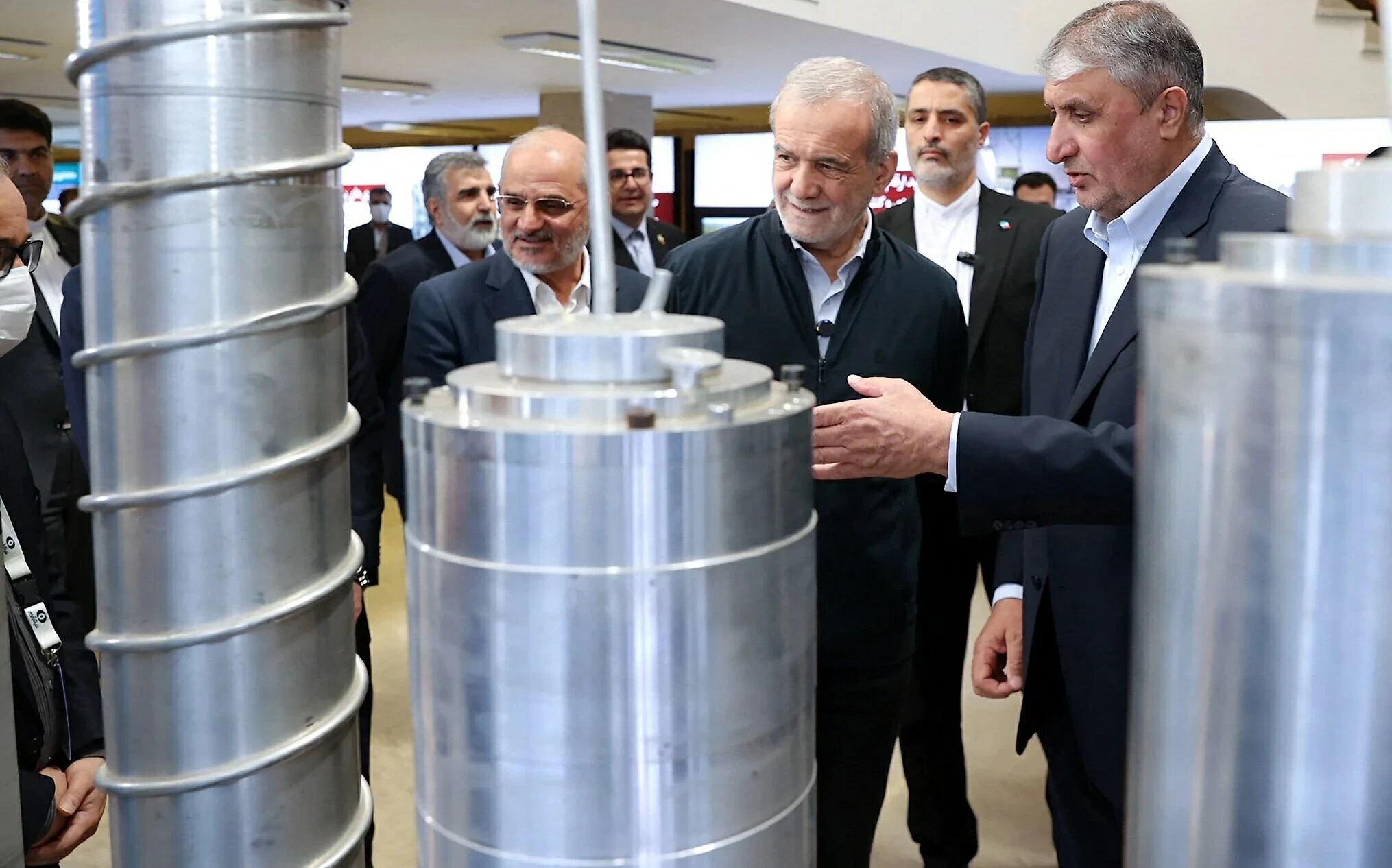
فيما دخلت الحرب مرحلة أكثر غموضاً، تدرس الإدارة الأمريكية عدة خيارات من بينها عملية برية لتأمين المواد النووية الإيرانية أو إخراجها، وفق ما نقلت شبكة CBS News عن عدة مصادر مطلعة.
لا قرار من ترمب حتى الآن
ولا يزال توقيت أي عملية محتملة، إذا قرر الرئيس الأمريكي دونالد ترمب إصدار أمر بتنفيذها، غير واضح، ح إذ أكدت المصادر أنه «لم يُتخذ أي قرار حتى الآن».
وركّزت خطط الإدارة الأمريكية على احتمال نشر قوات من قيادة العمليات الخاصة المشتركة، وهي وحدة عسكرية نخبوية تُكلَّف عادة بأكثر المهام حساسية، خصوصا تلك المرتبطة بمنع انتشار الأسلحة النووية، بحسب مصدرين تحدثا إلى الشبكة.
واعتبرت متحدثة باسم البيت الأبيض أن مهمة التحضير لمثل هذه العمليات تقع على عاتق وزارة الحرب، فيما لم يصدر تعليق فوري من البنتاغون.
استعادة مخزون اليورانيوم
وبحسب الوكالة الدولية للطاقة الذرية، خزّنت إيران، حتى الصيف الماضي، نحو 972 رطلاً من اليورانيوم المخصب بنسبة 60%، وهي نسبة قريبة من مستوى الاستخدام العسكري، ولا يزال جزء كبير من هذه المواد مخبأ تحت مواقع نووية تعرّضت للقصف خلال عملية أميركية سابقة.
وأفاد مسؤولون أمريكيون أن إدارة ترمب لم تستبعد محاولة استعادة مخزونات إيران من اليورانيوم عالي التخصيب ضمن الحملة العسكرية الحالية. وقالت المتحدثة باسم البيت الأبيض كارولين ليفيت إن هذا الخيار «مطروح على الطاولة».
لكن أي عملية من هذا النوع ستكون شاقة ومحفوفة بالمخاطر. وقال المدير العام للوكالة الدولية للطاقة الذرية رافائيل غروسي، إن التعامل مع غاز سداسي فلوريد اليورانيوم عالي التخصيب «صعب للغاية»، لافتا إلى أن تنفيذ مثل هذه المهمة، رغم أنه ليس مستحيلًا، يتطلب قدرات عسكرية وتقنية كبيرة وسيكون معقداً للغاية.
وأضاف أن إيران دولة كبيرة جداً ولديها قاعدة صناعية، مشدداً على أنه بعد انتهاء القتال سيكون من مصلحة جميع الأطراف استئناف المفاوضات الدبلوماسية لمعالجة المخاوف بشأن البرنامج النووي.
تغطية مداخل الأنفاق
وأوضحت CBS NEWS أن صوراً التقطتها الأقمار الاصطناعية تشير إلى أن إيران قامت بتغطية مداخل الأنفاق في أحد المواقع النووية بكميات كبيرة من التراب، بحسب الخبير النووي ورئيس معهد العلوم والأمن الدولي ديفيد ألبرايت، ما يعني أن أي عملية عسكرية للوصول إلى اليورانيوم عالي التخصيب قد تتطلب وقتاً أطول على الأرض.
وأضاف ألبرايت خلال عرض قدمه الأسبوع الماضي، أن وزن الأسطوانات السميكة التي تحتوي على اليورانيوم عالي التخصيب قد يختلف بحسب الكمية التي تحتويها، مبيناً أنه إذا كانت الأسطوانة تحتوي على 25 كيلوجراماً، فقد يصل وزنها إلى نحو 100 رطل مع الغلاف الصلب الذي يمنع أي تسرب.
خطوات محتملة قادمة
وقدرت أجهزة الاستخبارات الأمريكية في الربيع الماضي، أن إيران لا تسعى إلى تطوير سلاح نووي، في حين تؤكد طهران أن برنامجها النووي مخصص للأغراض السلمية فقط. إلا أن تخصيب اليورانيوم بنسبة 60%، وهي نسبة تفوق احتياجات الاستخدامات المدنية، يثير قلقاً دولياً، خصوصا أن إيران تُعد الدولة الوحيدة غير المالكة لسلاح نووي التي بلغت هذا المستوى، وفقاً للوكالة الدولية للطاقة الذرية.
ومنذ اندلاع الحرب، وضع ترمب هدف منع إيران من امتلاك سلاح نووي ضمن أولوياته، غير أنه دفع باتجاه وقف تخصيب اليورانيوم بشكل كامل، بما في ذلك عند المستويات المنخفضة، وهو ما رفضته إيران.
وكانت شبكة CBS NEWS، ذكرت في وقت سابق، أن وزارة الحرب الأمريكية (البنتاغون) أعدت خيارات للرئيس كخطوات محتملة قادمة في الحرب على إيران.
وذكرت أنه بعد الضربات العسكرية الأمريكية على 3 مواقع نووية إيرانية في يونيو الماضي، أفادت الوكالة الدولية للطاقة الذرية بأنها لم تتمكن من تحديد مكان نحو 400 كيلوجرام من اليورانيوم عالي التخصيب الذي كانت إيران تمتلكه قبل الضربات.
As the war enters a more ambiguous phase, the U.S. administration is considering several options, including a ground operation to secure or remove Iranian nuclear materials, according to CBS News, citing several informed sources.
No decision from Trump yet
The timing of any potential operation, should President Donald Trump decide to order it, remains unclear, as sources confirmed that "no decision has been made yet."
The U.S. administration's plans have focused on the possibility of deploying forces from the Joint Special Operations Command, an elite military unit typically tasked with the most sensitive missions, particularly those related to preventing the proliferation of nuclear weapons, according to two sources who spoke to the network.
A White House spokesperson stated that the responsibility for preparing such operations lies with the Department of Defense, while no immediate comment was made by the Pentagon.
Recovering uranium stockpiles
According to the International Atomic Energy Agency, Iran had stored about 972 pounds of uranium enriched to 60% as of last summer, a level close to military use, and a large portion of these materials remains hidden under nuclear sites that were bombed during a previous U.S. operation.
U.S. officials reported that the Trump administration has not ruled out attempting to recover Iran's stockpiles of highly enriched uranium as part of the current military campaign. White House spokesperson Caroline Levitt stated that this option is "on the table."
However, any operation of this kind would be arduous and fraught with risks. Rafael Grossi, the Director General of the International Atomic Energy Agency, stated that dealing with highly enriched uranium hexafluoride gas is "extremely difficult," noting that carrying out such a mission, while not impossible, requires significant military and technical capabilities and would be very complex.
He added that Iran is a very large country with an industrial base, emphasizing that after the fighting ends, it would be in the interest of all parties to resume diplomatic negotiations to address concerns regarding the nuclear program.
Covering tunnel entrances
CBS NEWS reported that satellite images indicate that Iran has covered the entrances to tunnels at one of its nuclear sites with large amounts of earth, according to nuclear expert and President of the Institute for Science and International Security David Albright, meaning that any military operation to access highly enriched uranium may require more time on the ground.
Albright added during a presentation last week that the weight of the thick cylinders containing highly enriched uranium may vary depending on the quantity they hold, indicating that if a cylinder contains 25 kilograms, it could weigh around 100 pounds with the solid casing that prevents any leakage.
Possible upcoming steps
U.S. intelligence agencies estimated last spring that Iran is not seeking to develop a nuclear weapon, while Tehran insists that its nuclear program is intended solely for peaceful purposes. However, the enrichment of uranium to 60%, a level exceeding civilian usage needs, raises international concerns, especially since Iran is the only non-nuclear-armed state that has reached this level, according to the International Atomic Energy Agency.
Since the outbreak of the war, Trump has made it a priority to prevent Iran from acquiring a nuclear weapon, yet he has pushed for a complete halt to uranium enrichment, including at low levels, which Iran has rejected.
CBS NEWS previously reported that the U.S. Department of Defense (the Pentagon) has prepared options for the president as potential upcoming steps in the war against Iran.
It noted that after the U.S. military strikes on three Iranian nuclear sites last June, the International Atomic Energy Agency reported that it had been unable to locate about 400 kilograms of highly enriched uranium that Iran possessed before the strikes.