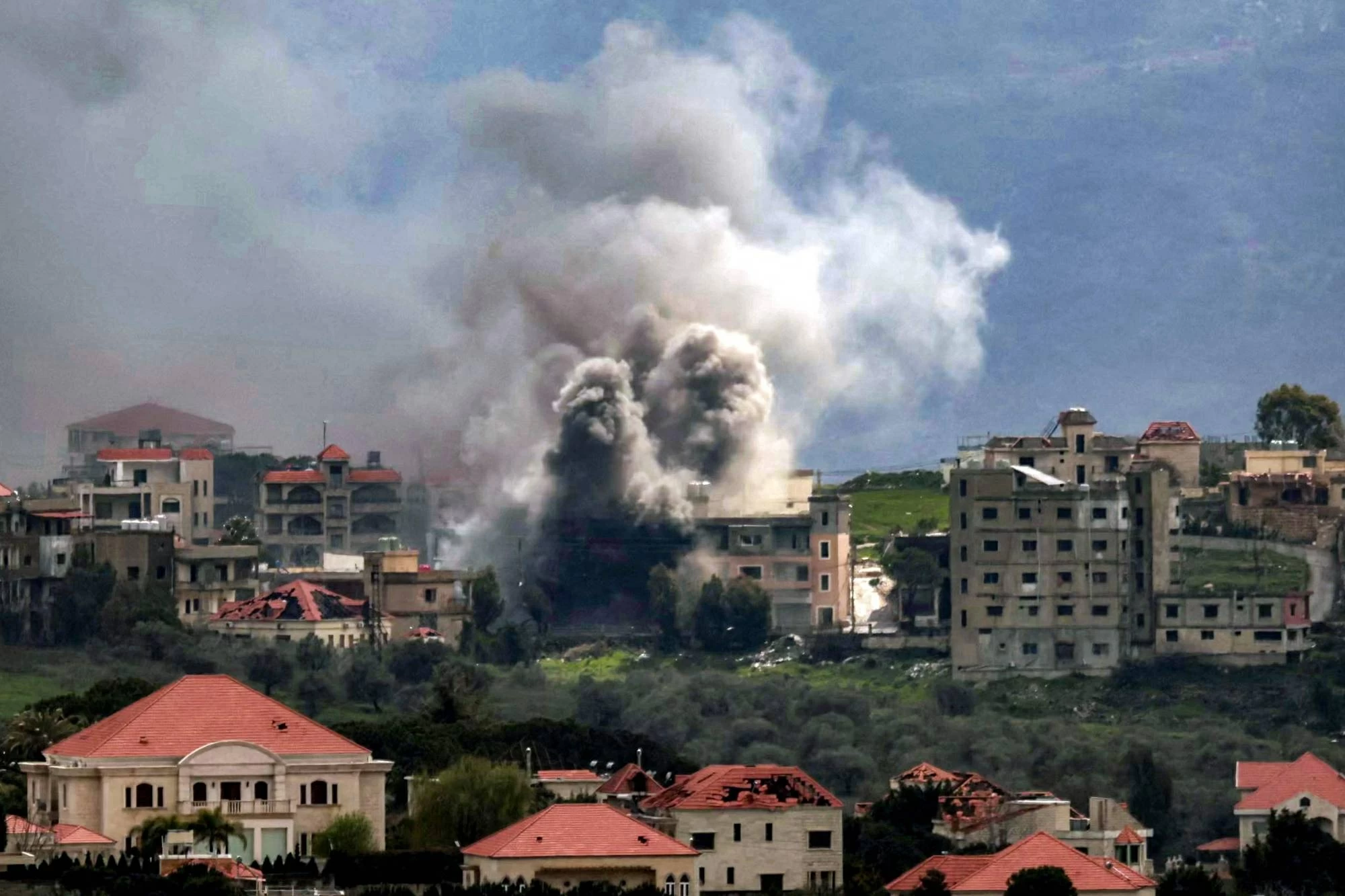
في مشهد يلفُّه الغموض، تتراكم الإشارات المتناقضة حول مسار التفاوض بين لبنان وإسرائيل، دون أن تتضح بعد معالم الطريق نحو التهدئة. لا مفاوضات فعلية بدأت، ولا الحرب تقترب من نهايتها، فيما تتقدم الوقائع ببطء، محمَّلة برسائل سياسية تتجاوز ظاهرها. في هذا الفراغ الملتبس، لا يبدو أن التعطيل مجرد نتيجة، بل جزء من إدارة مقصودة للمسار، حيث تختلط الضبابية بالتشدد، ويُترك الباب موارباً أمام احتمالات متناقضة.
التفاوض كأداة مكمّلة للحرب لا تتعامل إسرائيل مع ملف التفاوض كمسار لوقف النزيف، بل كأداة مكملة للآلة العسكرية. فبدل أن تفتح باباً جدياً للحلول، تعمد إلى تفخيخ هذا المسار بسلسلة شروط وتسريبات تجعل من أي طاولة حوار محتملة «حقلاً للألغام»، لا أرضاً صالحة للتسوية. ولعل ما صرّح به وزير الخارجية الإسرائيلي جدعون ساعر برفض التفاوض مع الدولة اللبنانية، يختصر هذا التوجّه، فبوابة السياسة في العقل الإسرائيلي الحالي لا تُفتح إلا بمفاتيح «الميدان» وإملاءاته.
المؤشرات المتراكمة تفيد بأن تل أبيب لا تستعجل الجلوس إلى الطاولة، بل تسعى لتحسين موقعها الجيوسياسي أولاً. لذا، نراها تعطل المبادرات وترفض القنوات الرسمية، وتلوح بسقوف مرتفعة تصل إلى حد المطالبة بإعادة صياغة هوية العلاقة مع لبنان بالكامل. وفي هذا السياق، يتحول التفاوض من وسيلة لإنهاء المعركة إلى «جبهة ثانية» تُدار فيها المواجهة بالضغط النفسي والسياسي.
لعبة التناقضات و«الألغام»
تعتمد إسرائيل أسلوباً مزدوجاً: ضغط ميداني كاسح، وضخّ إعلامي مضلل. تسريبات عن «اتفاقات سلام» أو «انضمام لاتفاقات إبراهيمية» عبر منصات دولية مثل (أكسيوس)، تهدف بالدرجة الأولى إلى إرباك الداخل اللبناني ودفعه نحو الانقسام. هذا الأسلوب ليس مجرد (بروباغندا)، بل هو إستراتيجية «المرونة المفخخة» التي يتبعها بنيامين نتنياهو، والتي يمكن تلخيص ألغامها في خمس نقاط وهي:
اللغم الأيديولوجي: بتكليف المتشدد رون ديرمر بملف لبنان، لإرسال رسائل مخادعة للإدارة الأمريكية ورفع سقف الشروط السياسية.
لغم السيادة: تسريب مطالب تعجيزية مثل «الاعتراف بإسرائيل» لضرب صدقية الدولة اللبنانية وإحراجها شعبياً.
اللغم العسكري: الدفع بتعزيزات هجومية (لواء غولاني والفرق 98 و36) بالتزامن مع الحديث عن الدبلوماسية، لتأكيد أن «النار» هي المحرك الوحيد.
التضليل الدبلوماسي: نشر مواعيد وهمية لاجتماعات تفاوضية -كما فعلت (هآرتس)- لإظهار الجانب اللبناني بمظهر المعرقل.
التفاوض تحت التهديد: الإصرار على استمرار العمليات العسكرية أثناء البحث في الأوراق السياسية لانتزاع تنازلات سيادية «تحت الضغط».
عناوين ما بعد الحرب: الجغرافيا الجديدة
في العمق، تسعى إسرائيل لفرض ثلاثة عناوين إستراتيجية: أمنياً؛ إنشاء منطقة عازلة جنوب الليطاني تضمن تغيير قواعد الاشتباك جذرياً. سياسياً؛ محاولة تقليص الحضور الفاعل لحزب الله في مفاصل الدولة. ودبلوماسياً؛ الدفع نحو علاقات مباشرة تبدأ بفتح مكاتب تمثيلية، وهو ما تروج له تل أبيب تحت مسمى «اتفاق سلام» لرفع سقف التفاوض إلى أقصى حدوده.
لكن السؤال الجوهري: هل تملك إسرائيل القدرة على ترجمة هذه الطموحات؟ الواقع أن تل أبيب تدرك أن الضغط السياسي لا يكفي لانتزاع تنازلات سيادية ما لم يقترن بفرض حقائق جغرافية تحت النار ومن هنا، نفهم الإصرار الإسرائيلي على التوغل في محاور «الخيام»، «وادي السلوقي»، و«مثلث القوزح»، حيث تحاول تحويل القوة النارية إلى أوراق ضغط رابحة.
الفراغ الدولي وغياب الضمانات
لا شك أن إسرائيل تستفيد من ضبابية الموقف الأمريكي الذي يبدو في مرحلة انتقالية تمنح نتنياهو ضوءاً أخضر ضمنياً لاستكمال أهدافه العسكرية. ففي وقت يغيب فيه الضامن الدولي الفاعل والقادر على لجم التغوّل الميداني، يجد لبنان نفسه وحيداً في مواجهة الشروط الإسرائيلية. هذا الفراغ في الضمانات الدولية هو ما يجعل المبادرات اللبنانية، رغم واقعيتها تبدو وكأنها تدور في حلقة مفرغة، إذ لا يكفي أن يمتلك لبنان الرسمي تصوراً للحل، ما لم يقابله ضغط خارجي يجبر تل أبيب على مغادرة منطق الإملاءات.
بين محاولات «الإطفاء» ونيران «الارتهان»
في مشهد سريالي، تبدو الدولة اللبنانية اليوم كمن يحاول إطفاء حريق هائل بـ«أدوات ورقية»، حيث تتصادم المساعي الرسمية للرئيس اللبناني جوزيف عون ورئيس الحكومة نواف سلام مع جدار صلب من الاستعصاء الداخلي والارتهان الخارجي. فبينما يجهد لبنان لانتزاع تفاوض يحمي ما تبقى من السيادة، يبرز موقف الرئيس نبيه بري كفرملة مذهبية ترهن تشكيل الوفد المفاوض بشروط تعجيزية، مما يعمق حالة الشلل المؤسساتي ويترك البلاد بلا غطاء دبلوماسي حقيقي.
هذا الاستعصاء السياسي يتقاطع موضوعياً مع الأجندة الميدانية، إذ يواصل حزب الله المضي في إستراتيجية الاستنزاف التي تحولت عملياً إلى مسار انتحاري لا يخدم سوى مشروع وحدة المسارات. إن إصرار الحزب على مصادرة قرار الحرب والسلم وربط مصير اللبنانيين بخرائط نفوذ طهران، لم يؤد سوى إلى تهديم مقومات البلاد وتحويل بيئته واللبنانيين جميعاً إلى وقود لمعركة لا تملك فيها بيروت كلمة الفصل. وبين تعنت بري في السياسة وانخراط الحزب في محرقة المساندة الإقليمية، تتبخر هوامش المناورة الرسمية، ويُدفع بلبنان قسراً نحو انكشاف كامل أمام الألغام الإسرائيلية.
إن ما يشهده لبنان ليس معركة الدفاع عن لبنان، بل هو اشتباك إقليمي بالوكالة يُخاض بأدوات لبنانية فوق جغرافيا مستنزفة. حيث تراهن إسرائيل على انحلال الدولة وتفكك موقفها الرسمي لفرض شروط «اليوم التالي». وبين الألغام السياسية والضغوط الميدانية، يبقى الحسم معلقاً في مكان واحد: حيث تقرر فوهات المدافع حدود التنازلات الممكنة، في مواجهة مشروع إسرائيلي لا يبدو أنه سيكتفي بضمانات أمنية بسيطة، بل يطمح لتغيير وجه المنطقة بالكامل.
In a scene shrouded in ambiguity, contradictory signals accumulate regarding the negotiation path between Lebanon and Israel, with the roadmap towards de-escalation still unclear. No actual negotiations have begun, nor is the war nearing its end, while events unfold slowly, laden with political messages that go beyond their surface. In this ambiguous void, it seems that the stalemate is not merely a result, but part of a deliberate management of the process, where opacity mixes with rigidity, leaving the door ajar for contradictory possibilities.
Negotiation as a Complementary Tool to War Israel does not treat the negotiation file as a path to stop the bleeding, but as a complementary tool to the military machine. Instead of opening a serious door for solutions, it deliberately booby-traps this path with a series of conditions and leaks that turn any potential dialogue table into a "minefield," not a fertile ground for settlement. Perhaps what Israeli Foreign Minister Gideon Sa'ar stated about refusing to negotiate with the Lebanese state encapsulates this approach, as the gateway to politics in the current Israeli mindset only opens with the keys of "the field" and its dictates.
The accumulated indicators suggest that Tel Aviv is not in a hurry to sit at the table, but rather seeks to improve its geopolitical position first. Thus, we see it obstructing initiatives, rejecting official channels, and hinting at high ceilings that reach the point of demanding a complete redefinition of the relationship with Lebanon. In this context, negotiation transforms from a means to end the battle into a "second front" where confrontation is managed through psychological and political pressure.
The Game of Contradictions and "Mines"
Israel employs a dual approach: sweeping field pressure and misleading media propaganda. Leaks about "peace agreements" or "joining Abraham Accords" through international platforms like (Axios) aim primarily to confuse the Lebanese interior and push it towards division. This approach is not merely (propaganda), but rather a strategy of "booby-trapped flexibility" followed by Benjamin Netanyahu, which can be summarized in five points:
The ideological mine: assigning the hardliner Ron Dermer to the Lebanon file to send deceptive messages to the American administration and raise the ceiling of political conditions.
The sovereignty mine: leaking impossible demands such as "recognizing Israel" to undermine the credibility of the Lebanese state and embarrass it publicly.
The military mine: pushing for offensive reinforcements (Golani Brigade and divisions 98 and 36) simultaneously with discussions about diplomacy, to confirm that "fire" is the only driver.
The diplomatic deception: spreading false dates for negotiation meetings - as (Haaretz) did - to portray the Lebanese side as the obstructer.
Negotiation under threat: insisting on continuing military operations while discussing political papers to extract sovereign concessions "under pressure."
Post-War Headlines: The New Geography
At its core, Israel seeks to impose three strategic headlines: Security; establishing a buffer zone south of the Litani that fundamentally changes the rules of engagement. Politically; attempting to reduce Hezbollah's active presence in the state's joints. And diplomatically; pushing for direct relations that begin with opening representative offices, which Tel Aviv promotes under the name "peace agreement" to raise the negotiation ceiling to its maximum limits.
But the essential question is: Does Israel have the capacity to translate these ambitions? The reality is that Tel Aviv understands that political pressure alone is insufficient to extract sovereign concessions unless it is coupled with imposing geographical facts under fire. From here, we understand the Israeli insistence on advancing into the axes of "Al-Khiam," "Wadi Al-Saluki," and "Triangle of Al-Qawzah," where it attempts to convert firepower into winning leverage.
The International Void and the Absence of Guarantees
There is no doubt that Israel benefits from the ambiguity of the American position, which appears to be in a transitional phase that implicitly grants Netanyahu a green light to pursue his military objectives. At a time when there is no effective international guarantor capable of restraining field excesses, Lebanon finds itself alone in facing Israeli conditions. This void in international guarantees is what makes Lebanese initiatives, despite their realism, seem as if they are going in circles, as it is not enough for the official Lebanon to have a vision for a solution unless it is met with external pressure that forces Tel Aviv to abandon its logic of impositions.
Between Attempts to "Extinguish" and the Fires of "Subordination"
In a surreal scene, the Lebanese state today appears to be trying to extinguish a massive fire with "paper tools," as the official efforts of Lebanese President Joseph Aoun and Prime Minister Nawaf Salam collide with a solid wall of internal impasse and external subordination. While Lebanon struggles to extract negotiations that protect what remains of sovereignty, President Nabih Berri's position emerges as a sectarian brake that ties the formation of the negotiating delegation to impossible conditions, deepening the state of institutional paralysis and leaving the country without a real diplomatic cover.
This political impasse objectively intersects with the field agenda, as Hezbollah continues to pursue a strategy of attrition that has practically turned into a suicidal path that serves only the project of unifying the tracks. The party's insistence on monopolizing the decision of war and peace and linking the fate of the Lebanese to Tehran's spheres of influence has only led to the destruction of the country's foundations and transformed its environment and all Lebanese into fuel for a battle in which Beirut has no final say. Between Berri's obstinacy in politics and the party's involvement in the regional support furnace, the margins for official maneuvering evaporate, and Lebanon is forcibly pushed towards complete exposure to Israeli mines.
What Lebanon is witnessing is not a battle for the defense of Lebanon, but rather a proxy regional clash fought with Lebanese tools over an exhausted geography. Israel bets on the dissolution of the state and the disintegration of its official position to impose the conditions of "the day after." Between political mines and field pressures, the resolution remains suspended in one place: where the mouths of cannons determine the limits of possible concessions, in the face of an Israeli project that does not seem content with simple security guarantees, but aspires to completely change the face of the region.