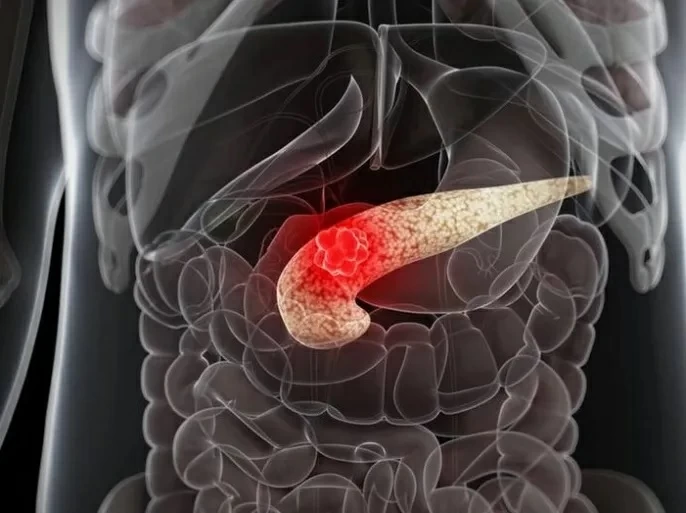
في قفزة نوعية قد تغير حياة الملايين، نجح فريق بحثي من جامعة «ماكغيل» الكندية في ابتكار جهاز طبي ثوري يمثل جيلاً جديداً من «البنكرياس الاصطناعي»، صُمم خصيصاً لإنهاء معاناة مرضى السكري من النوع الأول مع حقن الأنسولين اليومية.
الابتكار الجديد، الذي سلط موقع «ميديكال إكسبريس» الضوء عليه، يتجاوز العقبة الأكبر التي واجهت الطب لعقود؛ وهي كيفية الحفاظ على الخلايا المزروعة حية داخل الجسم. فبينما كانت المحاولات السابقة تفشل بسبب هجوم الجهاز المناعي أو ضعف التروية الدموية، جاء هذا الجهاز ليعمل كـ «درع حماية» ومحطة تغذية في آن واحد.
كيف يعمل «المصنع الصغير»؟
استخدم العلماء تقنيات الطباعة ثلاثية الأبعاد المتطورة لإنشاء شبكة معقدة من القنوات الدموية الصناعية داخل الجهاز. وبمجرد زراعته، يرتبط مباشرة بالأوعية الدموية للمريض، ما يضمن تدفق الدم فوراً لتغذية الخلايا المنتجة للأنسولين، بينما يعمل غلافه الذكي كحاجز صد يمنع خلايا المناعة من مهاجمتها وتدميرها.
أكثر من مجرد علاج للسكري
أظهرت النتائج ما قبل السريرية نجاحاً باهراً، حيث استمرت الخلايا في العمل بكفاءة عالية، مما يفتح الباب أمام علاجات طويلة الأمد لا تحتاج إلى أدوية تثبيط المناعة المرهقة. ولا تتوقف طموحات الفريق عند هذا الحد؛ إذ يتميز الجهاز بإمكانية تصنيعه وتعقيمه مخبرياً وشحنه عالمياً، بل ويرى الباحثون أن هذه التقنية قد تكون «حجر الزاوية» مستقبلاً لتطوير أعضاء اصطناعية أخرى ومواجهة أمراض مستعصية.
In a groundbreaking leap that could change the lives of millions, a research team from McGill University in Canada has succeeded in creating a revolutionary medical device that represents a new generation of "artificial pancreas," specifically designed to end the daily insulin injection struggles of type 1 diabetes patients.
The new innovation, highlighted by Medical Express, overcomes the biggest obstacle that medicine has faced for decades: how to keep transplanted cells alive inside the body. While previous attempts failed due to immune system attacks or poor blood supply, this device acts as both a "protective shield" and a nutrient supply station.
How does the "small factory" work?
Scientists used advanced 3D printing techniques to create a complex network of artificial blood vessels within the device. Once implanted, it directly connects to the patient's blood vessels, ensuring immediate blood flow to nourish the insulin-producing cells, while its smart casing acts as a barrier to prevent immune cells from attacking and destroying them.
More than just a diabetes treatment
Preclinical results have shown remarkable success, with the cells continuing to function efficiently, opening the door to long-term treatments that do not require exhausting immunosuppressive drugs. The team's ambitions do not stop here; the device is characterized by its ability to be manufactured, sterilized in the lab, and shipped globally, and researchers believe that this technology could be the "cornerstone" in the future development of other artificial organs and tackling incurable diseases.