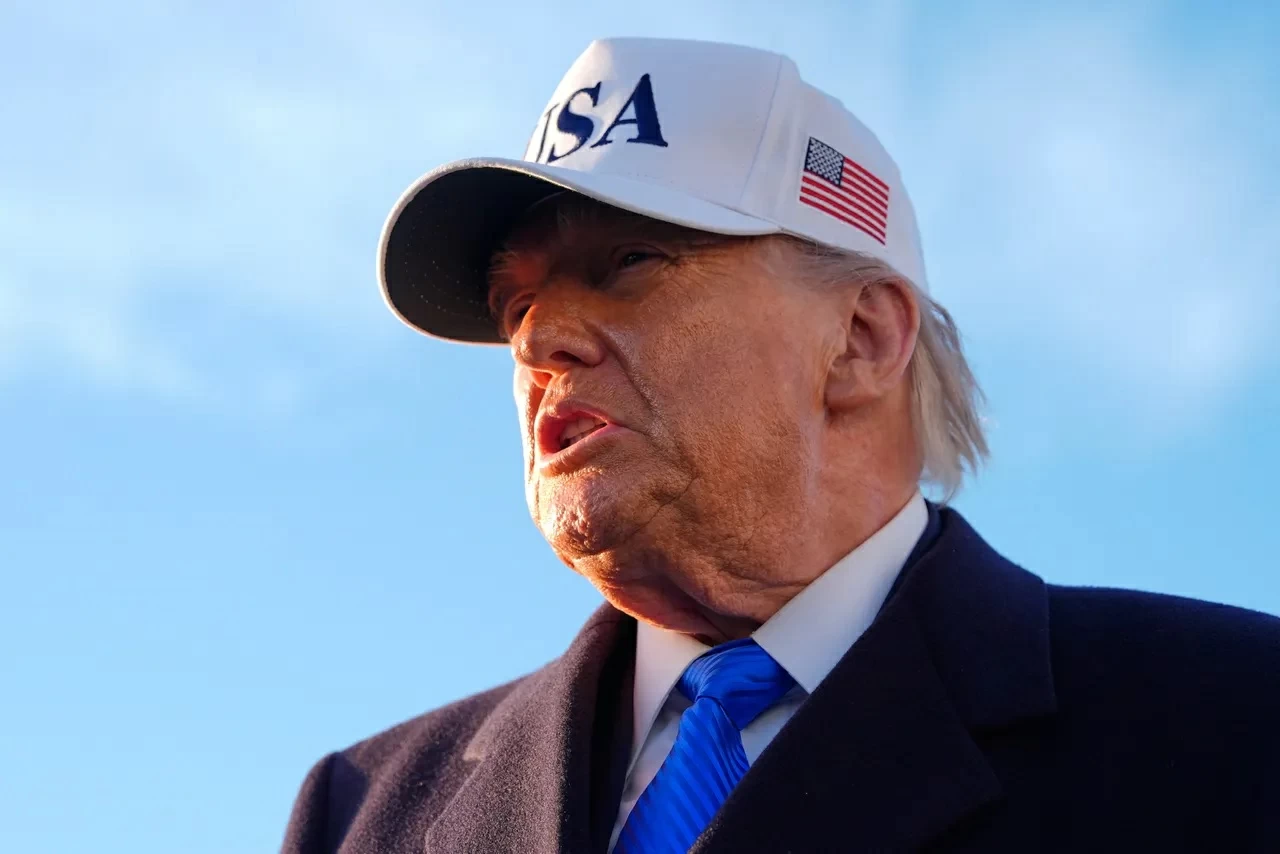
مع احتدام الحرب الأمريكية الإسرائيلية مع إيران، وتصفية عدد من أبرز القادة الإيرانيين، تساءل الرئيس الأمريكي دونالد ترمب: «ماذا سيحدث لو أنهينا ما تبقى من النظام في إيران»، وفق تعبيره.
وقال في منشور على «تروث سوشيال»، اليوم (الأربعاء): «هل سيستجيب الحلفاء لمهمة مضيق هرمز إذا أجهزنا على النظام الإيراني» واعتبر أن بلاده «لا تستخدم المضيق بل الحلفاء غير المستجيبين»، في إشارة إلى الدول الأوروبية.
وأكد الرئيس الأمريكي أن تصفية القادة الإيرانيين، «سيدفع بعض حلفاء بلاده غير المتجاوبين إلى التحرك، وبسرعة».
وانتقد ترمب الحلفاء في حلف شمال الأطلسي«الناتو» خصوصا الدول الأوروبية، لرفضها إرسال سفن ترافق ناقلات الشحن في مضيق هرمز، بعدما هددت إيران باستهدافها، وأوقفت عملية حركة الملاحة عبر هذا المضيق الحيوي الذي تمر عبره خمس شحنات النفط والغاز في العالم. وقال في منشور على «تروث سوشيال» أمس (الثلاثاء): «معظم حلفائنا في الناتو أبلغوا الولايات المتحدة عدم رغبتهم في المشاركة في عمليتنا العسكرية ضد النظام الإيراني الإرهابي»، إلا أنه عاد وأكد أن بلاده لم تعد بحاجة إلى مساعدة دول الناتو.
وكانت أغلب الدول الأوروبية وعلى رأسها بريطانيا، أظهرت تردداً ورفضاً لإرسال سفنها إلى هرمز في الوقت الحالي. ورفضت اليابان وأستراليا وكوريا الجنوبية تلك المهمة.
يذكر أن الاتحاد الأوروبي انتقد الحرب الدائرة في المنطقة، وحث على إنهائها في الحال. وأشارت مسؤولة السياسة الخارجية في الاتحاد، كايا كالاس إلى أن الدول الأوروبية لم تشارك في قرار الحرب، وأبدت شكوكها في وجود خطة تلي هذا الصراع، أو كيفية إنهائه.
As the American-Israeli war with Iran intensifies and several prominent Iranian leaders are eliminated, U.S. President Donald Trump questioned: "What would happen if we finished off what remains of the regime in Iran," as he put it.
He stated in a post on "Truth Social" today (Wednesday): "Will allies respond to the mission in the Strait of Hormuz if we take out the Iranian regime?" He considered that his country "is not using the strait but rather the unresponsive allies," referring to European countries.
President Trump confirmed that the elimination of Iranian leaders "will push some of his unresponsive allies to act, and quickly."
Trump criticized NATO allies, particularly European countries, for refusing to send ships to escort tankers in the Strait of Hormuz after Iran threatened to target them, halting navigation through this vital strait through which five shipments of oil and gas pass globally. He stated in a post on "Truth Social" yesterday (Tuesday): "Most of our NATO allies have informed the United States that they do not wish to participate in our military operation against the terrorist Iranian regime," but he reiterated that his country no longer needs NATO countries' assistance.
Most European countries, led by Britain, have shown reluctance and refusal to send their ships to Hormuz at this time. Japan, Australia, and South Korea also rejected that mission.
It is worth mentioning that the European Union criticized the ongoing war in the region and urged for its immediate cessation. The EU's foreign policy chief, Kaja Kallas, pointed out that European countries did not participate in the decision to go to war and expressed doubts about the existence of a plan following this conflict or how to end it.