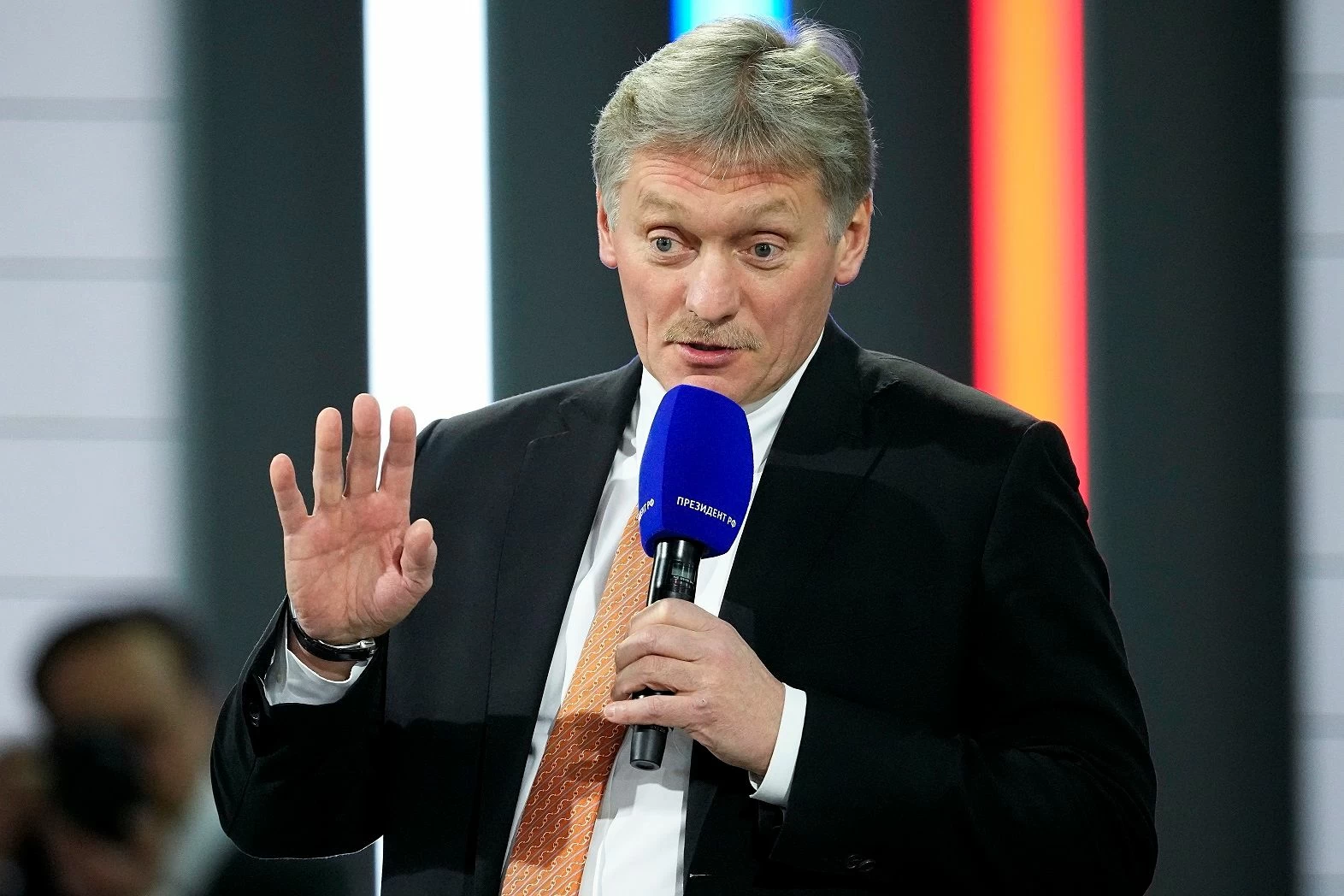
في أول رد فعل على اتهامها بمساعدة إيران، نفت موسكو بشكل قاطع تقريراً أمريكياً تحدث عن تقديمها دعماً استخباراتياً وعسكرياً لطهران، في وقت تتزايد فيه الاتهامات الغربية لروسيا بتعزيز تعاونها مع إيران، ما يثير مخاوف من اتساع رقعة الصراع وتعقيد موازين القوى في المنطقة.
تقديم إرشادات تكتيكية
ووصف «الكرملين» التقرير الذي نشرته صحيفة «وول ستريت جورنال» بشأن مشاركة روسيا صوراً أقمار صناعية وتقنيات طائرات مسيّرة متطورة مع إيران، بأنه «أخبار كاذبة».
وقال المتحدث باسم الرئاسة الروسية دميتري بيسكوف، اليوم (الأربعاء)، إن ما ورد في التقرير «لا أساس له من الصحة»، رافضاً الاتهامات التي تشير إلى دعم موسكو لطهران في عملياتها العسكرية.
وكانت الصحيفة الأمريكية، نقلت أمس (الثلاثاء)، عن مصادر مطلعة أن روسيا وسّعت نطاق تعاونها العسكري والاستخباراتي مع إيران، حيث زودتها بصور أقمار صناعية وتقنيات محسّنة للطائرات المسيّرة، بهدف تعزيز قدرتها على استهداف القوات الأمريكية في المنطقة. وشمل هذا الدعم مكونات لطائرات «شاهد» المعدلة، والتي تتيح تحسين أنظمة الاتصال والملاحة ودقة الاستهداف.
وذكر أن موسكو قدمت إرشادات تكتيكية مستندة إلى خبرتها في الحرب الأوكرانية، بما في ذلك تحديد عدد الطائرات المستخدمة في الهجمات وارتفاعات التحليق المناسبة.
معلومات عن مواقع الأمريكيين
إلى ذلك، أفادت المعلومات بأن روسيا زودت إيران بمعلومات حول مواقع القوات الأمريكية وحلفائها في الشرق الأوسط، بالإضافة إلى صور أقمار صناعية مباشرة، ما يعزز من دقة الضربات وتقييم الأضرار بعد تنفيذها.
وتُدار هذه البيانات، وفقاً للمصادر، عبر منظومة أقمار صناعية تابعة للقوات الجوية والفضائية الروسية، المعروفة اختصاراً بـ«VKS». ويرى محللون أن هذا النوع من التعاون يشبه إلى حد كبير الدعم الاستخباراتي الذي قدمته الولايات المتحدة وحلفاؤها لأوكرانيا خلال السنوات الأخيرة.
ميزة كبيرة في العمليات
من جهته، اعتبر الباحث المتخصص في الشؤون العسكرية الإيرانية جيم لامسون، أن توفير صور دقيقة تتضمن تفاصيل عن الطائرات والمواقع العسكرية وأنظمة الدفاع الجوي يمنح إيران ميزة كبيرة في عملياتها.
ولفت إلى أن الهجمات الإيرانية الأخيرة في منطقة الخليج أظهرت تحسناً ملحوظاً في دقة الاستهداف، حيث ركزت على أنظمة الرادار ومراكز القيادة والسيطرة، باستخدام تكتيك يعتمد على إغراق الدفاعات الجوية بالطائرات المسيّرة قبل تنفيذ ضربات صاروخية، وهو أسلوب يشبه ما تستخدمه روسيا في أوكرانيا.
موسكو تقدم «بعض» الدعم
من جانبها، أكدت المتحدثة باسم البيت الأبيض أن أي دعم خارجي لم يؤثر على فعالية العمليات العسكرية الأمريكية، مشيرة إلى أن الجيش الأمريكي نفذ أكثر من 7 آلاف ضربة، ودمر أكثر من 100 قطعة بحرية إيرانية، ما أدى إلى تراجع الهجمات الصاروخية بنسبة 90% وهجمات الطائرات المسيّرة بنسبة 95%.
In its first reaction to accusations of aiding Iran, Moscow firmly denied a U.S. report that claimed it was providing intelligence and military support to Tehran, at a time when Western accusations against Russia of enhancing its cooperation with Iran are increasing, raising concerns about the expansion of the conflict and complicating the balance of power in the region.
Providing Tactical Guidance
The Kremlin described the report published by the Wall Street Journal regarding Russia's sharing of satellite images and advanced drone technologies with Iran as "fake news."
Russian presidential spokesman Dmitry Peskov stated today (Wednesday) that the claims in the report are "baseless," rejecting accusations that Moscow is supporting Tehran in its military operations.
The American newspaper reported yesterday (Tuesday), citing informed sources, that Russia has expanded its military and intelligence cooperation with Iran, supplying it with satellite images and enhanced drone technologies to bolster its ability to target U.S. forces in the region. This support included components for modified "Shahed" drones, which allow for improved communication, navigation systems, and targeting accuracy.
It was mentioned that Moscow provided tactical guidance based on its experience in the Ukrainian war, including identifying the number of aircraft used in attacks and appropriate flying altitudes.
Information on American Positions
Additionally, reports indicated that Russia supplied Iran with information about the locations of U.S. forces and their allies in the Middle East, along with direct satellite images, enhancing the accuracy of strikes and damage assessments after execution.
These data are managed, according to sources, through a satellite system belonging to the Russian Aerospace Forces, abbreviated as "VKS." Analysts believe that this type of cooperation closely resembles the intelligence support provided by the United States and its allies to Ukraine in recent years.
Significant Advantage in Operations
For his part, Iranian military affairs specialist Jim Lamson considered that providing accurate images containing details about aircraft, military sites, and air defense systems gives Iran a significant advantage in its operations.
He noted that recent Iranian attacks in the Gulf region showed a marked improvement in targeting accuracy, focusing on radar systems and command and control centers, using a tactic that relies on overwhelming air defenses with drones before executing missile strikes, a method similar to what Russia employs in Ukraine.
Moscow Provides "Some" Support
For its part, the White House spokesperson confirmed that any external support has not affected the effectiveness of U.S. military operations, noting that the U.S. military has carried out over 7,000 strikes and destroyed more than 100 Iranian naval vessels, resulting in a 90% reduction in missile attacks and a 95% reduction in drone attacks.