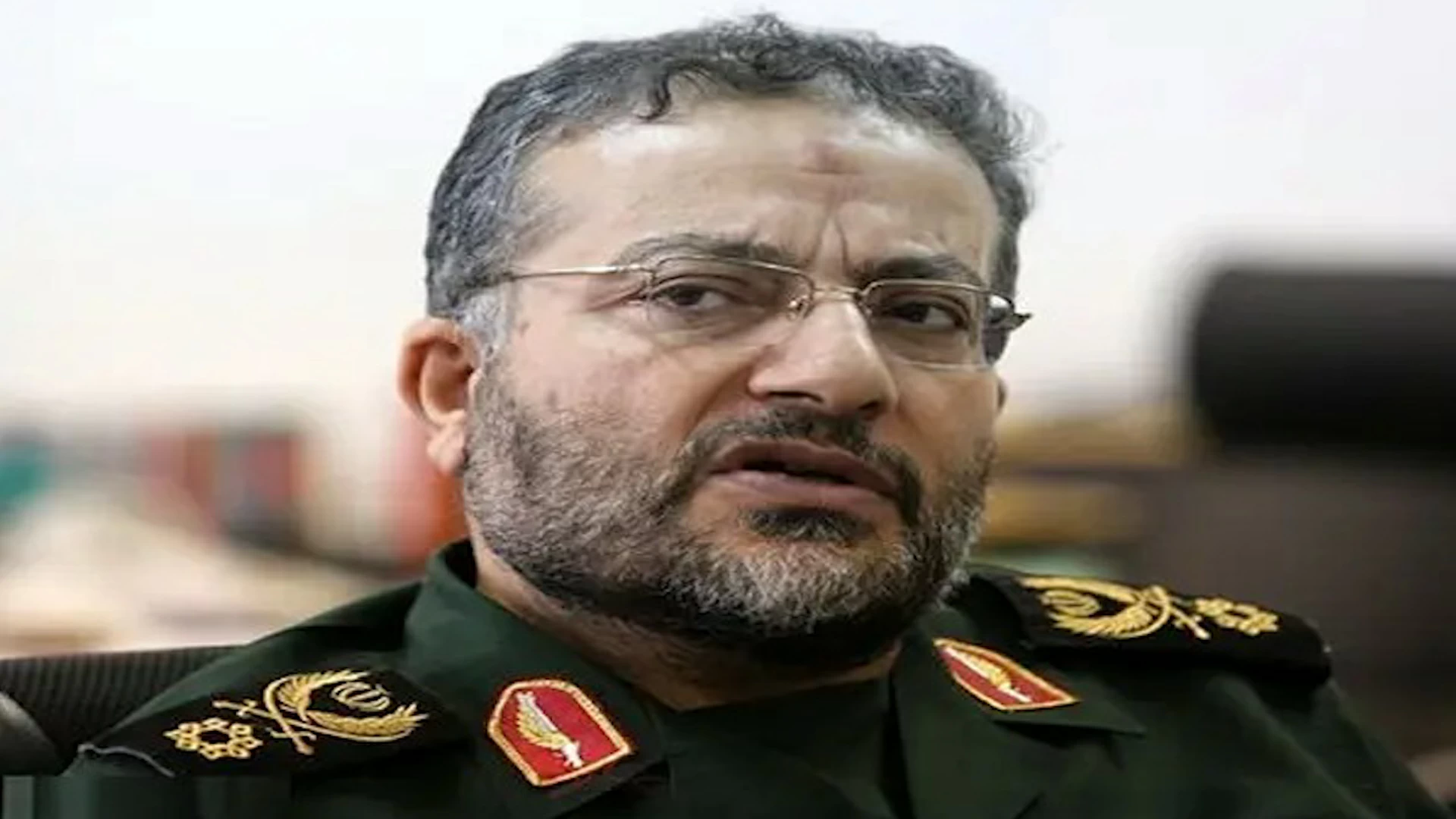
أعلن الجيش الإسرائيلي اغتيال قائد قوات الباسيج الإيرانية غلام رضا سليماني ونائبه، في ضربة نفذتها ليل الإثنين الثلاثاء، بعد ضربات سابقة استهدفت مقار القوة شبه العسكرية.
وترأس سليماني الضابط في الحرس الثوري الإيراني قوات الباسيج شبه العسكرية منذ نحو 6 سنوات، في عام 2019، ويتهم بلعب دور رئيسي في قمع الاحتجاجات في إيران.
والباسيج قوة شبه عسكرية تخضع لسيطرة الحرس الثوري ويتم اللجوء لها عند الحاجة، وتستخدم عادة للسيطرة على الاحتجاجات داخل إيران.
وشاركت قوات «الباسيج» في السنوات الأخيرة في مواجهة المحتجين، وتصدت للتظاهرات التي شهدتها إيران بعد إعادة انتخاب الرئيس السابق محمود أحمدي نجاد عام 2009.
ولم تُصدر إيران أي تأكيد حتى كتابة هذه السطور بشأن تصفية إسرائيل لسليماني، لكن حال تأكيد ذلك، سيكون أحد أرفع المسؤولين الإيرانيين الذين تم قتلهم، منذ اغتيال المرشد علي خامنئي في أول أيام الحرب.
وحسب الجيش الإسرائيلي، فإن سليماني استهدف أثناء وجوده في مخيم أنشأته قوات الباسيج، بعد أن ضربت إسرائيل العديد من مقارها.
وُلد غلام سليماني في مدينة فارسان عام 1964، وله تاريخ عسكري طويل، وخدم في الحرب الإيرانية العراقية، وقاد فرقاً مختلفة من الحرس الثوري، بما في ذلك فرقة «الإمام الحسين 14» وفيلق محافظة أصفهان، وفق تقارير إعلامية.
وارتبط اسمه بخطاب متشدد تجاه الخصوم الإقليميين والدوليين، وظهر ذلك، في تصريحات رسمية تتعلق بالأمن والاستقرار، في سياق الدور الأوسع الذي يلعبه الحرس الثوري في السياسة الإيرانية.
وفرض الاتحاد الأوروبي عقوبات على سليماني في أبريل 2021، لدوره في التصدي لاحتجاجات 2019 في إيران، وفرضت وزارة الخزانة الأمريكية عقوبات عليه في ديسمبر 2021، بحسب ما أوردت وكالة «رويترز». وفرضت بريطانيا عقوبات عليه في أكتوبر 2020، بموجب قانون العقوبات ومكافحة غسل الأموال لعام 2018، وشملت هذه الإجراءات تجميد الأصول وقيود السفر، رداً على دوره في قمع المدنيين، وفق ما نقلت صحيفة «الجارديان».
وفرضت كندا في أكتوبر 2022، عقوبات عليه بموجب لوائح التدابير الاقتصادية الخاصة بإيران، لارتكابه انتهاكات واسعة النطاق ومنهجية لحقوق الإنسان خلال المظاهرات المناهضة للنظام، وشملت العقوبات تجميد الأصول، وحظر الأسلحة والمعاملات المالية، وإدراجه على قائمة الممنوعين من دخول كندا.
The Israeli army announced the assassination of the commander of the Iranian Basij forces, Gholam Reza Soleimani, and his deputy, in a strike carried out on the night of Monday to Tuesday, following previous strikes targeting the headquarters of the paramilitary force.
Soleimani, an officer in the Iranian Revolutionary Guard, has headed the Basij paramilitary forces for about 6 years, since 2019, and is accused of playing a key role in suppressing protests in Iran.
The Basij is a paramilitary force under the control of the Revolutionary Guard and is called upon when needed, typically used to control protests within Iran.
In recent years, the Basij forces have participated in confronting protesters and have responded to demonstrations that occurred in Iran following the re-election of former President Mahmoud Ahmadinejad in 2009.
Iran has not issued any confirmation as of the writing of this text regarding Israel's elimination of Soleimani, but if confirmed, he would be one of the highest-ranking Iranian officials killed since the assassination of Supreme Leader Ali Khamenei on the first days of the war.
According to the Israeli army, Soleimani was targeted while he was in a camp established by the Basij forces, after Israel struck many of their headquarters.
Gholam Soleimani was born in the city of Farsan in 1964 and has a long military history, having served in the Iran-Iraq War and led various units of the Revolutionary Guard, including the "Imam Hussein 14" division and the Isfahan Province Corps, according to media reports.
His name has been associated with a hardline rhetoric towards regional and international adversaries, evident in official statements regarding security and stability, in the context of the broader role played by the Revolutionary Guard in Iranian politics.
The European Union imposed sanctions on Soleimani in April 2021 for his role in responding to the 2019 protests in Iran, and the U.S. Treasury Department sanctioned him in December 2021, according to Reuters. The UK imposed sanctions on him in October 2020 under the Sanctions and Anti-Money Laundering Act of 2018, which included asset freezes and travel restrictions in response to his role in suppressing civilians, as reported by The Guardian.
Canada also imposed sanctions on him in October 2022 under the economic measures regulations concerning Iran, for committing widespread and systematic human rights violations during anti-regime protests, with sanctions including asset freezes, arms bans, financial transaction prohibitions, and being placed on the list of individuals banned from entering Canada.