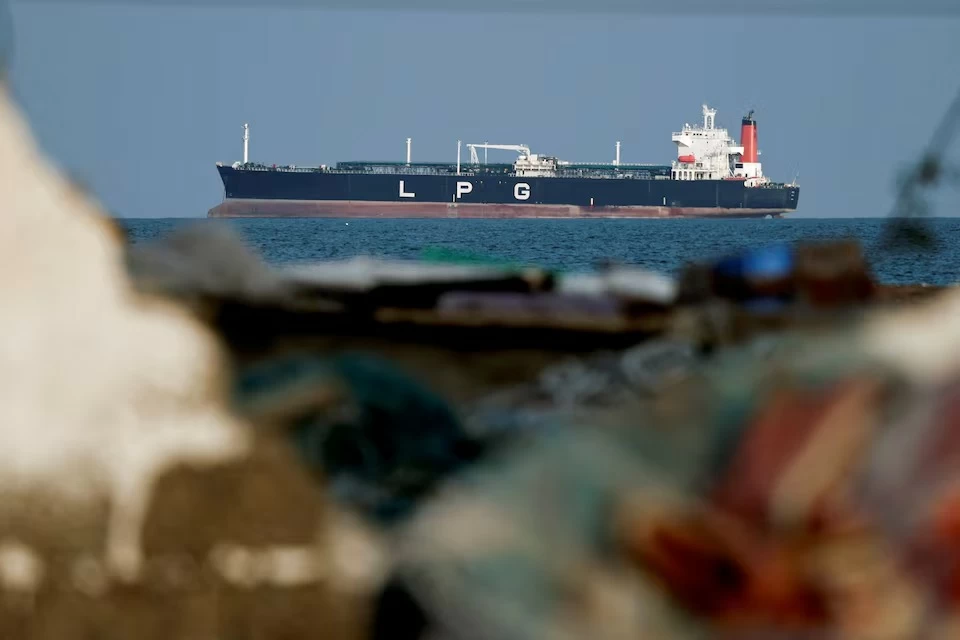
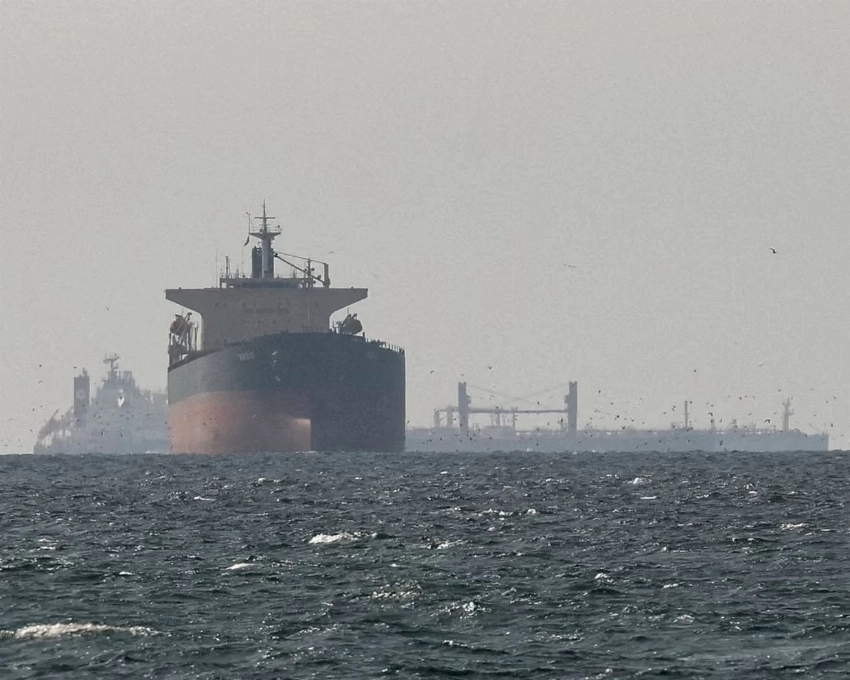
في ظل تصاعد الحرب بين الولايات المتحدة وإسرائيل من جهة وإيران من جهة أخرى، كشف الرئيس الأمريكي دونالد ترمب أن إدارته تجري محادثات مع سبع دول للمساعدة في تأمين الملاحة في مضيق هرمز، بعد أن تراجع مرور ناقلات النفط عبر هذا الممر البحري الحيوي نتيجة التوترات العسكرية.
وقال ترمب، في تصريحات للصحفيين على متن الطائرة الرئاسية أثناء عودته من فلوريدا إلى واشنطن، إن الدول التي تعتمد بشكل كبير على نفط الخليج يجب أن تتحمل مسؤولية حماية الممر الذي يمر عبره نحو 20% من إمدادات النفط العالمية.
تحرك دولي لتأمين هرمز
وأوضح الرئيس الأمريكي أنه طلب من تلك الدول المشاركة في تأمين السفن، مضيفاً: «أطالب هذه الدول بالدخول والمساعدة في حماية هذا الممر لأنه مصدر الطاقة الذي تعتمد عليه».
ورغم أنه لم يكشف عن أسماء الدول السبع التي تم التواصل معها، فإنه أشار عبر وسائل التواصل الاجتماعي إلى أنه يتوقع مشاركة دول مثل الصين وفرنسا واليابان وكوريا الجنوبية وبريطانيا في هذه المهمة.
أمريكا تضغط على الحلفاء
وفي مقابلة مع صحيفة «فايننشال تايمز»، صعّد ترمب الضغط على حلفاء الولايات المتحدة في أوروبا، محذراً من أن مستقبل حلف شمال الأطلسي (الناتو) قد يكون «سيئاً للغاية» إذا لم يهب أعضاؤه لمساعدة واشنطن في حماية المضيق.
قناة تواصل بين واشنطن وطهران
وفي سياق متصل، قال ترمب إن الولايات المتحدة لا تزال على تواصل مع إيران، لكنه شكك في استعداد طهران للدخول في مفاوضات جدية لإنهاء الحرب.
وتأتي هذه التطورات في وقت تشهد أسواق الطاقة العالمية حالة من القلق، إذ حافظت أسعار النفط على مستويات مرتفعة مع استمرار القتال في منطقة الخليج، وارتفع خام برنت قليلاً إلى أكثر من 103 دولارات للبرميل، فيما تراجع الخام الأمريكي إلى نحو 98 دولاراً.
إيران تنفي التفاوض
وفيما توقعت الإدارة الأمريكية أن تنتهي الحرب خلال أسابيع قليلة وأن يعقب ذلك انخفاض في أسعار الطاقة، نفت طهران وجود أي مفاوضات لوقف إطلاق النار.
وقال وزير الخارجية الإيراني عباس عراقجي في مقابلة تلفزيونية: «لم نطلب وقف إطلاق النار ولم نطلب حتى التفاوض، ونحن مستعدون للدفاع عن أنفسنا طالما استدعى الأمر ذلك».
وكان ترمب قد أعلن في وقت سابق أن البحرية الأمريكية ستبدأ قريباً مرافقة ناقلات النفط عبر مضيق هرمز، في خطوة تهدف إلى إعادة فتح الممر البحري أمام حركة الشحن.
تحالف دولي لمرافقة السفن
وفي الوقت ذاته، أفادت تقارير صحفية أمريكية بأن إدارة ترمب تعتزم الإعلان خلال هذا الأسبوع عن تشكيل تحالف دولي لمرافقة السفن في المضيق، مع استمرار النقاش حول موعد بدء هذه العمليات، سواء خلال الحرب أو بعد انتهائها.
من جهة أخرى، صعّد ترمب تهديداته تجاه إيران، مشيراً إلى أن الضربات الأمريكية دمرت جزءاً كبيراً من جزيرة خرج، وهي مركز رئيسي لصادرات النفط الإيرانية، محذراً من إمكانية تنفيذ ضربات إضافية.
وتسببت الحرب التي اندلعت في أواخر فبراير في اضطراب واسع بمنطقة الشرق الأوسط، وأسفرت عن مقتل أكثر من ألفي شخص، معظمهم في إيران ولبنان، إلى جانب تدمير أجزاء كبيرة من القدرات البحرية والصاروخية الإيرانية.
ورغم استمرار عبور بعض السفن الإيرانية وعدد محدود من السفن الأجنبية، فإن حركة ناقلات النفط العالمية عبر مضيق هرمز تراجعت بشكل حاد، ما يزيد المخاوف من تأثير الأزمة على الاقتصاد العالمي، خصوصاً أن المضيق يعد شرياناً رئيسياً يمر عبره خُمس إمدادات النفط والغاز المسال في العالم.
Amid the escalating war between the United States and Israel on one side and Iran on the other, U.S. President Donald Trump revealed that his administration is in talks with seven countries to help secure navigation in the Strait of Hormuz, after the passage of oil tankers through this vital maritime corridor declined due to military tensions.
Trump stated in remarks to reporters aboard Air Force One while returning from Florida to Washington that countries that rely heavily on Gulf oil must take responsibility for protecting the corridor through which about 20% of global oil supplies pass.
International Move to Secure Hormuz
The U.S. president explained that he has asked those countries to participate in securing the ships, adding: "I urge these countries to come in and help protect this corridor because it is the source of energy they rely on."
Although he did not disclose the names of the seven countries that have been contacted, he indicated via social media that he expects countries like China, France, Japan, South Korea, and Britain to participate in this mission.
America Pressures Allies
In an interview with the Financial Times, Trump intensified pressure on U.S. allies in Europe, warning that the future of NATO could be "very bad" if its members do not rush to help Washington protect the strait.
Communication Channel Between Washington and Tehran
In a related context, Trump stated that the United States is still in contact with Iran, but he questioned Tehran's willingness to engage in serious negotiations to end the war.
These developments come at a time when global energy markets are experiencing anxiety, as oil prices have remained high with fighting continuing in the Gulf region, with Brent crude slightly rising to over $103 a barrel, while U.S. crude fell to around $98.
Iran Denies Negotiation
While the U.S. administration expected the war to end within a few weeks, followed by a decrease in energy prices, Tehran denied the existence of any negotiations for a ceasefire.
Iranian Foreign Minister Abbas Araghchi stated in a television interview: "We did not request a ceasefire, nor did we even request negotiations, and we are ready to defend ourselves as long as it is necessary."
Trump had previously announced that the U.S. Navy would soon begin escorting oil tankers through the Strait of Hormuz, in a move aimed at reopening the maritime corridor for shipping traffic.
International Coalition to Escort Ships
At the same time, U.S. media reports indicated that the Trump administration intends to announce this week the formation of an international coalition to escort ships in the strait, with ongoing discussions about when to start these operations, whether during the war or after it ends.
On another note, Trump escalated his threats against Iran, indicating that U.S. strikes have destroyed a large part of Kharg Island, a major center for Iranian oil exports, warning of the possibility of additional strikes.
The war that broke out in late February has caused widespread disruption in the Middle East, resulting in the deaths of more than two thousand people, most of them in Iran and Lebanon, along with the destruction of large parts of Iran's naval and missile capabilities.
Despite the continued passage of some Iranian vessels and a limited number of foreign ships, global oil tanker traffic through the Strait of Hormuz has sharply declined, raising concerns about the impact of the crisis on the global economy, especially since the strait is a major artery through which one-fifth of the world's oil and liquefied gas supplies pass.