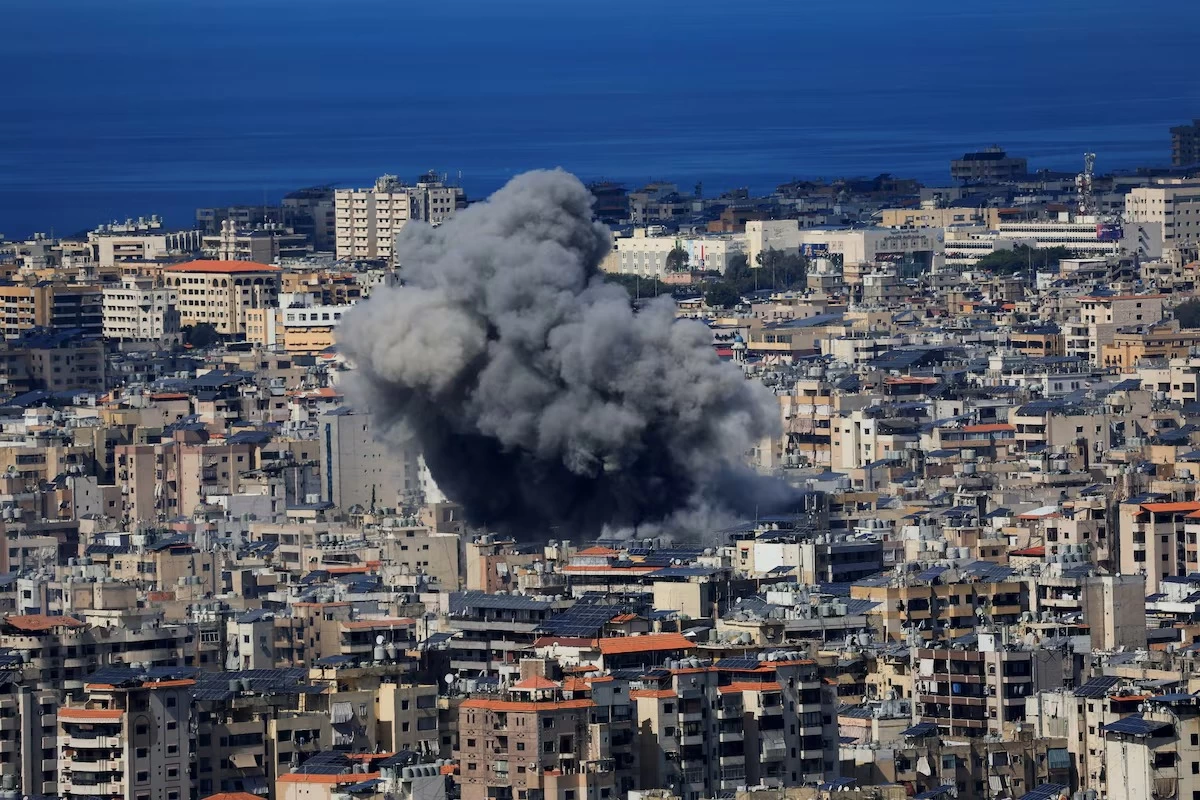
تتفاقم الأزمة الإنسانية في لبنان بشكل غير مسبوق مع اتساع نطاق الحرب في الشرق الأوسط، إذ أعلنت وكالات تابعة للأمم المتحدة، اليوم (الثلاثاء)، مقتل 84 طفلاً ونزوح أكثر من 667 ألف شخص داخل البلاد، في وقت تتعرض فيه حياة مئات الآلاف لاضطرابات حادة نتيجة القصف والتصعيد العسكري.
وبحسب المعطيات الميدانية، دخل لبنان دائرة الحرب هذا الشهر بعد أن أطلق حزب الله المدعوم من إيران صواريخ وطائرات مسيّرة باتجاه إسرائيل، في ظل الحرب التي تخوضها الولايات المتحدة وإسرائيل ضد إيران، وردّت إسرائيل بشن غارات جوية مكثفة استهدفت مناطق متعددة في لبنان.
ووفقاً لبيانات منظمة الصحة العالمية، أسفرت المواجهات حتى الآن عن مقتل 486 شخصاً وإصابة 1313 آخرين، من بينهم 259 طفلاً، ما يعكس حجم التأثير الكبير للصراع على المدنيين.
وقال ممثل منظمة الصحة العالمية في لبنان عبدالناصر أبو بكر إن الصراع لم يمضِ عليه سوى أسبوع واحد، ومع ذلك فقد فقد نحو 100 طفل حياتهم بالفعل، وأوضح أن ارتفاع عدد الضحايا الأطفال يعود إلى أن كثيراً من الضربات استهدفت مناطق حضرية مكتظة بالسكان مثل العاصمة بيروت.
وأشار إلى أن الغارات الجوية الإسرائيلية، التي تقول تل أبيب إنها تستهدف بنية تحتية تابعة لحزب الله، تضع حياة المدنيين في خطر مباشر.
موجة نزوح غير مسبوقة
وأفادت المفوضية السامية للأمم المتحدة لشؤون اللاجئين بأن وتيرة النزوح الحالية في لبنان تفوق تلك التي سُجلت خلال الحرب بين حزب الله وإسرائيل بين عامي 2023 و2024.
وخلال ذلك النزاع، نزح نحو 886 ألف شخص داخل لبنان، بينما تم إجلاء عشرات الآلاف من الإسرائيليين من بلدات الشمال القريبة من الحدود اللبنانية.
ويرجع الارتفاع الحاد في أعداد النازحين هذا الأسبوع إلى أوامر الإخلاء الواسعة التي أصدرها الجيش الإسرائيلي لسكان جنوب لبنان والضاحية الجنوبية لبيروت، وهي مناطق مكتظة بالسكان، وقد أثارت هذه الإجراءات مخاوف كبيرة لدى مفوضية الأمم المتحدة لحقوق الإنسان بشأن مدى توافقها مع القانون الدولي.
النظام الصحي تحت ضغط شديد
وفي ظل التصعيد، حذرت منظمة الصحة العالمية من أن المستشفيات والعاملين في الخطوط الأمامية يواجهون ضغطاً استثنائياً بسبب الارتفاع السريع في أعداد المصابين.
وأوضحت المنظمة أن 5 مستشفيات خرجت عن الخدمة بالكامل، بينما تعرضت 4 مستشفيات أخرى لأضرار جزئية، إضافة إلى إغلاق 43 مركزاً للرعاية الصحية الأولية، معظمها في جنوب البلاد الذي شهد عمليات إخلاء واسعة.
نازحون بلا مأوى
بدورها، أكدت ممثلة مفوضية اللاجئين في لبنان كارولينا ليندهولم بيلينغ أن العديد من الأشخاص الذين يفرّون اليوم من القصف سبق أن نزحوا خلال حرب عام 2024، إذ فقد كثير منهم منازلهم وأفراداً من عائلاتهم.
وأضافت أن هذه التجارب القاسية تدفع السكان إلى المغادرة فوراً دون انتظار تطورات الأحداث خوفاً من تكرار المأساة.
وتشير بيانات الحكومة اللبنانية إلى أن نحو 120 ألف شخص يقيمون حالياً في مراكز إيواء رسمية، بينما لجأ آخرون إلى منازل الأقارب أو الأصدقاء، في حين لا يزال كثيرون يبحثون عن مأوى.
وأوضحت المفوضية أن مشاهد السيارات المتوقفة على جوانب الطرق باتت شائعة، إذ ينام بعض النازحين داخلها أو على الأرصفة لعدم توفر أماكن إقامة.
The humanitarian crisis in Lebanon is escalating at an unprecedented rate as the war in the Middle East widens. Today (Tuesday), United Nations agencies announced the death of 84 children and the displacement of more than 667,000 people within the country, while the lives of hundreds of thousands are facing severe disruptions due to shelling and military escalation.
According to field data, Lebanon entered the war zone this month after Hezbollah, backed by Iran, launched rockets and drones towards Israel, amidst the war being waged by the United States and Israel against Iran. Israel responded by carrying out intensive airstrikes targeting multiple areas in Lebanon.
According to data from the World Health Organization, the confrontations have so far resulted in the deaths of 486 people and injuries to 1,313 others, including 259 children, reflecting the significant impact of the conflict on civilians.
Abdul Nasser Abu Bakr, the World Health Organization representative in Lebanon, stated that the conflict has only been ongoing for a week, yet nearly 100 children have already lost their lives. He explained that the rising number of child casualties is due to many strikes targeting densely populated urban areas such as the capital, Beirut.
He pointed out that the Israeli airstrikes, which Tel Aviv claims target Hezbollah infrastructure, put the lives of civilians in direct danger.
Unprecedented Wave of Displacement
The United Nations High Commissioner for Refugees reported that the current pace of displacement in Lebanon exceeds that recorded during the war between Hezbollah and Israel between 2023 and 2024.
During that conflict, around 886,000 people were displaced within Lebanon, while tens of thousands of Israelis were evacuated from northern towns near the Lebanese border.
The sharp increase in the number of displaced individuals this week is attributed to widespread evacuation orders issued by the Israeli army for residents of southern Lebanon and the southern suburbs of Beirut, which are densely populated areas. These measures have raised significant concerns for the United Nations Human Rights Commission regarding their compliance with international law.
Healthcare System Under Severe Pressure
Amidst the escalation, the World Health Organization warned that hospitals and frontline workers are facing extraordinary pressure due to the rapid rise in the number of injured.
The organization clarified that 5 hospitals have been completely out of service, while 4 other hospitals have sustained partial damage, in addition to the closure of 43 primary healthcare centers, most of which are in the southern part of the country that has witnessed extensive evacuations.
Displaced Individuals Without Shelter
For her part, Carolina Lindholm Billing, the UN Refugee Agency representative in Lebanon, confirmed that many people fleeing today from the shelling had previously been displaced during the 2024 war, as many lost their homes and family members.
She added that these harsh experiences are driving residents to leave immediately without waiting for developments, fearing a repeat of the tragedy.
Data from the Lebanese government indicates that around 120,000 people are currently residing in official shelters, while others have sought refuge in the homes of relatives or friends, while many are still searching for shelter.
The agency explained that scenes of cars parked along the sides of the roads have become common, as some displaced individuals sleep inside them or on the sidewalks due to the lack of available accommodation.