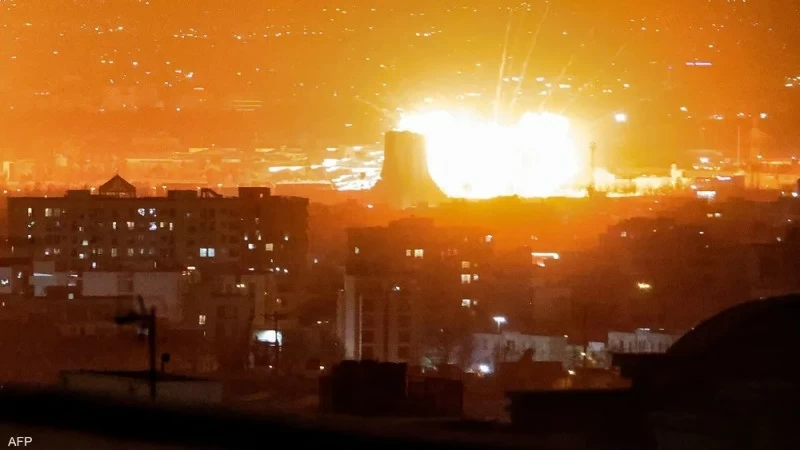
وسط مخاوف من أن تطول الحرب لأسابيع أخرى، تصاعدت الخسائر خصوصاً في إيران. وأعلنت القيادة المركزية الأمريكية أنها استهدفت أكثر من 3000 موقع إيراني منذ 28 فبراير الماضي.
وأفادت بأن الضربات الأمريكية الإسرائيلية دمرت 43 سفينة إيرانية. ولفتت إلى أن عملية «الغضب الملحمي» قصفت مراكز القيادة والسيطرة في إيران، ومواقع الحرس الثوري، فضلاً عن مقر الجوفضاء التابع للحرس، وأنظمة الدفاع الجوي المتكاملة، ومواقع الصواريخ البالستية، إضافة إلى قدرات الاتصال العسكرية، والسفن والغواصات.
وتمكنت العملية الإسرائيلية الأمريكية المشتركة من قتل المرشد الإيراني علي خامنئي في اليوم الأول، وعشرات القادة السياسيين والعسكريين، بينهم وزير الدفاع عزيز نصير زاده، ورئيس أركان القوات المسلحة عبد الرحيم موسوي.
كما أدت إلى مقتل قائد الحرس الثوري محمد باكبور، ومستشار المرشد علي شمخاني، ووزير الدفاع الجديد.
وتكبدت إيران خسائر بملايين الدولارات، جراء إطلاق الصواريخ والمسيّرات باتجاه إسرائيل ودول خليجية عدة. وأفادت التقديرات الأولية بأن طهران أطلقت ما يقارب 2700 صاروخ ومسيّرة، علماً أن معظم المسيّرات من طراز شاهد-136 التي تعتبر رخيصة التكلفة نسبياً، إذ يقدر ثمنها بما بين 20 ألف و50 ألف دولار.أما الصواريخ البالستية، فتراوح قيمتها بين مئات الآلاف إلى بضعة ملايين للواحد، حسب النوع.
ولا يزال حجم الأضرار المادية في الداخل الإيراني وكلفة الإعمار جراء تضرر مواقع عدة، غير معروف بشكل دقيق.
وقُدرت الخسائر الأمريكية بنحو 6 مليارات، وأبلغ مسؤولون في «البنتاغون» هذا الأسبوع الكونغرس أن الأسبوع الأول من الحرب كلّف حوالى 6 مليارات دولار. ويتوقع الجمهوريون أن تطلب الإدارة الأمريكية مزيداً من التمويل من الكونغرس لخوض الحرب، وفق ما نقلت صحيفة «نيويورك تايمز».
وقدر معهد CSIS تكلفة الساعات الـ100 الأولى من العملية بـ3.7 مليار دولار، أي ما يعادل 891.4 مليون دولار يومياً. ولفت إلى أن بعض هذه النفقات مُدرج بالفعل في الموازنة الأمريكية، لكن معظمها (3.5 مليار دولار) غير ممول بعد. ورجح المعهد أن تشهد الأيام القادمة تحولاً نحو استخدام ذخائر أقل تكلفة، مع انخفاض كبير في وتيرة إطلاق إيران المسيّرات والصواريخ من أجل تقليل التكلفة.
Amid fears that the war could last for several more weeks, casualties have escalated, particularly in Iran. The U.S. Central Command announced that it has targeted more than 3,000 Iranian sites since February 28.
It reported that U.S.-Israeli strikes have destroyed 43 Iranian ships. It noted that the "Epic Fury" operation bombed command and control centers in Iran, Revolutionary Guard sites, as well as the Aerospace Headquarters of the Guard, integrated air defense systems, ballistic missile sites, in addition to military communication capabilities, ships, and submarines.
The joint Israeli-American operation succeeded in killing Iranian Supreme Leader Ali Khamenei on the first day, along with dozens of political and military leaders, including Defense Minister Aziz Nasirzadeh and Chief of Staff of the Armed Forces Abdolrahim Mousavi.
It also resulted in the death of Revolutionary Guard Commander Mohammad Pakpour, the Supreme Leader's advisor Ali Shamkhani, and the new Defense Minister.
Iran has incurred losses amounting to millions of dollars due to the launch of missiles and drones towards Israel and several Gulf countries. Initial estimates indicated that Tehran launched approximately 2,700 missiles and drones, noting that most of the drones are of the Shahed-136 model, which is considered relatively inexpensive, with an estimated cost between $20,000 and $50,000. As for the ballistic missiles, their value ranges from hundreds of thousands to a few million each, depending on the type.
The extent of material damage within Iran and the reconstruction costs due to damage to several sites remains unknown with precision.
U.S. losses were estimated at around $6 billion, and Pentagon officials informed Congress this week that the first week of the war cost about $6 billion. Republicans expect the U.S. administration to request additional funding from Congress to continue the war, according to the New York Times.
The CSIS Institute estimated the cost of the first 100 hours of the operation at $3.7 billion, equivalent to $891.4 million per day. It pointed out that some of these expenses are already included in the U.S. budget, but most of them ($3.5 billion) are not yet funded. The institute predicted that the coming days would see a shift towards using less expensive munitions, with a significant decrease in the rate of Iran's drone and missile launches to reduce costs.