دخلت الحكومة الفيدرالية الأمريكية في ثالث إغلاق جزئي خلال الأشهر الستة الماضية، بعدما فشل الكونغرس في التوصل إلى اتفاق بشأن جميع مشاريع قوانين الإنفاق السنوية الـ12.
وعلى خلاف الإغلاقات السابقة، يقتصر هذا التعثر حالياً على وزارة الأمن الداخلي، وذلك بعد انسحاب الديمقراطيين من اتفاق ثنائي الحزب لتمويل الوزارة، وسط جدل واسع حول حملة الرئيس دونالد ترمب لتشديد إجراءات الهجرة في مدينة مينيابوليس.
ورغم أن نحو 97% من مؤسسات الحكومة الفيدرالية حصلت على تمويلها، فإن إغلاق وزارة الأمن الداخلي يحمل تداعيات مباشرة على حياة الأمريكيين، تزداد وضوحاً كلما طال أمد الأزمة.
اضطرابات محتملة في السفر الجوي
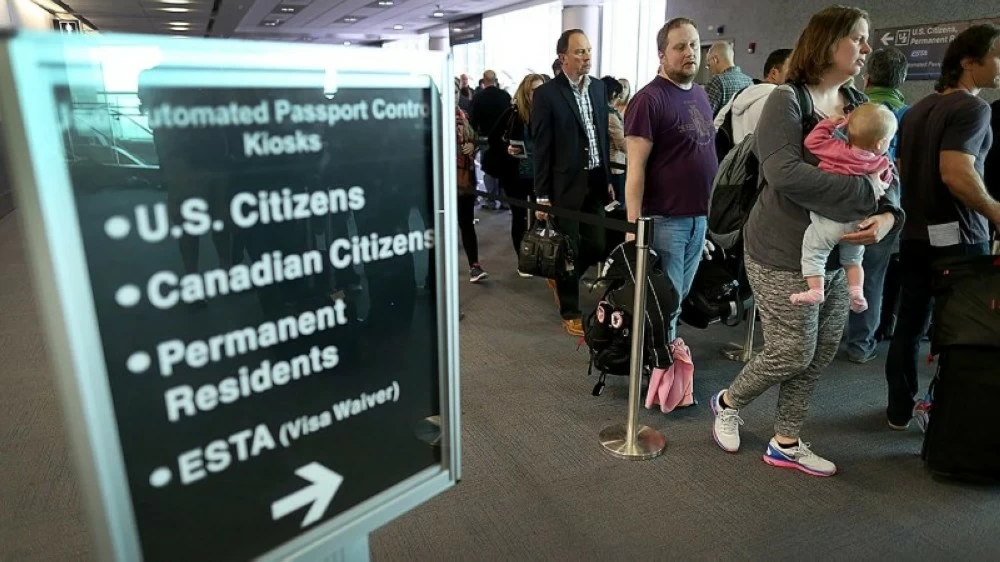
وقد يكون التأثير الأبرز على الحياة اليومية هو ما يطال إدارة أمن النقل، المسؤولة عن التفتيش الأمني في قرابة 440 مطاراً داخل الولايات المتحدة.
ووفقاً لمسؤولي الإدارة، يُصنَّف نحو 95% من موظفيها أي ما يقارب 61 ألف موظف كعاملين أساسيين، ما يعني أنهم سيواصلون العمل دون أجر خلال فترة الإغلاق.
وخلال إغلاق سابق، أفادت تقارير بأن بعض الموظفين اضطروا للنوم في سياراتهم أو البحث عن وظائف إضافية لتغطية نفقاتهم، ورغم أن العاملين الأساسيين يحصلون عادة على رواتبهم المتأخرة بعد انتهاء الإغلاق، فإن استمرار الأزمة قد يؤدي إلى تأخيرات أو حتى إلغاء رحلات في أكثر المطارات ازدحاماً، إذا اضطر بعض الموظفين للتغيب عن العمل.
مخاوف بشأن تعويضات الكوارث الطبيعية
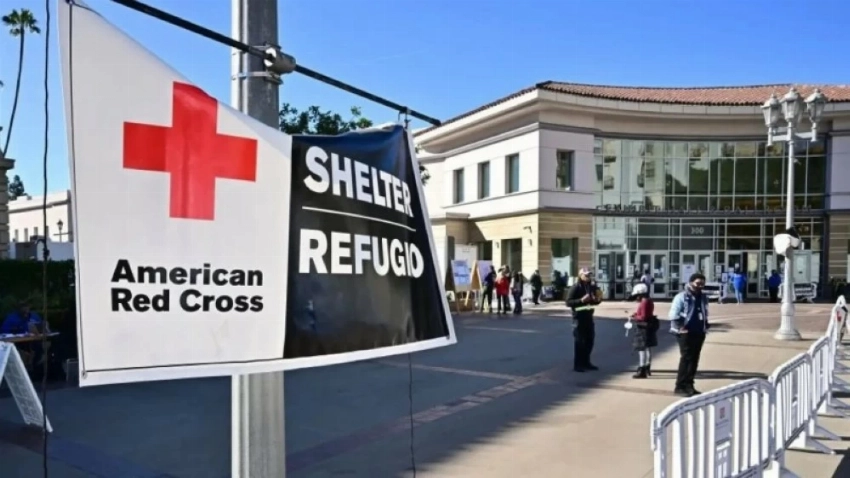
تُعد إدارة الطوارئ الفيدرالية من أبرز الجهات التابعة لوزارة الأمن الداخلي، والمسؤولة عن الاستجابة للكوارث الطبيعية.
وأفاد مسؤولون بأن الوكالة تمتلك تمويلاً كافياً لمواصلة عمليات الإغاثة في المدى القريب، إلا أن ميزانيتها قد تتعرض لضغوط كبيرة في حال وقوع كارثة طبيعية كبرى غير متوقعة.
ويعني ذلك أن المتضررين من كوارث جديدة قد يواجهون تأخيرات في الحصول على التعويضات الفيدرالية لمنازلهم أو مشاريعهم الصغيرة، كما أن أصحاب المطالبات العالقة والبالغة قيمتها مليارات الدولارات قد يشهدون مزيداً من التأخير في صرف مستحقاتهم.
تأثر معالجة تأشيرات العمل
وقد يواجه أصحاب الأعمال الذين يعتمدون على بعض أنواع تأشيرات العمالة تأخيرات إضافية، نظراً لأن خدمات الهجرة والجنسية الأمريكية تعمل تحت مظلة وزارة الأمن الداخلي.
ورغم أن معظم برامج الهجرة تموَّل عبر الرسوم، فإن بعض البرامج مثل نظام التحقق الإلكتروني من أهلية العمل وبرامج تأشيرات استثمارية وطبية ودينية معينة تعتمد على تمويل يقرّه الكونغرس، ما يجعلها عرضة للتأثر بالإغلاق.
وفي حال تعطل بعض هذه الأنظمة، قد يُسمح لأصحاب الأعمال باستخدام إجراءات بديلة، غير أن ذلك قد يزيد الأعباء الإدارية اليومية عليهم.
أزمة سياسية بتداعيات اقتصادية
الإغلاق الحالي يعكس تصاعد التوترات السياسية حول سياسات الهجرة، لكنه في الوقت ذاته يسلّط الضوء على هشاشة الخدمات الحيوية التي يعتمد عليها المواطنون يومياً من أمن المطارات إلى تعويضات الكوارث ومعالجة طلبات الهجرة.
وسيستمر الإغلاق حتى يعود الكونغرس من عطلته في 23 فبراير، وقد يمتد إلى خطاب حالة الاتحاد لترمب في اليوم التالي، كما أفادت «الغارديان».
فيما انتقد السناتور الديمقراطي جون فيترمان حزبه، قائلاً إنه «وضع السياسة فوق الوطن»، بينما حذر النواب الجمهوريون مثل خوان سيسكوماني من استخدام الشعب «كأداة تفاوض».
وتأتي هذه الأزمة في سياق تصاعد التوترات السياسية حول الهجرة، مع دعوات للتفاوض المباشر بين ترمب والديمقراطيين، وفي تصريح لـ«إيه بي سي نيوز»، أكد ترمب مشاركته الشخصية في المفاوضات، مشدداً على حماية قوات إنفاذ القانون.
The U.S. federal government has entered its third partial shutdown in the past six months, after Congress failed to reach an agreement on all 12 annual spending bills.
Unlike previous shutdowns, this impasse currently affects only the Department of Homeland Security, following the withdrawal of Democrats from a bipartisan agreement to fund the department amid widespread controversy over President Donald Trump's campaign to tighten immigration measures in Minneapolis.
Although about 97% of federal government agencies have received their funding, the shutdown of the Department of Homeland Security has direct implications for the lives of Americans, which become more evident the longer the crisis lasts.
Potential Disruptions in Air Travel
The most significant impact on daily life may be felt by the Transportation Security Administration, responsible for security screening at nearly 440 airports across the United States.
According to agency officials, about 95% of its employees, or approximately 61,000 workers, are classified as essential personnel, meaning they will continue to work without pay during the shutdown.
During a previous shutdown, reports indicated that some employees had to sleep in their cars or seek additional jobs to cover their expenses, and although essential workers typically receive their back pay after the shutdown ends, the continuation of the crisis could lead to delays or even cancellations of flights at the busiest airports if some employees are forced to miss work.
Concerns About Natural Disaster Relief
The Federal Emergency Management Agency is one of the key agencies under the Department of Homeland Security, responsible for responding to natural disasters.
Officials have reported that the agency has sufficient funding to continue relief operations in the short term; however, its budget could come under significant pressure if an unexpected major natural disaster occurs.
This means that those affected by new disasters may face delays in receiving federal compensation for their homes or small businesses, and claimants with pending claims worth billions of dollars may experience further delays in receiving their payments.
Impact on Work Visa Processing
Business owners relying on certain types of work visas may face additional delays, as U.S. Citizenship and Immigration Services operates under the Department of Homeland Security.
While most immigration programs are funded through fees, some programs, such as the E-Verify system and certain investment, medical, and religious visa programs, rely on funding approved by Congress, making them susceptible to the shutdown.
If some of these systems are disrupted, business owners may be allowed to use alternative procedures; however, this could increase their daily administrative burdens.
A Political Crisis with Economic Consequences
The current shutdown reflects rising political tensions over immigration policies, but at the same time highlights the fragility of essential services that citizens rely on daily, from airport security to disaster relief and immigration processing.
The shutdown will continue until Congress returns from its recess on February 23, and it may extend to Trump's State of the Union address the following day, as reported by The Guardian.
Meanwhile, Democratic Senator John Fetterman criticized his party, stating that it has "put politics above the country," while Republican lawmakers like Juan Ciscomani warned against using the public "as a bargaining chip."
This crisis comes amid escalating political tensions over immigration, with calls for direct negotiations between Trump and the Democrats. In a statement to ABC News, Trump confirmed his personal involvement in the negotiations, emphasizing the protection of law enforcement personnel.