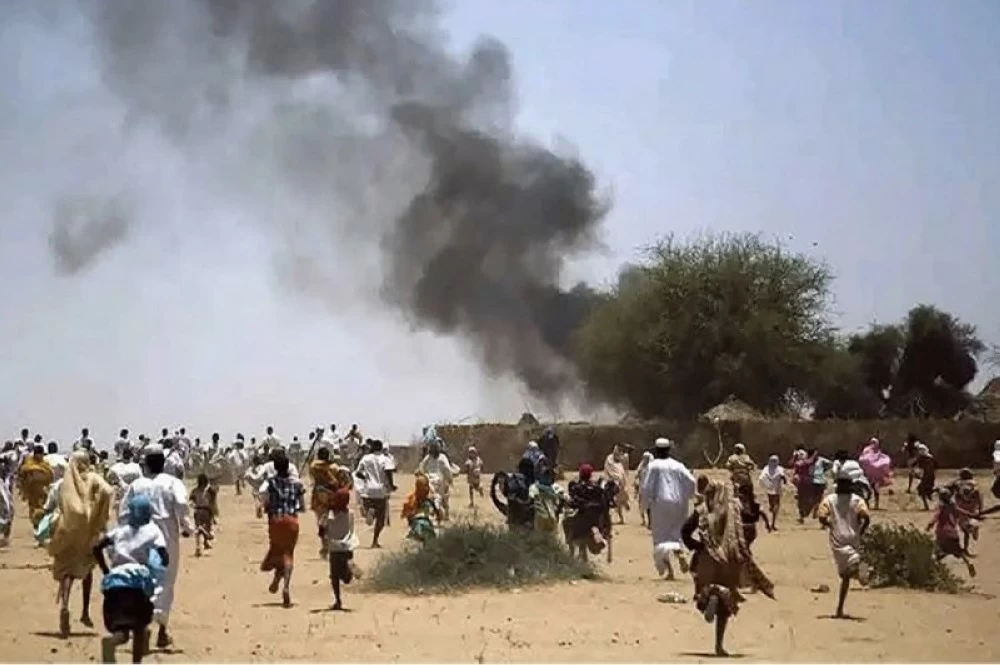
كشفت تقارير صادرة عن مفوضية الأمم المتحدة لحقوق الإنسان عن تصاعد خطير للانتهاكات بحق المدنيين في مدينة الفاشر غربي السودان، في هجوم وُصف بأنه من أكثر موجات العنف دموية منذ اندلاع الصراع، وسط اتهامات مباشرة لقوات قوات الدعم السريع والمليشيات المتحالفة معها بارتكاب جرائم ترقى إلى جرائم حرب وجرائم محتملة ضد الإنسانية.
قتل جماعي وإعدامات
التقارير الأممية وثّقت عمليات قتل جماعي وإعدامات ميدانية، إضافة إلى قتل آباء وأمهات أمام أطفالهم، وارتكاب جرائم اغتصاب وعنف جنسي، إلى جانب عمليات اختطاف ونهب واسعة النطاق، وتهجير قسري للسكان، فضلاً عن استهداف العاملين في المجال الإنساني والطبي.
وبحسب التحقيقات التي استندت إلى مقابلات مع أكثر من 140 شاهداً وضحية داخل السودان وشرق تشاد، قُتل أكثر من 6 آلاف شخص خلال الأيام الثلاثة الأولى للهجوم الأخير على الفاشر، بينهم ما لا يقل عن 4400 شخص داخل المدينة، وأكثر من 1600 شخص قُتلوا أثناء محاولتهم الفرار عبر طرق الخروج، مع تقديرات أممية بأن العدد الفعلي للضحايا أعلى بكثير مع استمرار أعمال العنف أسبوعاً كاملاً.
استهداف عرقي ممنهج
المنظمات الدولية تؤكد أن كثيراً من الهجمات استهدفت المدنيين بناءً على انتمائهم العرقي أو هوياتهم المفترضة، في نمط متكرر من العنف الموجّه، شمل أيضاً استخدام التجويع كسلاح حرب عبر تدمير المرافق الأساسية ومنع وصول المساعدات الإنسانية.
وتشير تقارير حقوقية إلى أن هذه الممارسات قد ترقى إلى مستوى جرائم ضد الإنسانية، بل وجرائم إبادة جماعية، في ظل تكرار الانتهاكات واتساع نطاقها خلال العامين الماضيين.
مأساة النزوح المفتوحة
تسببت الهجمات في موجات نزوح واسعة، حيث يواجه عشرات الآلاف أوضاعاً إنسانية قاسية في مناطق النزوح، مع نقص حاد في الغذاء والمياه والمأوى والخدمات الصحية، خصوصاً بين الأطفال والنساء وكبار السن.
كما يواجه كثير من المدنيين خطراً مضاعفاً نتيجة منعهم من الوصول إلى مناطق آمنة، بينما اضطر الفارّون إلى السير عشرات الكيلومترات على الأقدام للنجاة، في حين أظهرت مقاطع مصوّرة عمليات إعدام لأشخاص أثناء محاولاتهم الفرار، وسط تقديرات أممية بأن أعداد الضحايا بلغت المئات، بينما تشير مصادر إعلامية إلى أن العدد ربما تجاوز ألف قتيل في بعض الوقائع.
جرائم حرب موثّقة
التقرير الأممي خلص إلى وجود أسباب معقولة للاعتقاد بأن الانتهاكات تشمل القتل المتعمد، واستهداف المدنيين، والهجمات العشوائية، وتجويع السكان، والاعتداءات على العاملين في المجالين الطبي والإنساني، إلى جانب العنف الجنسي، والتعذيب، والاختفاء القسري، وتجنيد الأطفال واستخدامهم في القتال.
تحذير أممي عاجل
مفوض الأمم المتحدة السامي لحقوق الإنسان، فولكر تورك، أكد أن استمرار الإفلات من العقاب يغذي دوامات العنف، داعياً إلى تحقيقات مستقلة ونزيهة تفضي إلى محاسبة المسؤولين، بمن فيهم القادة وكبار المسؤولين المتورطين في الجرائم.
كما دعا أطراف النزاع إلى وقف الانتهاكات فوراً، وحث الدول ذات النفوذ على التدخل لمنع تكرار ما جرى في الفاشر، مع دعم مسارات الوساطة للتوصل إلى وقف شامل للأعمال العدائية والعودة إلى مسار حكم مدني.
اتهامات بتغذية الصراع
وفي سياق متصل، تتهم أطراف سياسية وإعلامية أبوظبي بتقديم دعم عسكري ولوجستي لقوات قوات الدعم السريع، بما يشمل تزويدها بمعدات قتالية متطورة، وتأمين خطوط الإمداد، والاستعانة بمرتزقة أجانب، الأمر الذي أسهم بشكل مباشر - وفق هذه الاتهامات - في تفجير الاقتتال الداخلي داخل السودان وتحويله إلى حرب شاملة مفتوحة، كما مكّن المليشيات من توسيع نطاق سيطرتها وفرض وقائع عسكرية بالقوة، على حساب مؤسسات الدولة الشرعية ووحدة القرار الوطني، ما أدى إلى تعقيد فرص الوصول إلى تسوية سياسية حقيقية.
تدفق السلاح يطيل أمد النزاع
ويرى مراقبون أن استمرار تدفق السلاح والدعم الخارجي أطال أمد النزاع وعرقل أي مسار جاد للحل السياسي، إذ يصعب على طرف مسلح يحظى بدعم مستمر من الخارج الانخراط بجدية في عملية تسوية، وهو ما أسهم في تفاقم الأزمة وتحويلها إلى واحدة من أسوأ الكوارث الإنسانية في تاريخ السودان الحديث.
شريان يغذي آلة الحرب
وتُعد المجازر التي شهدتها الفاشر ومناطق واسعة من دارفور، بحسب هذه القراءات، نتائج مباشرة لسياسات تمكين المليشيات بالسلاح والغطاء السياسي، وليست أحداثاً معزولة، في وقت تؤكد فيه تقارير أممية وتحقيقات دولية أن مسارات السلاح المرتبطة بالدعم الخارجي تحولت إلى شريان رئيسي يغذي آلة الحرب، ويُبقي دائرة العنف مفتوحة، ويطيل أمد المأساة الإنسانية.
كارثة تتفاقم
ومع استمرار الحصار وتواصل المعارك، تتجه الأوضاع الإنسانية نحو مزيد من التدهور، في وقت تحذر فيه الأمم المتحدة من أن ما جرى في الفاشر قد يتكرر في مناطق أخرى إذا لم يتم التحرك سريعاً لوقف القتال وحماية المدنيين، ووضع حد لدورة العنف المتصاعدة.
Reports from the United Nations Human Rights Commission have revealed a serious escalation of violations against civilians in the city of El Fasher, western Sudan, in an attack described as one of the deadliest waves of violence since the outbreak of conflict, amid direct accusations against the Rapid Support Forces and allied militias of committing crimes that amount to war crimes and potential crimes against humanity.
Mass Killings and Executions
The UN reports documented mass killings and field executions, in addition to the killing of fathers and mothers in front of their children, the commission of rape and sexual violence, as well as widespread abductions and looting, and the forced displacement of populations, not to mention the targeting of humanitarian and medical workers.
According to investigations based on interviews with more than 140 witnesses and victims inside Sudan and eastern Chad, over 6,000 people were killed during the first three days of the recent attack on El Fasher, including at least 4,400 people within the city, and more than 1,600 people were killed while trying to flee through exit routes, with UN estimates suggesting that the actual number of victims is much higher as violence continued for a full week.
Systematic Ethnic Targeting
International organizations confirm that many of the attacks targeted civilians based on their ethnic affiliation or presumed identities, in a recurring pattern of directed violence, which also included the use of starvation as a weapon of war by destroying essential facilities and preventing access to humanitarian aid.
Human rights reports indicate that these practices may amount to crimes against humanity, and even genocide, given the recurrence of violations and their expansion over the past two years.
The Ongoing Displacement Tragedy
The attacks have caused widespread waves of displacement, with tens of thousands facing dire humanitarian conditions in displacement areas, suffering from severe shortages of food, water, shelter, and health services, particularly among children, women, and the elderly.
Many civilians also face compounded danger due to being prevented from reaching safe areas, while those fleeing have had to walk for tens of kilometers on foot to survive, as videos have shown executions of individuals during their attempts to escape, with UN estimates suggesting that the number of victims reached hundreds, while media sources indicate that the number may have exceeded a thousand killed in some incidents.
Documented War Crimes
The UN report concluded that there are reasonable grounds to believe that the violations include deliberate killing, targeting civilians, indiscriminate attacks, starving populations, assaults on medical and humanitarian workers, as well as sexual violence, torture, enforced disappearances, child recruitment, and their use in combat.
Urgent UN Warning
The UN High Commissioner for Human Rights, Volker Turk, confirmed that the continued impunity fuels cycles of violence, calling for independent and impartial investigations that lead to accountability for those responsible, including leaders and senior officials involved in the crimes.
He also urged the parties to the conflict to immediately cease violations and called on influential countries to intervene to prevent a recurrence of what happened in El Fasher, while supporting mediation pathways to achieve a comprehensive cessation of hostilities and a return to a civilian governance path.
Accusations of Fueling the Conflict
In a related context, political and media parties accuse Abu Dhabi of providing military and logistical support to the Rapid Support Forces, including supplying them with advanced combat equipment, securing supply lines, and employing foreign mercenaries, which has directly contributed - according to these accusations - to the outbreak of internal fighting within Sudan and its transformation into an open, comprehensive war, as well as enabling militias to expand their control and impose military realities by force, at the expense of legitimate state institutions and national decision-making unity, complicating the chances of reaching a genuine political settlement.
Arms Flow Prolongs the Conflict
Observers believe that the continued flow of weapons and external support has prolonged the conflict and hindered any serious path to a political solution, as it is difficult for an armed party that enjoys continuous external support to engage seriously in a settlement process, which has contributed to the exacerbation of the crisis and its transformation into one of the worst humanitarian disasters in modern Sudanese history.
A Lifeline Feeding the War Machine
The massacres witnessed in El Fasher and vast areas of Darfur, according to these readings, are direct results of policies that empower militias with weapons and political cover, and are not isolated events, at a time when UN reports and international investigations confirm that the arms pathways linked to external support have turned into a main lifeline feeding the war machine, keeping the cycle of violence open and prolonging the humanitarian tragedy.
A Worsening Catastrophe
As the siege continues and battles rage on, the humanitarian situation is heading towards further deterioration, while the United Nations warns that what happened in El Fasher could be repeated in other areas if swift action is not taken to stop the fighting, protect civilians, and put an end to the escalating cycle of violence.