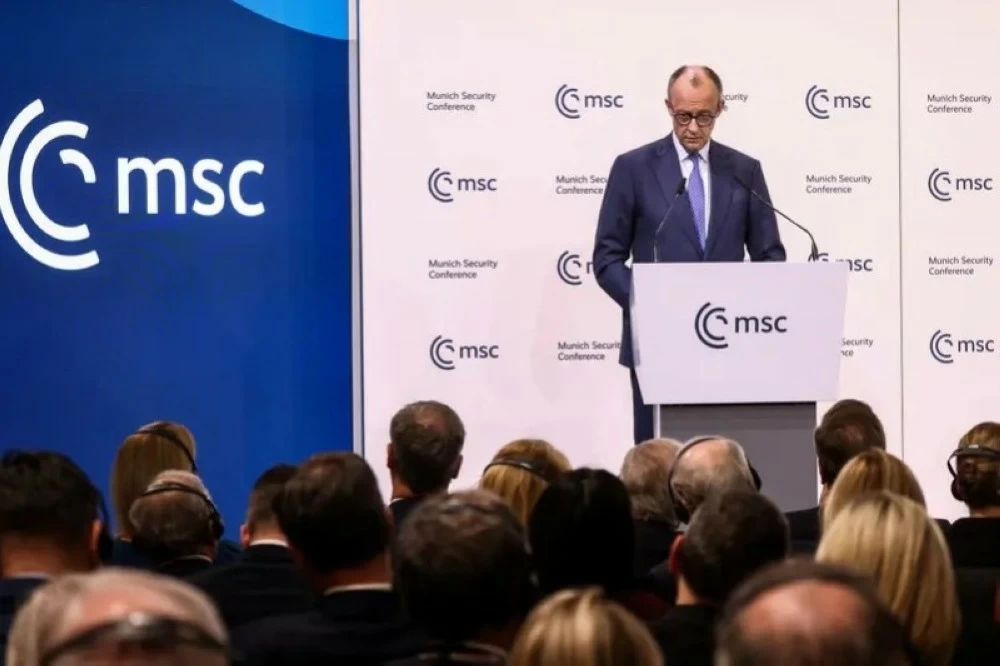
بحضور قادة الدول الأوروبية والولايات المتحدة، أعلن المستشار الألماني فريديريتش ميرتس أن بلاده ترفض التخلي عن الولايات المتحدة، في ظل بعض الخلافات مع سياسة الرئيس الأمريكي دونالد ترمب.
وقال ميرتس في كلمته أمام مؤتمر ميونيخ للأمن، اليوم (الجمعة): «أفهم الشكوك التي تدفع البعض إلى طلب الاستقلال عن الولايات المتحدة، لكن لا يمكن نكران الواقع الجيوسياسي في أوروبا. ودعا إلى مناقشة الخلافات مع أمريكا، وترميم الثقة.
وأضاف أن هناك تضحيات يجب تقديمها، ليس في وقت لاحق، بل الآن، في ظل زيادة الدول الأوروبية لإنفاقها العسكري لمواجهة التهديد الروسي وتراجع الانخراط الأمريكي.
وحذر المستشار الألماني من خطر يهدد الحريات في عصر القوى الكبرى، معتبراً أن الحريات لم تعد أمراً مسلماً به. وشدد على أنه من الضروري التحلّي بالصلابة والإرادة للدفاع عن هذه الحرية.
من جهته، أكد الأمين العام لحلف شمال الأطلسي (الناتو) مارك روتّه، أن الحلف سينحو أكثر نحو قيادة أوروبية، مع استمرار الحضور القوي للولايات المتحدة.
وقال للصحفيين على هامش مؤتمر ميونيخ: "على مدى السنوات القادمة سنرى أكثر فأكثر ناتو بقيادة أوروبية، مع تواجد أمريكي راسخ داخل المنظمة في الوقت عينه".
ولفت إلى أن الحلف سيقوم بذلك خطوة بخطوة، بالتنسيق الوثيق مع الولايات المتحدة، وبالاستناد إلى عملية التخطيط الدفاعي التي يعتمدها.
ويقترب روته إلى حد بعيد من الموقف الألماني تجاه التعامل مع واشنطن، مع تنامي الخلافات بينها وبين الأوروبيين.
وينتهج الرئيس الفرنسي إيمانويل ماكرون سياسة أكثر تشدداً، ويدعو إلى استقلال الاتحاد الأوروبي بشكل تام عن الولايات المتحدة والاعتماد على نفسه، ورفع قدراته الدفاعية والتجارية والاقتصادية.
In the presence of European and United States leaders, German Chancellor Friedrich Merz announced that his country refuses to abandon the United States, despite some disagreements with President Donald Trump's policies.
Merz said in his speech at the Munich Security Conference today (Friday): "I understand the doubts that lead some to seek independence from the United States, but the geopolitical reality in Europe cannot be denied. He called for discussions on the disagreements with America and for rebuilding trust.
He added that there are sacrifices that must be made, not later, but now, as European countries increase their military spending to face the Russian threat and the decline of American engagement.
The German Chancellor warned of a danger threatening freedoms in the age of great powers, considering that freedoms are no longer a given. He emphasized the necessity of having the resilience and will to defend this freedom.
For his part, NATO Secretary General Jens Stoltenberg confirmed that the alliance will increasingly lean towards European leadership, while maintaining a strong presence of the United States.
He told reporters on the sidelines of the Munich Conference: "In the coming years, we will see more and more NATO led by Europe, with a solid American presence within the organization at the same time."
He noted that the alliance will do this step by step, in close coordination with the United States, based on the defense planning process it adopts.
Stoltenberg's position is closely aligned with the German stance on dealing with Washington, amid growing disagreements between it and the Europeans.
French President Emmanuel Macron is adopting a more stringent policy, calling for complete independence of the European Union from the United States and for self-reliance, as well as enhancing its defense, trade, and economic capabilities.