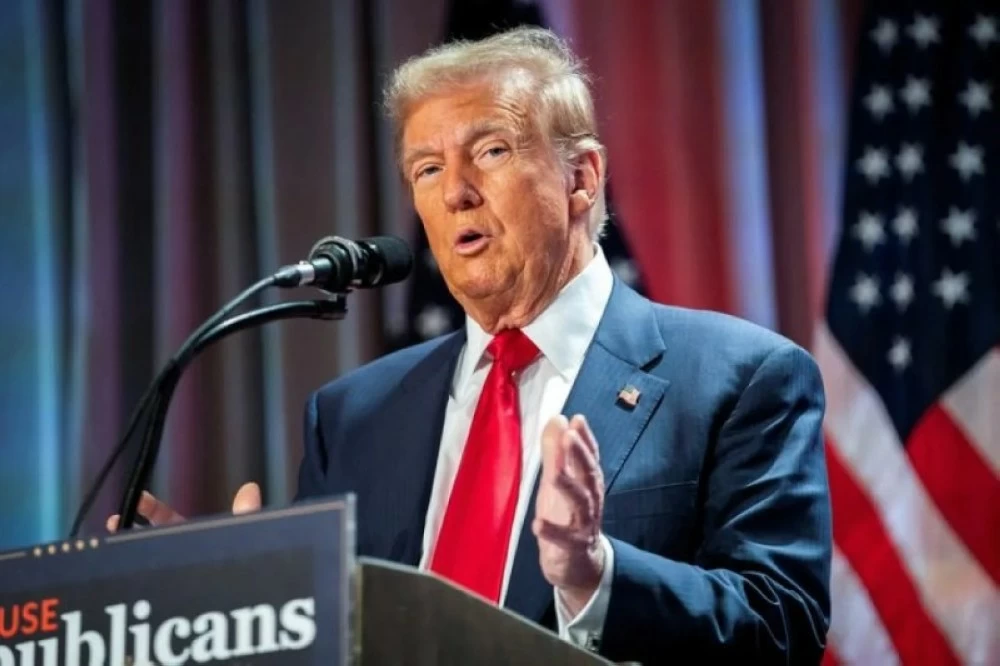
كشفت صحيفة «نيويورك بوست»، أن إدارة الرئيس الأمريكي دونالد ترمب، تدرس خيارات واسعة قد تشمل تغييراً سياسياً في كوبا، إذ تشهد العلاقات الأمريكية الكوبية تصعيداً سياسياً واقتصادياً.
تكثيف الضغط على هافانا
ودعا مشرعون أمريكيون من أصول كوبية واشنطن على تكثيف الضغط على هافانا، مؤكدين أن الحكومة تمر بضعف غير مسبوق، فيما صف الرئيس ترمب كوبا بأنها «دولة فاشلة» لم تعد تتلقى دعماً مالياً من فنزويلا أو غيرها، بعد تهديده بفرض رسوم على الدول التي تبيع النفط لكوبا أو تزودها به.
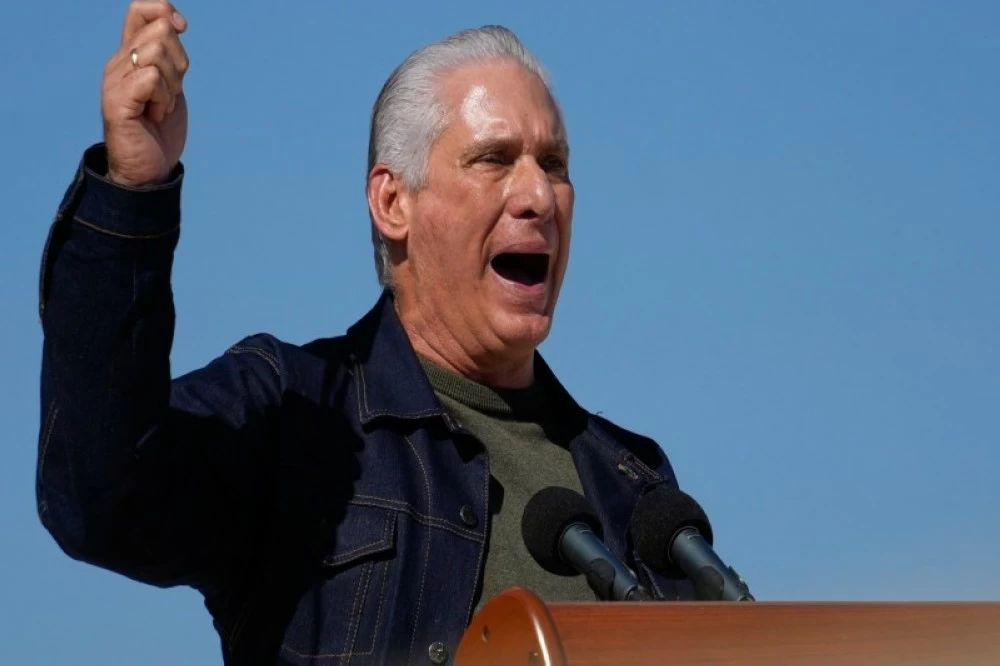
وأقرّ الرئيس الكوبي ميغيل دياز كانيل خلال مؤتمر صحفي نادر، بأن بلاده قد تواجه صعوبة في ضمان توفير الكهرباء أو استمرار الأنشطة الأساسية بسبب نقص الوقود. ولفت إلى أن كوبا تعد خطة دفاع لمواجهة الضغوط الأمريكية، مؤكداً أن سيادة كوبا غير قابلة للنقاش رغم الانفتاح على الحوار.
مفاوضات خلف الكواليس
وتتحدث تقارير أن واشنطن تجري محادثات مع مسؤولين كوبيين رفيعي المستوى، فيما تكشف تسريبات أمريكية قرب التوصل إلى اتفاق. وذكرت تقارير أن نجل الرئيس السابق أليخاندرو كاسترو إسبين، يشارك في هذه الاتصالات التي قد توفر للنظام مخرجاً يسمح له بالبقاء في السلطة ضمن ترتيبات جديدة.
وأفادت بيانات حديثة بتراجع كبير في إمدادات النفط من المكسيك بعد اعتقال الرئيس الفنزويلي نيكولاس مادورو في يناير، إذ انخفضت الشحنات إلى نحو 3000 برميل يومياً، مقارنة بنحو 20 ألف برميل يومياً في عام 2025. وتؤكد تقديرات شركات متخصصة أن مخزون الوقود في كوبا قد يكفي لمدة تتراوح بين 15 و20 يوماً فقط.
ووفقاً لتقارير، تبحث الإدارة الأمريكية، فرض حصار بحري لمنع وصول إمدادات النفط مستقبلاً إلى الجزيرة، ما قد يفاقم الأزمة الاقتصادية ويزيد الضغوط على الحكومة الكوبية.
الاقتصاد الكوبي نحو الانهيار
وحذر مختصون من أن توقف الدعم النفطي الفنزويلي قد يدفع الاقتصاد الكوبي نحو الانهيار، بعد سنوات من الاعتماد على اتفاقات تبادل النفط مقابل إرسال أطباء وعسكريين إلى فنزويلا. وتشير تقديرات أمريكية إلى أن جزءاً كبيراً من النفط الذي تلقته كوبا العام الماضي أعيد بيعه في الأسواق الآسيوية بدلاً من استخدامه محلياً، رغم الانقطاعات المتكررة للكهرباء في البلاد.
لكن مشرعين أمريكيين استبعدوا الحاجة إلى تدخل عسكري مباشر، معتبرين أن استمرار الضغط قد يؤدي إلى انهيار النظام تحت وطأة أزماته الداخلية. ويرى محللون أن احتمال التدخل قد يظل قائماً في حال اندلاع احتجاجات واسعة وقمعها بعنف.
تحديات انتقال السلطة
وحسب خبراء، فإن راؤول كاسترو رغم تركه الرئاسة العام 2021، لا يزال يحتفظ بنفوذ كبير داخل النظام، محذرين من أن أي فراغ في السلطة قد يفتح الباب أمام تدخل قوى دولية مثل روسيا أو الصين.
ولفت هؤلاء إلى أن أي انتقال سياسي في كوبا سيكون معقداً وطويل الأمد، لكنه قد يمثل تحولاً تاريخياً في حال تحققه، بعد أكثر من 6 عقود من الحكم الشيوعي في الجزيرة.
The New York Post revealed that the administration of U.S. President Donald Trump is considering a wide range of options that may include a political change in Cuba, as U.S.-Cuban relations are witnessing a political and economic escalation.
Intensifying Pressure on Havana
U.S. lawmakers of Cuban descent have urged Washington to intensify pressure on Havana, asserting that the government is experiencing unprecedented weakness. President Trump described Cuba as a "failed state" that no longer receives financial support from Venezuela or elsewhere, after threatening to impose tariffs on countries that sell oil to Cuba or supply it.
Cuban President Miguel Díaz-Canel acknowledged during a rare press conference that his country may face difficulties in ensuring electricity supply or maintaining essential activities due to fuel shortages. He noted that Cuba is preparing a defense plan to counter U.S. pressures, emphasizing that Cuba's sovereignty is non-negotiable despite being open to dialogue.
Negotiations Behind the Scenes
Reports indicate that Washington is conducting talks with high-ranking Cuban officials, while U.S. leaks reveal that an agreement may be close. Reports mentioned that the son of former President Alejandro Castro Espín is participating in these communications, which could provide the regime with an exit strategy that allows it to remain in power under new arrangements.
Recent data indicated a significant decline in oil supplies from Mexico following the arrest of Venezuelan President Nicolás Maduro in January, with shipments dropping to about 3,000 barrels per day, compared to approximately 20,000 barrels per day in 2025. Estimates from specialized companies confirm that Cuba's fuel stock may only last between 15 and 20 days.
According to reports, the U.S. administration is considering imposing a maritime blockade to prevent future oil supplies from reaching the island, which could exacerbate the economic crisis and increase pressure on the Cuban government.
The Cuban Economy on the Brink of Collapse
Experts have warned that the cessation of Venezuelan oil support could push the Cuban economy towards collapse, after years of relying on agreements to exchange oil for sending doctors and military personnel to Venezuela. U.S. estimates indicate that a significant portion of the oil Cuba received last year was resold in Asian markets instead of being used domestically, despite the frequent power outages in the country.
However, U.S. lawmakers have ruled out the need for direct military intervention, considering that continued pressure may lead to the collapse of the regime under the weight of its internal crises. Analysts believe that the possibility of intervention may remain if widespread protests erupt and are violently suppressed.
Challenges of Power Transition
According to experts, Raúl Castro, despite leaving the presidency in 2021, still holds significant influence within the system, warning that any power vacuum could open the door for intervention by international powers such as Russia or China.
They pointed out that any political transition in Cuba would be complex and long-term, but it could represent a historic shift if achieved, after more than six decades of communist rule on the island.