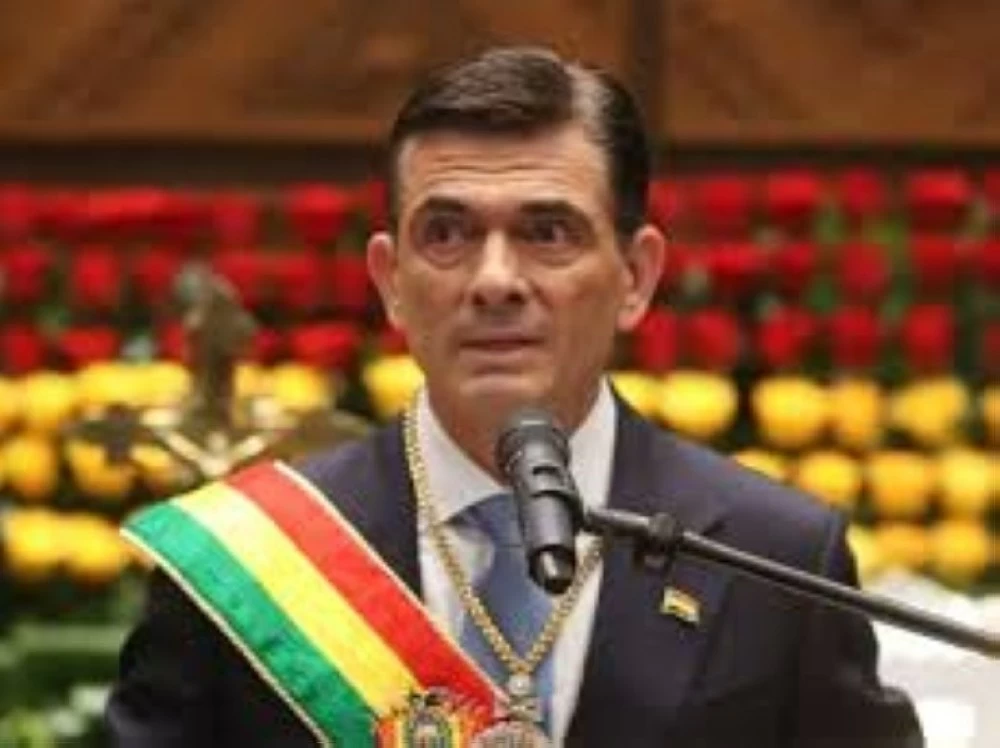
كشف وزير الخارجية البوليفي فرناندو أرامايو، أن الحكومة الجديدة تخطط لاستئناف العلاقات الدبلوماسية الكاملة مع الولايات المتحدة في أقرب وقت، بعد انقطاع دام نحو عقدين من الزمن.
وشهدت العلاقات بين الولايات المتحدة، وهذه الدولة الواقعة في جبال الأنديز، توتراً خلال فترة حكم الزعيم الاشتراكي إيفو موراليس.
وفي عام 2008 طرد موراليس السفير الأمريكي بعد اتهامه بالتآمر ضد حكومته، وردّت واشنطن بالمثل.
وبعد 18 عاماً، يسعى الرئيس البوليفي الجديد رودريغو باز، المنتمي إلى يمين الوسط إلى إعادة رسم تحالفات بلاده، إذ التقى الأربعاء الماضي مع وزير الخارجية الأمريكي ماركو روبيو، في واشنطن لمناقشة إعادة السفراء.
وقال أرامايو في مقابلة مصورة، مساء الخميس، من العاصمة الأمريكية إن «الهدف هو إنجاز هذا الأمر في أسرع وقت».
وكانت بوليفيا أعلنت دعمها لعودة الوكالة الأمريكية لمكافحة المخدرات للمساعدة في مكافحة إنتاج الكوكايين، في ثالث أكبر منتج لهذه المخدرات في العالم.
ويتمثل التحدي أمام حكومة لاباز في تحسين العلاقات مع واشنطن من دون المساس بالعلاقات مع الصين، أكبر دائن ثنائي لبوليفيا.
يذكر أن بكين استثمرت أكثر من 1.2 مليار دولار في بناء الطرق والبنى التحتية للتعدين في بوليفيا الغنية بالليثيوم.
واستبعد أرامايو الاضطرار للاختيار بين علاقات وثيقة مع واشنطن أو بكين، موضحاً أن بلاده بحاجة إلى الانخراط في حوار مع الجميع.
Bolivian Foreign Minister Fernando Aramayo revealed that the new government plans to resume full diplomatic relations with the United States as soon as possible, after a break that lasted nearly two decades.
Relations between the United States and this Andean nation have been tense during the rule of socialist leader Evo Morales.
In 2008, Morales expelled the American ambassador after accusing him of conspiring against his government, and Washington responded in kind.
After 18 years, new Bolivian President Rodrigo Paz, who belongs to the center-right, is seeking to redraw his country's alliances, having met last Wednesday with U.S. Secretary of State Marco Rubio in Washington to discuss the return of ambassadors.
Aramayo said in a video interview on Thursday evening from the U.S. capital that "the goal is to accomplish this as quickly as possible."
Bolivia has announced its support for the return of the U.S. Drug Enforcement Administration to help combat cocaine production, in the world's third-largest producer of this drug.
The challenge for the La Paz government is to improve relations with Washington without jeopardizing ties with China, Bolivia's largest bilateral creditor.
It is worth noting that Beijing has invested more than $1.2 billion in building roads and mining infrastructure in lithium-rich Bolivia.
Aramayo ruled out the need to choose between close relations with Washington or Beijing, explaining that his country needs to engage in dialogue with everyone.