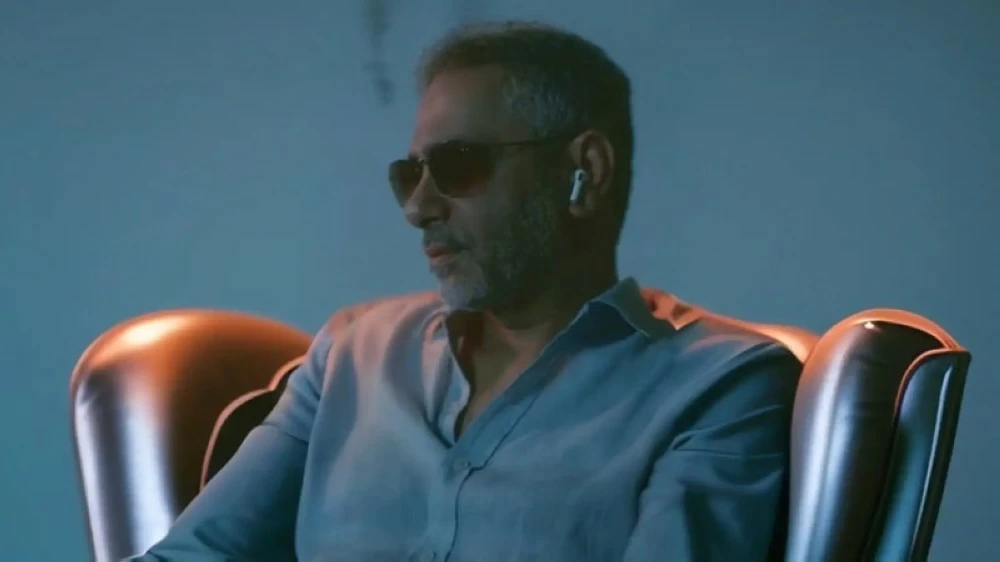
على غير العادة، بدت جلسة محاكمة الفنان فضل شاكر والشيخ أحمد الأسير أمام محكمة جنايات بيروت مختلفة في أجوائها وتفاصيلها، وسط مشاهد غير مألوفة أعادت تسليط الضوء على واحد من أكثر الملفات القضائية إثارة للجدل في لبنان.
عقدت جلسة اليوم (الجمعة) برئاسة القاضي بلال ضناوي، وخُصصت للنظر في الدعوى المقدّمة من مسؤول «سرايا المقاومة» في صيدا هلال حمود، بتهمة محاولة القتل، لكنها سرعان ما تحولت إلى محطة لافتة بسبب تغيّر سلوك وأداء الأطراف المعنية، وفي مقدمتهم فضل شاكر.
وأكدت مصادر إعلامية تابعت الجلسة أن فضل شاكر بدا أكثر هدوءًا وثقة مقارنة بجلسات سابقة، في مشهد عكس ارتياحًا نفسيًا واضحًا. وتمثلت المفاجأة الأبرز في تواصله المباشر مع الصحفيين داخل أروقة المحكمة، في سلوك لم يكن مألوفًا عنه سابقًا، إذ اعتاد الابتعاد عن الإعلام وتجنّب الأضواء.
وخلال حديثه، أشار فضل شاكر إلى متابعته الدقيقة لكل ما يُنشر عن قضيته، في رسالة اعتبرها متابعون محاولة لاستعادة زمام السرد الإعلامي المرتبط باسمه.
وشهدت الجلسة أيضًا لحظة لافتة بدخول هلال حمود إلى قاعة المحكمة مستخدمًا كرسيًا متحركًا، ما أثار انتباه الحاضرين، خاصة بعد تداول أنباء سابقة عن احتمال تراجعه عن الدعوى.
وخلال إفادته، نفى حمود بشكل قاطع حصوله على أي مقابل مالي مقابل إسقاط القضية، مؤكدًا أن قراره السابق جاء استجابة لتدخل سياسي بطلب من الأمين العام السابق لحزب الله هاشم صفي الدين.
وعلى مدى أكثر من ساعتين، أعاد حمود سرد تفاصيل أحداث عبرا الدامية عام 2013، معتبرًا أن بدايتها كانت بإهانات لفظية قبل أن تتطور إلى تهديدات مباشرة ثم إطلاق نار كثيف استهدف منزله، ما اضطره للاختباء قبل تدخل الجيش اللبناني لإخراجه من المنطقة المدرجة بالاشتباكات.
ورغم نفيه وجود خصومة شخصية مباشرة، وجّه حمود اتهامًا واضحًا لفضل شاكر بالتحريض عليه، مدعيًا أنه سمع صوته عبر مكبرات الصوت في مسجد بلال بن رباح، دون أن يقدّم تفسيرًا دقيقًا لكيفية نجاته من إطلاق النار.
في المقابل، شدد فضل شاكر عقب انتهاء الجلسة على أن حضوره أمام القضاء هدفه الوحيد «تنظيف اسمه»، نافيًا بشكل قاطع دخوله المسجد أو أي دور تحريضي، ومؤكدًا أن القضية ذات خلفية سياسية مرتبطة بمواقفه بعد اندلاع الأزمة السورية.
وفي ختام الجلسة، قررت المحكمة تأجيل النظر في القضية إلى 24 أبريل القادم، بعد انتهاء شهر رمضان وعيد الفطر، لاستكمال المرافعات والاستماع إلى دفوع المحامين.
Unusually, the trial session of artist Fadl Shaker and Sheikh Ahmad al-Assir before the Beirut Criminal Court appeared different in its atmosphere and details, amid unfamiliar scenes that brought renewed attention to one of the most controversial judicial files in Lebanon.
Today’s session (Friday) was held under the presidency of Judge Bilal Dnaoui and was dedicated to examining the lawsuit filed by the head of the "Resistance Brigades" in Sidon, Hilal Hamoud, on charges of attempted murder. However, it quickly turned into a notable event due to the change in behavior and performance of the involved parties, foremost among them Fadl Shaker.
Media sources following the session confirmed that Fadl Shaker appeared calmer and more confident compared to previous sessions, in a scene that reflected a clear psychological comfort. The most significant surprise was his direct communication with journalists inside the court corridors, a behavior that was previously unfamiliar to him, as he had been accustomed to staying away from the media and avoiding the spotlight.
During his remarks, Fadl Shaker indicated that he was closely following everything published about his case, in a message that observers considered an attempt to regain control of the media narrative associated with his name.
The session also witnessed a notable moment when Hilal Hamoud entered the courtroom using a wheelchair, which drew the attention of those present, especially after previous reports circulated about the possibility of him retracting the lawsuit.
During his testimony, Hamoud categorically denied receiving any financial compensation in exchange for dropping the case, asserting that his previous decision came in response to political intervention at the request of the former Secretary-General of Hezbollah, Hashim Safi al-Din.
For more than two hours, Hamoud recounted the details of the bloody events in Abra in 2013, considering that their beginning was marked by verbal insults before escalating to direct threats and then heavy gunfire targeting his home, which forced him to hide until the Lebanese army intervened to extract him from the area embroiled in clashes.
Despite denying the existence of any direct personal feud, Hamoud clearly accused Fadl Shaker of inciting against him, claiming that he heard his voice through loudspeakers in the Bilal bin Rabah Mosque, without providing a precise explanation of how he survived the gunfire.
In contrast, Fadl Shaker emphasized after the session that his sole aim in appearing before the judiciary was to "clear his name," categorically denying entering the mosque or any inciting role, and asserting that the case has a political background related to his positions following the outbreak of the Syrian crisis.
At the end of the session, the court decided to postpone the consideration of the case until April 24, after the end of Ramadan and Eid al-Fitr, to complete the pleadings and hear the lawyers' defenses.