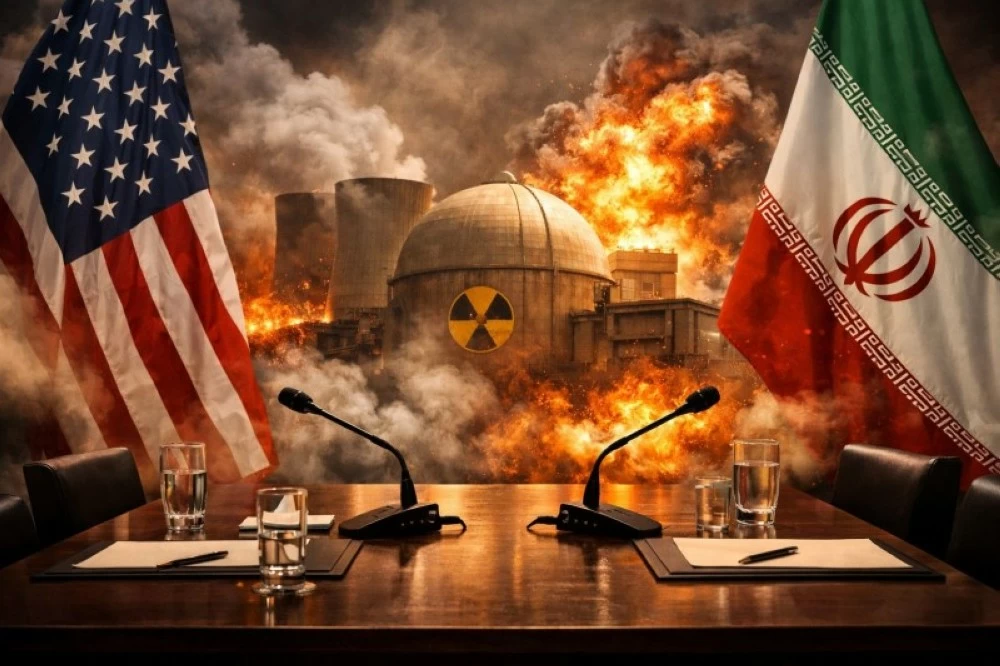
وسط أجواء حذرة وتصعيد عسكري لافت، قلّل البيت الأبيض، أمس (الخميس)، من سقف التوقعات حيال المفاوضات المرتقبة مع إيران بشأن برنامجها النووي، والمقرر عقدها اليوم (الجمعة) في العاصمة العُمانية مسقط.
ترقّب في البيت الأبيض
وقالت المتحدثة باسم البيت الأبيض كارولين ليفيت إن الرئيس الأمريكي دونالد ترمب سيتلقى إحاطة مباشرة من المندوبين المشاركين في المحادثات عقب انتهائها، مؤكدة أن ترمب يترقب نتائج اللقاء لمعرفة ما إذا كان بالإمكان التوصل إلى تفاهم مع طهران، في ظل تعزيز الوجود العسكري الأمريكي في الشرق الأوسط.
الدبلوماسية أولاً
وأشارت ليفيت إلى أن الدبلوماسية تظل الخيار الأول للرئيس الأمريكي في التعامل مع دول العالم، سواء كانت حليفة أو خصماً، موضحة أن خلافات سابقة دارت بين الجانبين حول مكان وشكل المفاوضات، قبل أن يستقر الرأي على عقدها في سلطنة عُمان.
وفد أمريكي مقرّب من ترمب
ويمثل الولايات المتحدة في المفاوضات ستيف ويتكوف، كبير المبعوثين الخارجيين لترمب، إلى جانب صهره جاريد كوشنر، فيما أكدت ليفيت أن الرئيس الأمريكي ينتظر تقريراً مفصلاً عمّا ستسفر عنه المحادثات.
ضغط عسكري ورسائل سياسية
ويأمل ترمب أن يشكّل الحشد العسكري الأمريكي الكبير في المنطقة ورقة ضغط لانتزاع تنازلات إيرانية، لا تقتصر على البرنامج النووي، بل تشمل أيضاً برنامج الصواريخ الباليستية وإيقاف دعم طهران للمليشيات الموالية لها في المنطقة.
طهران: تفاوض بحزم وتجارب لا تُنسى
من جانبها، أعلنت وزارة الخارجية الإيرانية أن وزير الخارجية عباس عراقجي يرأس الوفد المفاوض، مؤكدة أن المحادثات ستُدار «بحزم» وتهدف إلى التوصل إلى تفاهم «عادل ومُرضٍ ومُشرّف للطرفين» بشأن الملف النووي.
وأوضح المتحدث باسم الوزارة إسماعيل بقائي أن إيران تدخل هذه الجولة وهي مدركة تماماً لتجاربها السابقة، بما في ذلك ما وصفه بانتهاكات الالتزامات والعدوان العسكري في يونيو الماضي، إضافة إلى التدخلات الخارجية خلال الاحتجاجات الشعبية الأخيرة، مؤكداً أن هذه التجارب لا تزال تلقي بظلالها على النهج الدبلوماسي لطهران.
أجندة غامضة وخلاف على الأولويات
ولم يُكشف حتى الآن عن جدول أعمال المفاوضات بشكل رسمي، إلا أن الخارجية الإيرانية أكدت سعي طهران لحصر النقاش في البرنامج النووي ورفع العقوبات، في حين تسعى واشنطن إلى توسيع جدول الأعمال ليشمل برنامج الصواريخ الإيرانية ودعمها لحلفائها، ومنهم حركة حماس في غزة، وحزب الله في لبنان، والحوثيون في اليمن
Amid cautious atmospheres and notable military escalation, the White House downplayed expectations regarding the upcoming negotiations with Iran over its nuclear program, scheduled to take place today (Friday) in the Omani capital, Muscat.
Anticipation in the White House
White House spokesperson Caroline Levitt stated that President Donald Trump will receive a direct briefing from the delegates participating in the talks after they conclude, emphasizing that Trump is awaiting the results of the meeting to see if an understanding can be reached with Tehran, amid the bolstering of the U.S. military presence in the Middle East.
Diplomacy First
Levitt indicated that diplomacy remains the president's first choice in dealing with countries around the world, whether allies or adversaries, clarifying that previous disagreements had occurred between the two sides regarding the location and format of the negotiations before the decision was made to hold them in Oman.
U.S. Delegation Close to Trump
The United States is represented in the negotiations by Steve Witkoff, Trump's senior foreign envoy, along with his son-in-law Jared Kushner, while Levitt confirmed that the president is expecting a detailed report on what the talks will yield.
Military Pressure and Political Messages
Trump hopes that the significant U.S. military buildup in the region will serve as leverage to extract Iranian concessions, which are not limited to the nuclear program but also include the ballistic missile program and halting Tehran's support for its allied militias in the region.
Tehran: Negotiating Firmly and Unforgettable Experiences
For its part, the Iranian Foreign Ministry announced that Foreign Minister Abbas Araghchi heads the negotiating delegation, asserting that the talks will be conducted "firmly" and aim to reach a "fair, satisfactory, and honorable understanding for both parties" regarding the nuclear file.
Ministry spokesperson Ismail Baqaei clarified that Iran enters this round fully aware of its previous experiences, including what he described as violations of commitments and military aggression last June, in addition to foreign interventions during the recent popular protests, stressing that these experiences continue to cast a shadow over Tehran's diplomatic approach.
Ambiguous Agenda and Disagreement on Priorities
The agenda for the negotiations has not yet been officially revealed, but the Iranian Foreign Ministry confirmed Tehran's efforts to limit the discussion to the nuclear program and lifting sanctions, while Washington seeks to expand the agenda to include the Iranian missile program and its support for its allies, including Hamas in Gaza, Hezbollah in Lebanon, and the Houthis in Yemen.