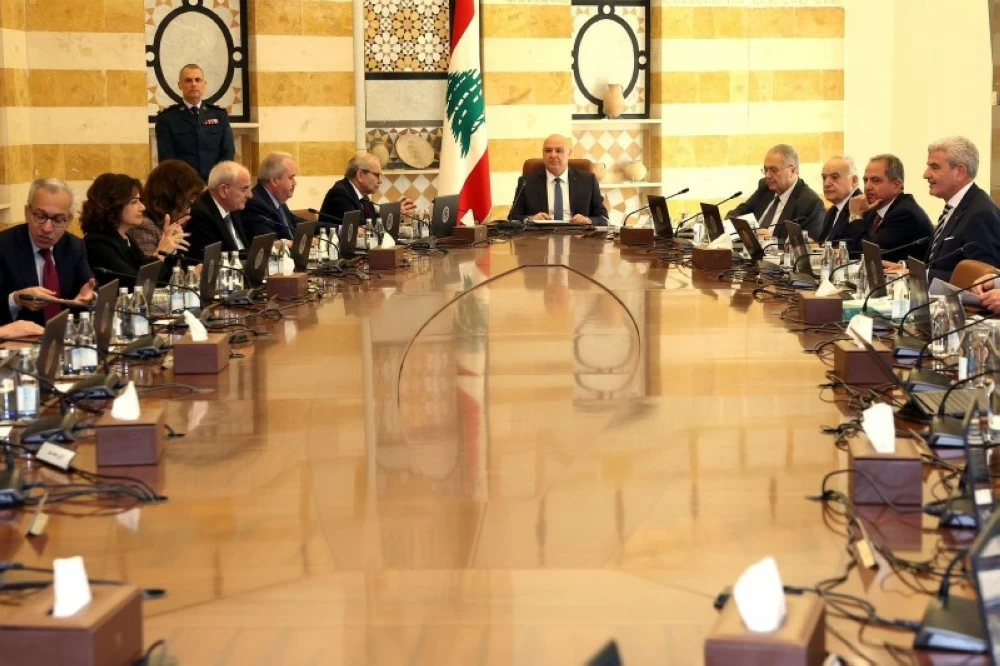
يبدأ لبنان أسبوعه الحاسم مع سلسلة اجتماعات لمجلس الوزراء و«لجنة الميكانيزم»، التي تأتي في توقيت حرج، وسط تصاعد الخطاب الإسرائيلي حول احتمال عملية عسكرية واسعة في لبنان، ومخاوف من انتقال الأوضاع سريعاً من ضغوط سياسية إلى اختبار أمني مباشر.
التركيز ينصب على الجنوب اللبناني، حيث تنتهي المرحلة الأولى من عملية حصر السلاح جنوب نهر الليطاني، والتحضير للمرحلة الثانية الممتدة شماله حتى نهر الأولي عند مدخل الجنوب في صيدا.
أبرز محطة هذا الأسبوع ستكون لقاء لجنة الميكانيزم، الأربعاء، اجتماع عسكري بامتياز، من دون مشاركة المدنيين أو الموفدة الأمريكية مورغان أورتاغوس، ولا الموفد الفرنسي جان إيف لو دريان كما كان مقرراً.
فيما الهدف الرئيسي للاجتماع هو ترتيب الآلية الأمنية لتنفيذ المرحلة الثانية، حصر السلاح شمال الليطاني، ومتابعة تطبيق خطة الجيش اللبناني وخطة اتفاق وقف النار، ما يطرح سلسلة من الأسئلة العملية: ما الإجراءات الميدانية لتثبيت السيطرة على السلاح شمال الليطاني، خصوصاً في المناطق التي لم يتم فيها تسييج أو إزالة البنى التحتية العسكرية غير القانونية؟ كيف سيعالج الجيش أي رفض أو تعطيل من حزب الله للمرحلة الثانية دون أن تتحول العملية إلى مواجهة مفتوحة؟ ما الضوابط والإجراءات للتحقق عملياً من إزالة السلاح والبنى التحتية في جنوب الليطاني، قبل الانتقال إلى شماله؟ وكيف سيتعامل الميكانيزم مع التوقيت الحساس، الذي يتزامن مع اجتماع الكابينت الإسرائيلي المقرر الخميس، في نفس يوم جلسة مجلس الوزراء اللبناني؟
وفي سياق جلسة مجلس الوزراء المقررة، الخميس، فإنها ستستعرض التقرير الرابع لقيادة الجيش حول المرحلة الأولى من حصر السلاح جنوب الليطاني. التقرير المتوقع الإعلان فيه عن إنجاز هذه المرحلة سيمثل المدخل الرسمي للمرحلة الثانية، ويشكل خطوة حاسمة في تثبيت الإجراءات الأمنية على الأرض.
وعليه، فإن الأيام القليلة القادمة ستكشف تفاصيل المرحلة الثانية لحصر السلاح، وتوضح المسار الفعلي لتطبيق خطة الجيش، وسط ضغط متواصل من التطورات الإقليمية وحساسيات الداخل اللبناني.
Lebanon begins its decisive week with a series of meetings for the Cabinet and the "Mechanism Committee," which come at a critical time, amid rising Israeli rhetoric about the possibility of a large-scale military operation in Lebanon, and fears of a rapid shift from political pressures to a direct security test.
The focus is on southern Lebanon, where the first phase of the arms control process south of the Litani River is concluding, and preparations for the second phase extending north to the Awali River at the southern entrance in Sidon are underway.
The highlight of this week will be the meeting of the Mechanism Committee on Wednesday, a purely military meeting, without the participation of civilians or the American envoy Morgan Ortagus, nor the French envoy Jean-Yves Le Drian as was planned.
While the main goal of the meeting is to arrange the security mechanism for implementing the second phase, the arms control north of the Litani, and to follow up on the implementation of the Lebanese Army's plan and the ceasefire agreement, this raises a series of practical questions: What are the field procedures to establish control over the arms north of the Litani, especially in areas where illegal military infrastructure has not been fenced or removed? How will the army address any refusal or obstruction from Hezbollah regarding the second phase without the operation turning into an open confrontation? What are the controls and procedures to practically verify the removal of arms and infrastructure in southern Litani before moving to the north? And how will the mechanism deal with the sensitive timing, coinciding with the scheduled Israeli cabinet meeting on Thursday, the same day as the Lebanese Cabinet session?
In the context of the scheduled Cabinet session on Thursday, it will review the fourth report from the Army Command regarding the first phase of arms control south of the Litani. The report, expected to announce the completion of this phase, will represent the official entry into the second phase and constitutes a decisive step in establishing security measures on the ground.
Thus, the coming days will reveal the details of the second phase of arms control and clarify the actual path for implementing the Army's plan, amid ongoing pressure from regional developments and sensitivities within Lebanon.