أعلنت وزارة الخارجية الأمريكية، موافقتها الرسمية على طلب تقدمت به الحكومة الدانماركية لشراء طائرات الدورية البحرية متعددة المهمات من طراز Boeing P-8A Poseidon، في صفقة محتملة تبلغ قيمتها 1.8 مليار دولار.
ستحل الطائرات الجديدة محل أسطول الدانمارك الحالي.
ووفق إشعار وكالة التعاون الأمني الدفاعي الأمريكية، تشمل الصفقة ما يصل إلى ثلاث طائرات P-8A، إلى جانب حزمة شاملة من أنظمة المهمات، وقطع الغيار، ومعدات الدعم الأرضي، وأجهزة الاتصالات والملاحة، وبرامج التدريب، والدعم اللوجستي طويل الأمد.
وأكدت الوكالة أن الصفقة لن تغير التوازن العسكري الإقليمي، وأن الدانمارك قادرة على دمج الطائرات والأنظمة في قواتها المسلحة بكفاءة.
ستحل الطائرات الجديدة محل أسطول الدانمارك الحالي.
تعزيز القدرات الدفاعية
وجاءت الموافقة بعد أسابيع من إعلان كوبنهاغن في سبتمبر الماضي نيتها المضي قدماً في برنامج اقتناء الطائرات، إذ قدرت السلطات الدانماركية التكلفة الإجمالية للحزمة بما في ذلك الطائرات والمعدات المصاحبة بأكثر من 1.3 مليار يورو.
وستحل الطائرات الجديدة محل أسطول الدانمارك الحالي من طائرات Bombardier Challenger CL-604 المعدلة للدورية، التي تعاني من قيود في الأداء والمدى.
يأتي القرار في سياق إستراتيجي أوروبي واسع لتعزيز القدرات الدفاعية في شمال المحيط الأطلسي وبحر البلطيق، وسط تصاعد التوترات الجيوسياسية مع روسيا وزيادة النشاط البحري بما في ذلك الغواصات في منطقة GIUK Gap (غرينلاند، إيسلندا، المملكة المتحدة)، إضافة إلى أهمية مراقبة المياه حول غرينلاند وجزر الفارو التابعة للدانمارك.
ستحل الطائرات الجديدة محل أسطول الدانمارك الحالي.
الطائرة الأكثر تطوراً في العالم
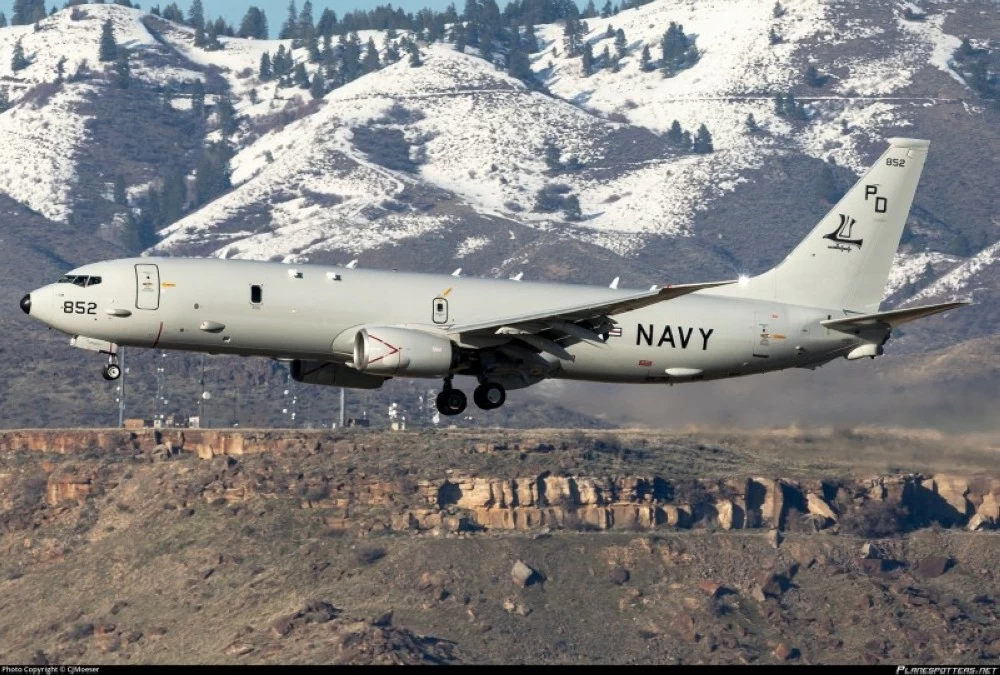
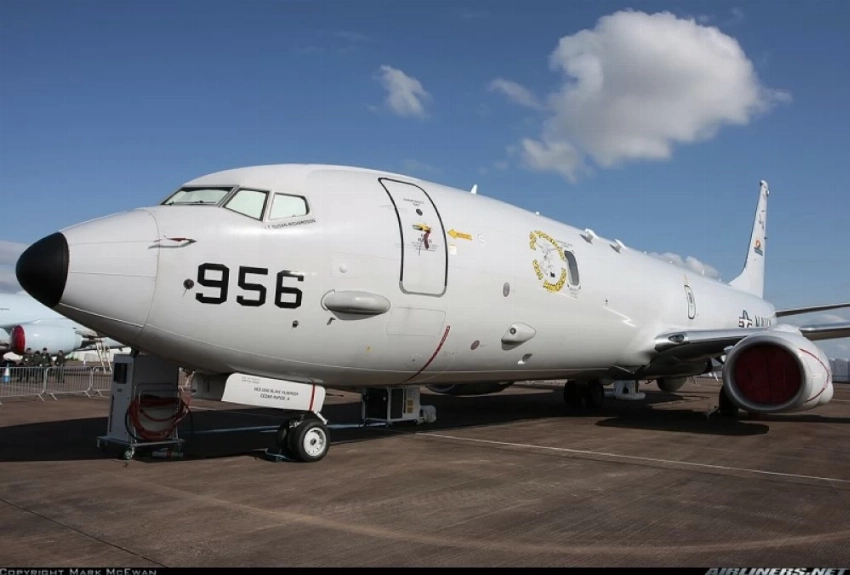
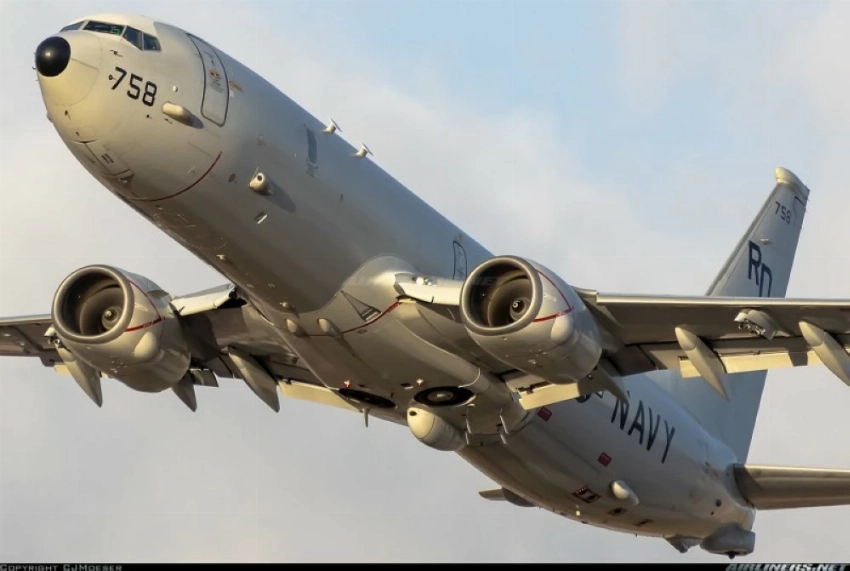
وتعتبر طائرة Boeing P-8A Poseidon أحدث وأكثر طائرات الدورية البحرية تطوراً في العالم، مشتقة من هيكل Boeing 737 المدني، ومجهزة برادار AN/APY-10، وأجهزة استشعار إلكترو-بصرية/أشعة تحت الحمراء، والقدرة على إسقاط 126 عوامة صوتية، وأسلحة مضادة للغواصات والسطح، وتتميز بمدى طويل، وقدرة على التحليق لساعات طويلة، وتكامل عالٍ مع أنظمة «الناتو».
وحتى نهاية 2025، يشغّل الطائرة خمسة أعضاء في «الناتو»: الولايات المتحدة المشغل الرئيسي، وكندا، والمملكة المتحدة، والنرويج، وألمانيا.
وتتزايد الطلبات الأوروبية، مع اهتمام محتمل من إيطاليا، وهولندا، وفرنسا التي تفكر في استبدال طائراتها Atlantique 2، لتعكس الصفقة زيادة الإنفاق الدفاعي في أوروبا بعد 2022، وتعزيز القدرات الجماعية لحلف شمال الأطلسي في مواجهة التهديدات تحت الماء والمراقبة البحرية الواسعة.
The U.S. Department of State has officially announced its approval of a request submitted by the Danish government to purchase multi-mission maritime patrol aircraft of the Boeing P-8A Poseidon model, in a potential deal valued at $1.8 billion.
ستحل الطائرات الجديدة محل أسطول الدانمارك الحالي.
According to a notice from the U.S. Defense Security Cooperation Agency, the deal includes up to three P-8A aircraft, along with a comprehensive package of mission systems, spare parts, ground support equipment, communication and navigation devices, training programs, and long-term logistical support.
The agency confirmed that the deal will not alter the regional military balance, and that Denmark is capable of efficiently integrating the aircraft and systems into its armed forces.
ستحل الطائرات الجديدة محل أسطول الدانمارك الحالي.
Enhancing Defense Capabilities
The approval came after weeks following Copenhagen's announcement last September of its intention to proceed with the aircraft acquisition program, as Danish authorities estimated the total cost of the package, including the aircraft and accompanying equipment, to exceed 1.3 billion euros.
The new aircraft will replace Denmark's current fleet of modified Bombardier Challenger CL-604 patrol aircraft, which suffer from performance and range limitations.
This decision comes within a broader European strategic context to enhance defense capabilities in the North Atlantic and the Baltic Sea, amid rising geopolitical tensions with Russia and increased maritime activity, including submarines in the GIUK Gap (Greenland, Iceland, the United Kingdom), in addition to the importance of monitoring waters around Greenland and the Faroe Islands, which belong to Denmark.
ستحل الطائرات الجديدة محل أسطول الدانمارك الحالي.
The Most Advanced Aircraft in the World
The Boeing P-8A Poseidon is considered the latest and most advanced maritime patrol aircraft in the world, derived from the civilian Boeing 737 airframe, and equipped with the AN/APY-10 radar, electro-optical/infrared sensors, the capability to drop 126 sonobuoys, anti-submarine and surface weapons, featuring a long range, the ability to fly for extended hours, and high integration with NATO systems.
As of the end of 2025, the aircraft is operated by five NATO members: the United States as the primary operator, Canada, the United Kingdom, Norway, and Germany.
European demand is increasing, with potential interest from Italy, the Netherlands, and France, which is considering replacing its Atlantique 2 aircraft, reflecting the deal's increase in defense spending in Europe post-2022, and enhancing NATO's collective capabilities in facing underwater threats and extensive maritime surveillance.