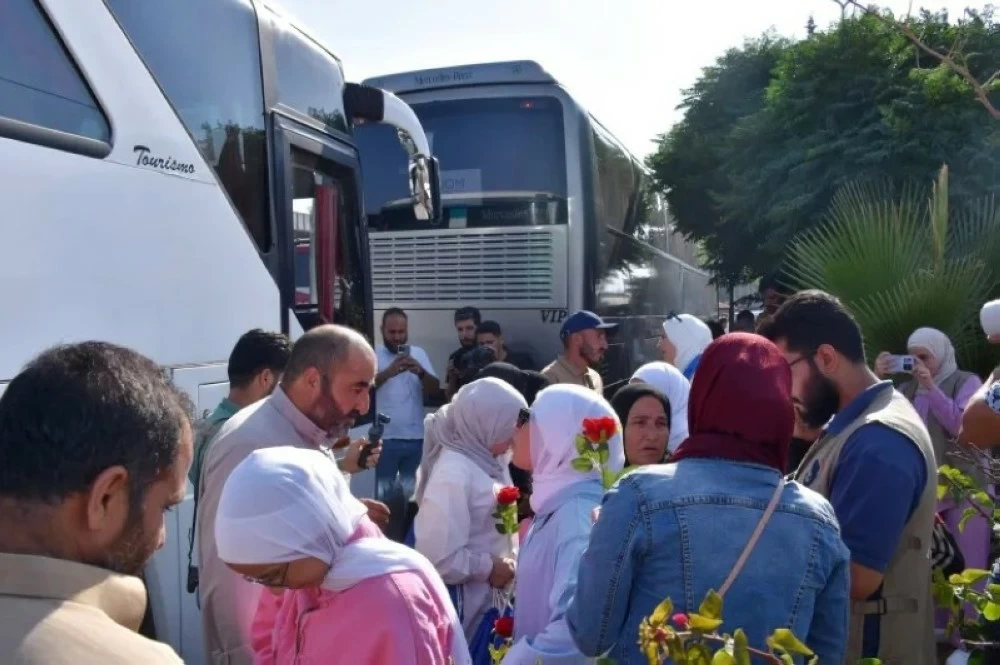
رجحت المفوضية السامية للأمم المتحدة لشؤون اللاجئين، عودة نحو مليون لاجئ سوري خلال عام 2026، في ظل التعافي التدريجي الذي تشهده البلاد عقب سقوط نظام بشار الأسد في 8 ديسمبر 2024.
عودة 1.3 مليون لاجئ
وقال ممثل المفوضية في سورية غونزالو فارغاس يوسا في مقابلة مع وكالة «الأناضول»: إن نحو 1.3 مليون لاجئ سوري عادوا بالفعل إلى بلادهم منذ ديسمبر 2024، إضافة إلى نحو مليوني شخص من النازحين داخليا الذين عادوا إلى مناطقهم الأصلية.
واعتبر أن ذلك يعني أن أكثر من 3 ملايين سوري عادوا خلال فترة زمنية قصيرة نسبيا إلى مناطقهم في بلد أنهكته الحرب على المستويات الاقتصادية والبنيوية والخدمية.
وأضاف أنه كان في سورية قبل أشهر قليلة من سقوط النظام السابق، وشهد عن قرب مرحلة الانتقال السياسي، مشيرا إلى أن الخوف الذي كان يهيمن على المجتمع السوري تراجع بسرعة ليحل محله شعور واسع بالأمل.
عملية انتقالية معقدة
وقال المسؤول الأممي إنه توجه مع فريقه يوم 9 ديسمبر 2024 إلى الحدود اللبنانية، حيث شاهد آلاف السوريين يعودون تلقائيا إلى بلادهم بعد أكثر من 14 عاما من اللجوء القسري.
وقدّر يوسا عودة نحو مليون شخص إضافي عام 2026، ما يعني أن أكثر من 4 ملايين سوري سيعودون خلال فترة عامين، لافتا إلى أن هذا الحجم الكبير من العودة يتم في ظروف بالغة الصعوبة، ما يجعل الدعم المالي الدولي مسألة عاجلة وحاسمة لضمان الاستقرار ومنع تفاقم الأزمات الإنسانية.
وفي تقييمه للمرحلة الراهنة اعتبر يوسا أن ما تشهده سورية هو عملية انتقالية معقدة ستستغرق وقتا، في ظل الدمار الواسع الذي خلفته الحرب على مدى 14 عاما. وقال إنه من الطبيعي أن تكون البلاد مدمرة اقتصاديا وبنيويا بعد حرب طويلة، والتعافي لن يكون فوريا.
ولفت إلى أن سورية كانت معزولة عن الساحة الدولية لأكثر من 14 عاما، قبل أن تعود خلال عام واحد فقط إلى إقامة علاقات مع عدد متزايد من الدول، وهو ما اعتبره تطورا بالغ الأهمية.
رفع العقوبات الدولية
وأعرب يوسا عن أمله في أن يفتح رفع العقوبات الباب أمام استثمارات واسعة من القطاع الخاص، في خطوة ضرورية لمرحلة إعادة الإعمار والتنمية، موضحا أن المفوضية وشركاءها يقدمون دعما مباشرا للعائدين، خصوصا في ما يتعلق بإعادة استخراج الوثائق الرسمية. ولفت إلى أن أكثر من ربع العائدين يفتقرون إلى وثائق أساسية مثل الهويات الشخصية أو سندات الملكية.
ووقّع الرئيس الأمريكي دونالد ترمب في حفل بالبيت الأبيض قانون تفويض الدفاع الوطني لعام 2026 والمتضمن بندا لإلغاء العقوبات المفروضة على سورية بموجب قانون قيصر، وبذلك تم رفع العقوبات رسميا عنها.
ورحبت الخارجية السورية في بيان، الجمعة، برفع العقوبات المفروضة على سوريا بموجب قانون قيصر وما تضمنه من إجراءات أثرت على مختلف مناحي الحياة المعيشية والاقتصادية.
The United Nations High Commissioner for Refugees has estimated that around one million Syrian refugees will return during the year 2026, amid the gradual recovery that the country is witnessing following the fall of Bashar al-Assad's regime on December 8, 2024.
Return of 1.3 million refugees
Gonzalo Vargas Llosa, the UNHCR representative in Syria, stated in an interview with Anadolu Agency that approximately 1.3 million Syrian refugees have already returned to their country since December 2024, in addition to around two million internally displaced persons who have returned to their original areas.
He considered that this means that more than 3 million Syrians have returned in a relatively short period to their areas in a country that has been ravaged by war on economic, structural, and service levels.
He added that he was in Syria just a few months before the fall of the previous regime and witnessed closely the political transition phase, noting that the fear that dominated Syrian society quickly diminished, replaced by a widespread sense of hope.
Complex transitional process
The UN official said he and his team went to the Lebanese border on December 9, 2024, where they saw thousands of Syrians returning voluntarily to their country after more than 14 years of forced exile.
Vargas Llosa estimated that around one million additional people will return in 2026, meaning that more than 4 million Syrians will return over a two-year period, pointing out that this large scale of return is occurring under extremely difficult conditions, making international financial support an urgent and critical matter to ensure stability and prevent the worsening of humanitarian crises.
In his assessment of the current phase, Vargas Llosa considered that what Syria is experiencing is a complex transitional process that will take time, given the extensive destruction left by the war over 14 years. He stated that it is natural for the country to be economically and structurally devastated after a long war, and recovery will not be immediate.
He noted that Syria had been isolated from the international arena for more than 14 years before it returned in just one year to establish relations with an increasing number of countries, which he considered a highly significant development.
Lifting of international sanctions
Vargas Llosa expressed hope that lifting the sanctions would open the door to extensive investments from the private sector, a necessary step for the reconstruction and development phase, explaining that the UNHCR and its partners provide direct support to returnees, especially regarding the re-extraction of official documents. He pointed out that more than a quarter of returnees lack essential documents such as personal identities or property deeds.
U.S. President Donald Trump signed the National Defense Authorization Act for 2026 at a ceremony at the White House, which included a provision to lift the sanctions imposed on Syria under the Caesar Act, thus officially lifting the sanctions.
The Syrian Foreign Ministry welcomed in a statement on Friday the lifting of the sanctions imposed on Syria under the Caesar Act and the measures it included that affected various aspects of living and economic conditions.