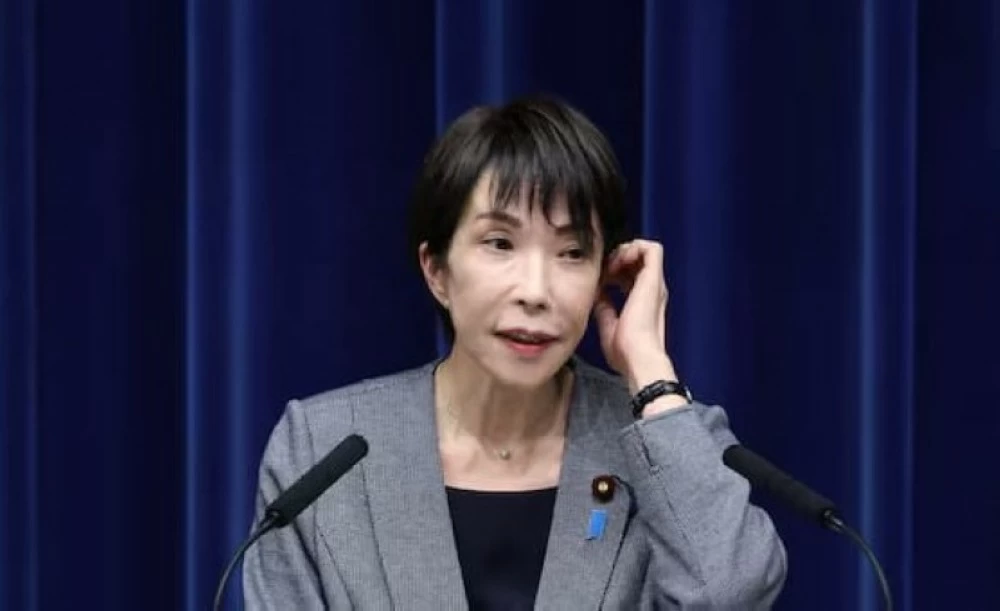
أكدت اليابان، اليوم (الجمعة) التزامها الراسخ منذ عقود بعدم امتلاك أسلحة نووية، وذلك بعد تقارير إعلامية محلية كشفت عن اقتراح مسؤول أمني رفيع المستوى في مكتب رئيسة الوزراء ساناي تاكايتشي بأن تحصل البلاد على ترسانة نووية لردع التهديدات المحتملة.
مسؤول ياباني يقترح امتلاك أسلحة نووية
وفقاً لتقارير هيئة الإذاعة العامة «إن إتش كيه» ووسائل إعلام أخرى، أعرب المسؤول الياباني عن الحاجة إلى أسلحة نووية بسبب تدهور البيئة الأمنية المحيطة باليابان، معترفاً في الوقت نفسه بأن مثل هذه الخطوة ستكون صعبة سياسياً.
ووصفت التقارير هذا المسؤول بأنه يعمل في مكتب رئيسة الوزراء ساناي تاكايتشي.
حكومة اليابان ترد على المقترح
وفي مؤتمر صحفي دوري في طوكيو، أكد الأمين العام لمجلس الوزراء مينورو كيهارا أن السياسة النووية اليابانية لم تتغير، رافضاً التعليق على التصريحات المسربة أو تحديد ما إذا كان المسؤول سيبقى في منصبه، وسط مطالب من قادة المعارضة بإقالته.
استعداد سياسي
وبحسب وكالة «رويترز» كشفت تحقيقات سابقة عن تزايد الاستعداد السياسي والعام في اليابان لتخفيف «المبادئ الثلاثة غير النووية»، التي تمنع امتلاك أو تصنيع أو السماح بدخول أسلحة نووية إلى الأراضي اليابانية.
ويأتي هذا التوجه وسط شكوك متزايدة حول موثوقية الضمانات الأمنية الأمريكية في عهد الرئيس دونالد ترمب، إلى جانب التهديدات المتفاقمة من الجيران المسلحين نووياً: الصين وروسيا وكوريا الشمالية.
جدل مستمر لقضية حساسة
ورغم أن الموضوع يظل حساساً للغاية في البلد الوحيد الذي تعرض لقصف ذري، إلا أن بعض نواب الحزب الحاكم الليبرالي الديمقراطي، الذي تتزعمه تاكايتشي، اقترحوا السماح للولايات المتحدة بإدخال أسلحة نووية عبر غواصات أو منصات أخرى لتعزيز الردع.
وفي الشهر الماضي، أثارت رئيسة الوزراء ساناي تاكايتشي جدلاً شخصياً عندما رفضت التأكيد على عدم تغيير هذه المبادئ الثلاثة أثناء صياغة إستراتيجية دفاعية جديدة العام القادم.
ويرى ستيفن ناغي، أستاذ السياسة في جامعة المسيحية الدولية في طوكيو، أن إطلاق مثل هذه «البالونات الاختبارية» يتيح فرصة لبناء توافق حول تغييرات محتملة في السياسة الأمنية، مشيراً إلى أن التصعيد الصيني والتعاون الصاروخي بين موسكو وبيونغ يانغ يخلقان زخماً حقيقياً لإعادة التفكير في النهج الأمني الياباني.
فيما دعا تارو كونو، نائب بارز في الحزب الحاكم ووزير دفاع وخارجية سابق، يوم الجمعة إلى نقاش واسع حول إيجابيات وسلبيات امتلاك أسلحة نووية، معتبراً أن تجنب هذا الحوار غير مجدٍ.
مناقشات تاريخية
تاريخياً، ظلت مناقشات امتلاك أو استضافة أسلحة نووية محظورة بسبب قصف هيروشيما وناغازاكي في نهاية الحرب العالمية الثانية، والدستور السلمي الذي اعتمد بعد الهزيمة.
أما منظمة «نيهون هيدانكيو»، التي تضم ناجين من القصف الذري وحازت جائزة نوبل للسلام العام الماضي لجهودها في عالم خالٍ من الأسلحة النووية، فقد أصدرت بياناً شددت فيه على أنها «لا يمكن أن تتسامح مطلقاً مع مثل هذه التصريحات».
مخاطر إثارة غضب دول الجوار
كما يحمل هذا النقاش مخاطر إثارة غضب الدول المجاورة، خاصة الصين المنافسة أمنياً. ووصف المتحدث باسم وزارة الخارجية الصينية غو جياكون الوضع بـ«الخطير للغاية» إذا ثبتت صحة التقارير، متهماً اليابان بـ«السعي المستمر لأفعال وخطابات خاطئة في المجال العسكري الأمني».
توتر العلاقات بين طوكيو وبكين
وتأتي هذه التطورات وسط توتر متزايد في العلاقات بين طوكيو وبكين، بعد تصريح تاكايتشي الشهر الماضي بأن هجوماً صينياً على تايوان يهدد اليابان مباشرة قد يستدعي رداً عسكرياً، في إشارة إلى مطالبة بكين بالجزيرة الديمقراطية.
Japan confirmed today (Friday) its long-standing commitment for decades to not possess nuclear weapons, following local media reports revealing a proposal from a senior security official in Prime Minister Sanae Takagi's office suggesting that the country acquire a nuclear arsenal to deter potential threats.
A Japanese Official Proposes Nuclear Weapons
According to reports from the public broadcaster "NHK" and other media, the Japanese official expressed the need for nuclear weapons due to the deteriorating security environment surrounding Japan, while also acknowledging that such a move would be politically difficult.
The reports described this official as working in Prime Minister Sanae Takagi's office.
The Japanese Government Responds to the Proposal
In a regular press conference in Tokyo, Cabinet Secretary General Minoru Kihara confirmed that Japan's nuclear policy has not changed, refusing to comment on the leaked statements or to specify whether the official would remain in his position, amid calls from opposition leaders for his dismissal.
Political Readiness
According to Reuters, previous investigations have revealed an increasing political and public readiness in Japan to relax the "three non-nuclear principles," which prohibit the possession, production, or allowing the entry of nuclear weapons into Japanese territory.
This shift comes amid growing doubts about the reliability of U.S. security guarantees during President Donald Trump's administration, alongside escalating threats from nuclear-armed neighbors: China, Russia, and North Korea.
Ongoing Controversy Over a Sensitive Issue
Although the topic remains extremely sensitive in the only country to have experienced atomic bombings, some lawmakers from the ruling Liberal Democratic Party, led by Takagi, have suggested allowing the United States to introduce nuclear weapons via submarines or other platforms to enhance deterrence.
Last month, Prime Minister Sanae Takagi sparked personal controversy when she refused to confirm that these three principles would not change while formulating a new defense strategy next year.
Stephen Nagy, a political science professor at International Christian University in Tokyo, believes that launching such "trial balloons" provides an opportunity to build consensus around potential changes in security policy, noting that Chinese escalation and missile cooperation between Moscow and Pyongyang are creating real momentum to rethink Japan's security approach.
Meanwhile, Taro Kono, a prominent lawmaker in the ruling party and former Minister of Defense and Foreign Affairs, called on Friday for a broad discussion on the pros and cons of possessing nuclear weapons, considering that avoiding this dialogue is unproductive.
Historical Discussions
Historically, discussions about possessing or hosting nuclear weapons have been prohibited due to the bombings of Hiroshima and Nagasaki at the end of World War II, and the pacifist constitution adopted after the defeat.
The "Nihon Hidankyo" organization, which includes survivors of the atomic bombings and won the Nobel Peace Prize last year for its efforts toward a nuclear-free world, issued a statement emphasizing that it "can never tolerate such statements."
Risks of Angering Neighboring Countries
This discussion also carries the risks of angering neighboring countries, especially the security-competitive China. Chinese Foreign Ministry spokesperson Zhao Lijian described the situation as "extremely dangerous" if the reports prove true, accusing Japan of "continuously seeking wrong actions and rhetoric in the military-security field."
Tensions in Relations Between Tokyo and Beijing
These developments come amid increasing tensions in relations between Tokyo and Beijing, following Takagi's statement last month that a Chinese attack on Taiwan, which directly threatens Japan, could warrant a military response, referring to Beijing's claims over the democratic island.