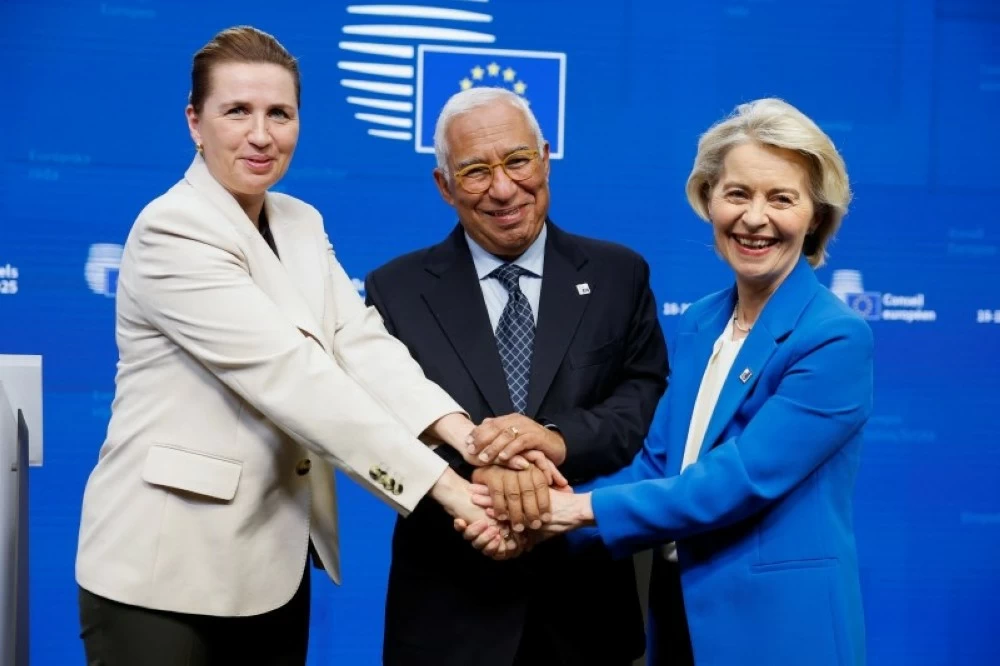
أخفق الاتحاد الأوروبي، اليوم (الجمعة)، في التوصل إلى اتفاق بشأن استخدام الأصول الروسية المجمدة لتمويل أوكرانيا، بعد قمة استمرت 16 ساعة في بروكسل، فيما اعتبر أنه انتكاسة كبيرة للمستشار الألماني فريدريش ميرتس ورئيسة المفوضية الأوروبية أورسولا فون دير لاين.
خطة طوارئ بديلة
واضطرت دول التكتل إلى الاتفاق على خطة طوارئ بديلة تقوم على الاقتراض المشترك للاتحاد الأوروبي، وهي الخطة التي دفع باتجاهها منذ أسابيع رئيس الوزراء البلجيكي بارت دي ويفر، وكانت تُعد احتمالاً ضعيفاً حتى ساعات قليلة قبل إبرام الاتفاق.
وقال ميرتس إن قادة الاتحاد الأوروبي قرروا بالإجماع تقديم قرض لأوكرانيا بدون فوائد قيمته 90 مليار يورو (105.53 مليار دولار) لتغطية احتياجاتها التمويلية للجيش والميزانية للعامين المقبلين.
وكشف موقع«بوليتيكو». 3 دول هي المجر وسلوفاكيا وجمهورية التشيك، لن تشارك في الخطة، في ضربة إضافية لوحدة الاتحاد الأوروبي.
انتصار القانون وصوت العقل
واعتبر المبعوث الخاص للرئيس الروسي لشؤون الاستثمار والتعاون الاقتصادي كيريل دميترييف، أن «القانون وصوت العقل» انتصرا، بعد أن قرر قادة الاتحاد الأوروبي الاقتراض بدلاً من استخدام الأصول الروسية المجمدة.
وكتب على «إكس»، في إشارة إلى رئيسة مفوضية الاتحاد الأوروبي أورسولا فون دير لاين «ضربة كبيرة لدعاة الحرب في الاتحاد الأوروبي بقيادة أورسولا الفاشلة - أصوات العقل في الاتحاد الأوروبي منعت الاستخدام غير القانوني للاحتياطيات الروسية لتمويل أوكرانيا».
دعم أوكرانيا مضمون
من جانبها، قالت رئيسة الوزراء الدنماركية مِته فريدريكسن مع اختتام القمة عند الساعة الثالثة فجراً بتوقيت بروكسل: «الخلاصة بعد اليوم هي أن دعمنا لأوكرانيا مضمون».
ويوفر هذا الاتفاق شريان حياة حاسماً لاقتصاد أوكرانيا المنهك بالحرب، في وقت تواجه فيه خطر أزمة سيولة وشيكة قد تبدأ في الربيع المقبل، مع استمرار صراعها مع روسيا للعام الرابع على التوالي.
فيما قال رئيس الوزراء البلجيكي بارت دي ويفر: «بالطبع لم يعجب ذلك بعض الناس... فهم يريدون معاقبة الرئيس الروسي فلاديمير بوتين بأخذ أمواله». لكنه أضاف أن «السياسة ليست عملاً عاطفياً»، وأن «العقلانية هي التي انتصرت».
خطة مثيرة للجدل
وكانت السلطة التنفيذية في الاتحاد الأوروبي وبرلين تضغطان على الدول الأعضاء لوضع اللمسات الأخيرة على خطة مثيرة للجدل لاستخدام ما يصل إلى 210 مليارات يورو من الأصول الروسية المجمدة لتمويل أوكرانيا. ونجح دي ويفر مرة أخرى في منع حدوث ذلك، بعد أن عرقل بالفعل خطة الأصول الروسية خلال قمة سابقة في أكتوبر.
وبدلاً من ذلك، اتفق القادة على الاقتراض المشترك بمبلغ 90 مليار يورو لتمويل قرض لأوكرانيا على مدى عامين، على أن يكون مضموناً من ميزانية الاتحاد الأوروبي المشتركة.
ورغم أن هذا الخيار لاقى قبولاً لدى دول جنوب أوروبا، فإنه لم يكن مفضلاً لدى ألمانيا وحلفائها من دول شمال أوروبا، الذين عارضوا تقليدياً تحمل ديون مشتركة لصالح شركائهم ذوي المديونية المرتفعة.
ضمانات مالية إضافية
ومع معارضة بلجيكا الشديدة لخطة استخدام الأصول الروسية لتمويل القرض منذ طرحها لأول مرة، أمضى دبلوماسيون في الاتحاد الأوروبي وخبراء ماليون ليالي طويلة قبيل القمة لصياغة لغة قانونية دقيقة وتقديم ضمانات مالية إضافية لطمأنة رئيس الوزراء البلجيكي بارت دي ويفر.
وكانت المخاطر مرتفعة للغاية بالنسبة لرئيس الوزراء البلجيكي، نظراً لأن الجزء الأكبر من الأصول الروسية المجمدة في أوروبا محتجز لدى شركة الخدمات المالية «يوروكلير»، المسجلة في بلجيكا.
وطالب دي ويفر مراراً بأنه مقابل دعمه لهذه الخطة، ينبغي على دول الاتحاد الأوروبي تقديم مبالغ غير محدودة من الأموال لحماية بلجيكا في حال حاول الكرملين استعادة تلك الأموال.
وفيما كانت المفوضية تحاول يائسة إنقاذ خطة الأصول الروسية، كانت مجموعة منفصلة من الدول بقيادة بلجيكا وإيطاليا تخطط سراً لإحياء خيارها المفضل، وهو «الدين المشترك» للاتحاد الأوروبي. وقال الرئيس الفرنسي إيمانويل ماكرون للصحفيين: «لقد تبين أنه الحل الأكثر واقعية والأكثر عملية». وأكد ماكرون أن فرنسا لم تكن عائقاً أمام استخدام الأصول المجمدة الرورسية.
The European Union failed today (Friday) to reach an agreement on using frozen Russian assets to finance Ukraine, after a 16-hour summit in Brussels, which is considered a significant setback for German Chancellor Friedrich Merz and European Commission President Ursula von der Leyen.
Alternative Emergency Plan
Member states were forced to agree on an alternative emergency plan based on joint borrowing by the European Union, a plan that Belgian Prime Minister Bart De Wever has been advocating for weeks and was considered a weak possibility until just hours before the agreement was reached.
Merz stated that EU leaders unanimously decided to provide a 90 billion euro (105.53 billion dollar) interest-free loan to Ukraine to cover its funding needs for the army and budget for the next two years.
According to Politico, three countries—Hungary, Slovakia, and the Czech Republic—will not participate in the plan, which is an additional blow to the unity of the European Union.
Victory of Law and Reason
The Russian president's special envoy for investment and economic cooperation, Kirill Dmitriev, considered that “law and reason” have triumphed after EU leaders decided to borrow instead of using frozen Russian assets.
He wrote on X, referring to European Commission President Ursula von der Leyen, “A major blow to the war advocates in the EU led by the failed Ursula - the voices of reason in the EU prevented the illegal use of Russian reserves to finance Ukraine.”
Support for Ukraine Guaranteed
For her part, Danish Prime Minister Mette Frederiksen stated at the conclusion of the summit at 3 a.m. Brussels time: “The bottom line after today is that our support for Ukraine is guaranteed.”
This agreement provides a crucial lifeline for Ukraine's war-weakened economy at a time when it faces the risk of an imminent liquidity crisis that could begin next spring, as it continues its struggle with Russia into its fourth year.
Belgian Prime Minister Bart De Wever said, “Of course, some people didn’t like that... they want to punish Russian President Vladimir Putin by taking his money.” However, he added that “politics is not an emotional business,” and that “rationality has prevailed.”
Controversial Plan
The European Union's executive authority and Berlin were pressuring member states to finalize a controversial plan to use up to 210 billion euros of frozen Russian assets to finance Ukraine. De Wever successfully prevented this from happening again, having already obstructed the Russian assets plan during a previous summit in October.
Instead, leaders agreed on joint borrowing of 90 billion euros to finance a loan to Ukraine over two years, to be guaranteed by the EU's common budget.
Although this option was accepted by Southern European countries, it was not favored by Germany and its Northern European allies, who have traditionally opposed taking on joint debt for the benefit of their high-debt partners.
Additional Financial Guarantees
With Belgium's strong opposition to the plan to use Russian assets to finance the loan since it was first proposed, EU diplomats and financial experts spent long nights before the summit drafting precise legal language and providing additional financial guarantees to reassure Belgian Prime Minister Bart De Wever.
The stakes were extremely high for the Belgian Prime Minister, as the bulk of the frozen Russian assets in Europe is held by the financial services company Euroclear, which is registered in Belgium.
De Wever repeatedly demanded that in exchange for his support for this plan, EU countries should provide unlimited amounts of money to protect Belgium in case the Kremlin attempted to reclaim those funds.
While the Commission was desperately trying to salvage the Russian assets plan, a separate group of countries led by Belgium and Italy was secretly planning to revive its preferred option, which is “joint debt” for the EU. French President Emmanuel Macron told reporters: “It has proven to be the most realistic and practical solution.” Macron confirmed that France was not an obstacle to using frozen Russian assets.