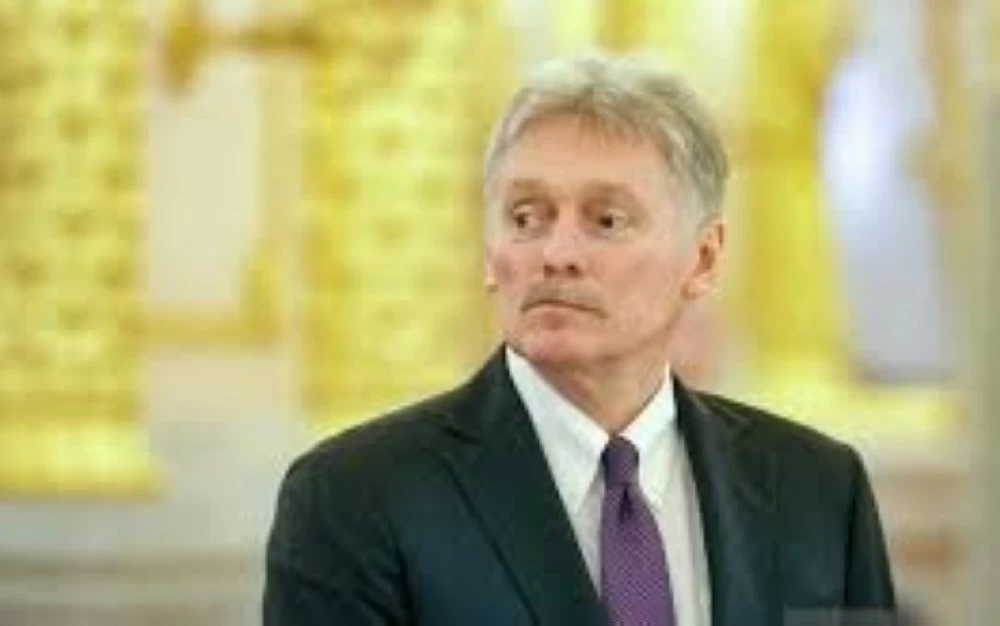
أكد المتحدث باسم الكرملين، دميتري بيسكوف، اليوم (الخميس) أن بلاده تعتبر التصعيد في فنزويلا بالغ الخطورة.
وقال بيسكوف للصحفيين: «الوضع حول فنزويلا يتجه نحو التصعيد»، موضحاً أن بلاده تدعو جميع دول أمريكا اللاتينية إلى ضبط النفس لتجنب تطورات غير متوقعة في الوضع المحيط بفنزويلا.
شراكة فنزويلا وروسيا
وأشار إلى أن فنزويلا حليف وشريك لروسيا، مبيناً أن الجانبين يحافظان على اتصالات منتظمة، بما في ذلك على أعلى المستويات.
ولفت إلى أن الرئيس الروسي فلاديمير بوتين أجرى مؤخراً اتصالاً هاتفياً مع نظيره الفنزويلي نيكولاس مادورو.
من جهة أخرى، حذر الرئيس البيلاروسي ألكسندر لوكاشينكو، نائب المبعوث الأمريكي الخاص، جون كول، من أن تورط الولايات المتحدة الأمريكية في حرب في فنزويلا، قد يؤدي إلى تكرار سيناريو فيتنام، وذلك عقب محادثات أمريكية بيلاروسية عقدت في مينسك بين المندوب الدائم لبيلاروسيا لدى الأمم المتحدة، فالنتين ريباكوف ونائب المبعوث الأمريكي الخاص جون كول
وقال ريباكوف: «هذا الأمر لا يصب في مصلحة أحد ولا حاجة له، لا للشعب الأمريكي، ولا للشعب الفنزويلي، وبالتأكيد ليس للمجتمع الدولي بأسره».
"النواب الأمريكي" يرفض العمل العسكري
من جهة ثانية، رفض مجلس النواب الأمريكي مشروع قرار، كان يهدف إلى حظر أي عمل عسكري أمريكي ضد فنزويلا، أو على أراضيها، دون موافقة من الكونغرس، وأظهرت نتائج البث المباشر لجلسات المجلس أن «121 نائباً صوتوا لصالح القرار، بينما عارضه 213 آخرون، وذلك أدى إلى إلغاء هذا القرار».
في الوقت ذاته، كشفت 3 مصادر مطلعة لمجلة «بوليتيكو» أن إدارة الرئيس الأمريكي دونالد ترمب بدأت في استطلاع آراء شركات النفط الأمريكية حول رغبتها في العودة إلى فنزويلا بمجرد رحيل الرئيس نيكولاس مادورو، ولكن الرد جاء بـ«الرفض القاطع».
وذكرت المجلة أن هذا التواصل من جانب الإدارة مع قطاع النفط، والذي لم يُكشف عنه سابقاً، يعد أحدث إشارة على أن البيت الأبيض يخطط لمستقبل فنزويلا «ما بعد مادورو»، كما يسلط الضوء على الكيفية التي تساهم بها أسواق النفط العالمية في مساعدة أو عرقلة هذا الهدف.
The Kremlin spokesman, Dmitry Peskov, confirmed today (Thursday) that his country considers the escalation in Venezuela to be extremely dangerous.
Peskov told reporters, "The situation around Venezuela is escalating," explaining that his country calls on all Latin American countries to exercise restraint to avoid unforeseen developments in the situation surrounding Venezuela.
Venezuela and Russia Partnership
He pointed out that Venezuela is an ally and partner of Russia, indicating that the two sides maintain regular communications, including at the highest levels.
He noted that Russian President Vladimir Putin recently had a phone call with his Venezuelan counterpart, Nicolas Maduro.
On another note, Belarusian President Alexander Lukashenko warned U.S. Special Envoy Deputy John Cole that U.S. involvement in a war in Venezuela could lead to a repeat of the Vietnam scenario, following U.S.-Belarusian talks held in Minsk between Belarus's permanent representative to the United Nations, Valentin Ryabkov, and U.S. Special Envoy Deputy John Cole.
Ryabkov said, "This is not in anyone's interest and is unnecessary, neither for the American people, nor for the Venezuelan people, and certainly not for the entire international community."
"U.S. House of Representatives" Rejects Military Action
On another front, the U.S. House of Representatives rejected a resolution aimed at prohibiting any U.S. military action against Venezuela, or on its territory, without congressional approval. Live broadcast results from the House sessions showed that "121 representatives voted in favor of the resolution, while 213 others opposed it, leading to the resolution's cancellation."
At the same time, three informed sources told Politico magazine that the administration of President Donald Trump began surveying American oil companies about their willingness to return to Venezuela once President Nicolas Maduro departs, but the response was a "categorical refusal."
The magazine reported that this communication from the administration with the oil sector, which had not been previously disclosed, is the latest indication that the White House is planning for a "post-Maduro" future for Venezuela, highlighting how global oil markets may aid or hinder this goal.