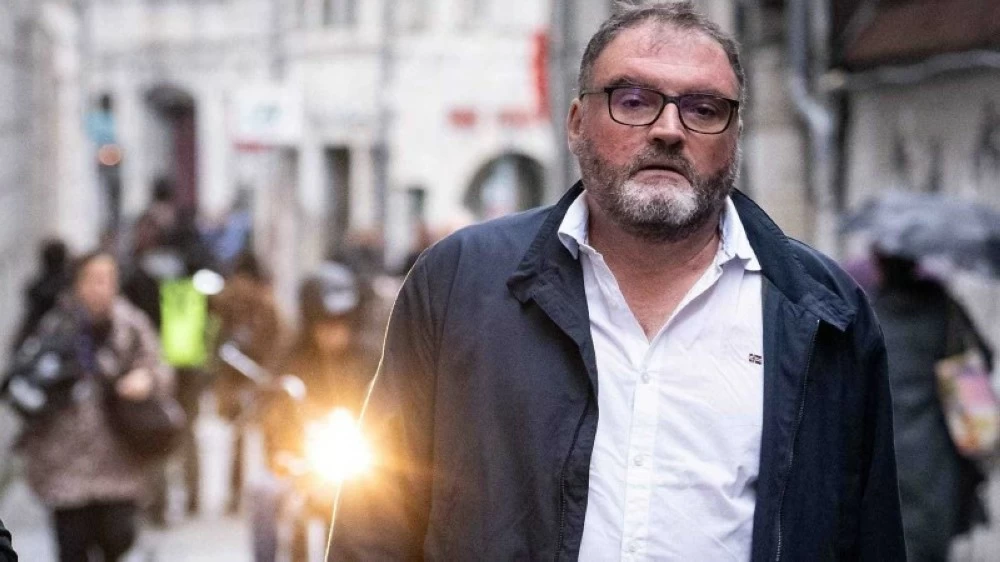
أثارت صدمة مدوية الرأي العام في فرنسا اليوم (الخميس) بعد أن أصدرت محكمة بيزانسون حكمًا بالسجن المؤبد على الطبيب فريدريك بيشييه (53 عامًا)، بعد إدانته بتسميم 30 مريضًا بينهم أطفال، توفي منهم 12 مريضاً، في ما وصفه المدعون بأنه استخدام الطب للقتل بغرض الإضرار بالآخرين وإشباع تعطشه للسلطة.
كان بيشييه يعمل طبيب تخدير في عيادتين بمدينة بيزانسون بين عامي 2008 و2017، حيث قام بتلويث أكياس المحاليل الوريدية بمواد خطيرة مثل البوتاسيوم والمخدر الموضعي والأدرينالين والهيبارين، ما أدى إلى حدوث سكتات قلبية مفاجئة ونزيف شديد لدى المرضى.
وخلال جلسات المحاكمة التي بدأت في 8 سبتمبر واستمرت أكثر من 15 أسبوعًا، شهدت المحكمة شهادات مؤلمة من الضحايا وأسرهم، بما في ذلك مراهق نجا من حادثة التسمم حين كان عمره أربع سنوات. وفي المقابل، ظل بيشييه ينكر التهم الموجهة إليه، مؤكدًا عدم وجود أدلة قاطعة ضده.
ووصف المدعون العامون الطبيب بأنه «واحد من أعظم المجرمين في التاريخ»، مؤكدين أن دوافعه لم تكن مجرد أخطاء طبية، بل محاولة متعمدة للإضرار النفسي بزملائه وإظهار قوته وسيطرته داخل بيئة العمل.
ويأتي هذا الحكم كتحذير صارم ضد أي استغلال للطب في ارتكاب الجرائم، ويشكل علامة فارقة في تاريخ القضاء الفرنسي، وسط صدمة واسعة في المجتمع الطبي والجمهور العام.
A shocking verdict stirred public opinion in France today (Thursday) after a court in Besançon sentenced doctor Frédéric Pechier (53 years old) to life in prison, after convicting him of poisoning 30 patients, including children, 12 of whom died, in what prosecutors described as using medicine for murder to harm others and satisfy his thirst for power.
Pechier worked as an anesthesiologist in two clinics in Besançon between 2008 and 2017, where he contaminated intravenous solution bags with dangerous substances such as potassium, local anesthetics, adrenaline, and heparin, leading to sudden cardiac arrests and severe bleeding in patients.
During the trial sessions that began on September 8 and lasted more than 15 weeks, the court heard painful testimonies from victims and their families, including a teenager who survived a poisoning incident when he was four years old. In contrast, Pechier continued to deny the charges against him, asserting that there was no conclusive evidence against him.
Prosecutors described the doctor as "one of the greatest criminals in history," emphasizing that his motives were not merely medical errors, but a deliberate attempt to psychologically harm his colleagues and demonstrate his power and control within the workplace.
This ruling serves as a stern warning against any exploitation of medicine to commit crimes and marks a significant milestone in the history of French justice, amidst widespread shock in the medical community and the general public.