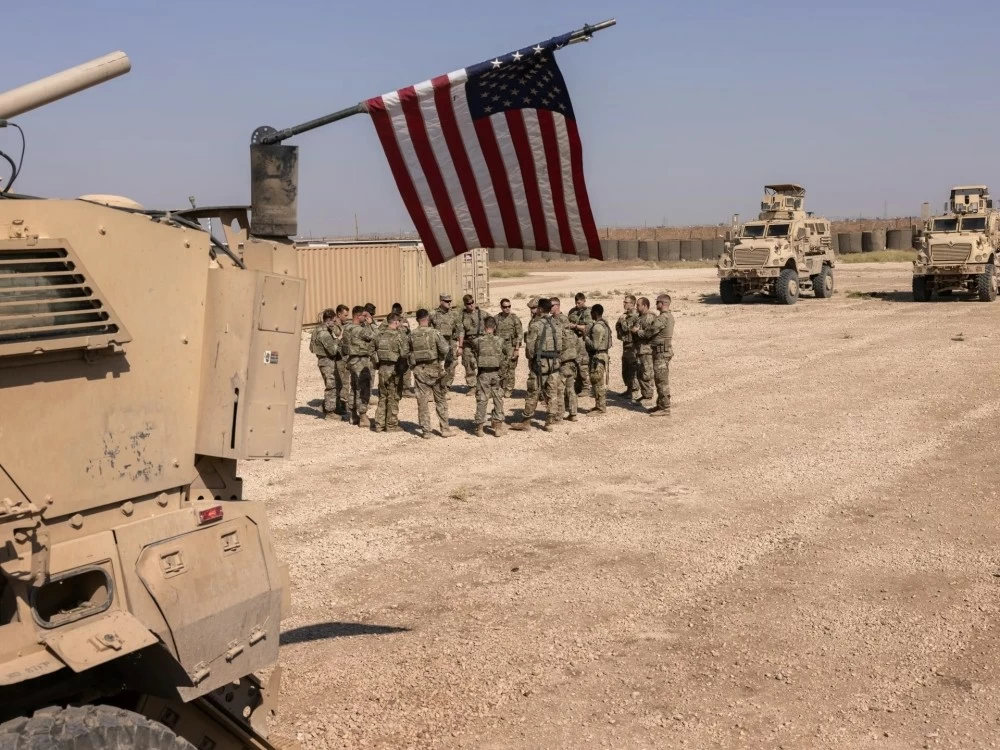
تستعد القوات الأمنية السورية لإطلاق حملة واسعة ضد تنظيم (داعش) والخلايا الإرهابية المتسللة إلى المؤسسات الأمنية، بعد الحادثة الدامية التي أودت بحياة جنديين أمريكيين ومترجم مدني في تدمر.
أول اختبار عملي
وتأتي الحادثة في لحظة تمثل أول اختبار عملي لتوسيع نطاق التعاون العسكري الأمريكي في سورية خارج مناطق سيطرة «قوات سورية الديمقراطية». فمنذ سنوات، اقتصر الوجود الأمريكي والتنسيق الميداني على شمال شرقي البلاد، إذ شكّلت (قسد) الشريك الرئيسي لواشنطن في محاربة (داعش)، ضمن نموذج عمل استقر نسبياً، وحدّ من المخاطر المباشرة على القوات الأمريكية، من خلال وضوح خطوط السيطرة وتماسك بنية الشراكة الميدانية.
هذا النموذج كان، في جوهره، امتداداً للصيغة التي اعتمدها التحالف الدولي لمحاربة «داعش» منذ تأسيسه عام 2014، حين أطلقته الولايات المتحدة بمشاركة عشرات الدول، في ذروة تمدد التنظيم وسيطرته على مساحات واسعة في سورية والعراق.
في تلك المرحلة، اعتمد التحالف على مبدأ الضربات الجوية، والدعم الاستخباراتي، والاعتماد على شركاء محليين لتجنّب التورط البري المباشر، وهو ما جعل شرق الفرات لاحقاً، أحد آخر الجيوب التي استمر فيها هذا النموذج بأوضح صوره.
مهمات أكثر محدودية
لكن التحالف، الذي بلغ ذروة نشاطه بين عامي 2015 و2018، شهد تراجعاً تدريجياً في زخمه بعد انهيار (دويلة داعش) وسقوط المراكز الحضرية الكبرى التي كان التنظيم يسيطر عليها، إذ انسحبت أو قلّصت عدة دول مشاركتها، وتحول دور التحالف من عمليات قتالية واسعة إلى مهمات أكثر محدودية، تركز على التدريب، وتبادل المعلومات، ومنع عودة التنظيم. وبقيت الولايات المتحدة الفاعل الرئيسي شبه الوحيد القادر على إدارة هذا الإطار، مع الاعتماد المتزايد على شركاء محليين في مناطق النفوذ المختلفة.
وفي هذا السياق، يمثّل الانتقال الأمريكي إلى مناطق وسط سورية، وفي مقدمتها تدمر، تحوّلاً نوعياً في طبيعة الانخراط العسكري، لأنه ينقل عمل التحالف فعلياً، من نموذج العمليات عبر الشركاء المحليين إلى نموذج تعاون مباشر مع مؤسسات الدولة السورية نفسها. فهذا التوسّع فتح مساراً جديداً للتنسيق مع أجهزة لا تزال تخضع لعملية إعادة هيكلة عميقة بعد سقوط النظام السابق، سواءً على مستوى القيادة، أو العقيدة القتالية، أو أنماط الانتشار والسيطرة.
حادثة تدمر واحتواء التهديد
وأثارت الخسائر الأمريكية في هجوم تدمر تساؤلات حقيقية داخل الأوساط السياسية والعسكرية في واشنطن من احتمال الانزلاق إلى نمط استنزاف أمني جديد. ومع ذلك، لم تترجم هذه الهواجس حتى الآن، إلى توجه فعلي نحو الانسحاب أو التراجع، بل على العكس، يبدو أن حادثة تدمر عززت قناعة متزايدة لدى صناع القرار الأمريكي بأن الصيغة القديمة للتحالف، القائمة على مناطق نفوذ وتنسيق مجزّأ، لم تعد كافية لاحتواء التهديد. وأن ترك فراغ أمني في مناطق وسط سورية، أو الإبقاء على الانقسام العسكري والجغرافي، هو ما يوفّر البيئة الأنسب لعودة التنظيمات المتطرفة.
من هذا التوجه، ينظر إلى التوسّع المدروس في التعاون العسكري، رغم مخاطره الواضحة، باعتباره محاولة لإعادة تعريف ما تبقّى من التحالف الدولي ضد (داعش)؛ بوصفه إطاراً أكثر اندماجاً مع الدولة السورية الجديدة. وهو خيار ترى فيه واشنطن كلفة أقل من الانكفاء وترك المشهد يتفكك من جديد، بما قد يفرض لاحقاً تدخلاً أوسع وأكثر تعقيداً.
اللافت أن التنظيم الإرهابي أيضاً لم يعد محصوراً في مناطقه التقليدية شرق البلاد أو البادية السورية، بل وسع نطاق عملياته إلى مناطق أكثر عمقاً في الداخل، وهو ما كشفته عملية إدلب حيث قتل أربعة عناصر من الأمن السوري.
منع استغلال التوتر
وفي سياق أوسع، شكلت البادية السورية نقطة ارتكاز للتنظيم، فهي منطقة وعرة يصعب تمشيطها عسكرياً، ومفتوحة على معاقل التنظيم زمن قوته، مثل دير الزور والحدود السورية العراقية ومنطقة الحماد وتدمر، وصولاً إلى تلول الصفا المطلة على السويداء. ويدرك التحالف الدولي أن السيطرة الكاملة على هذه المنطقة ومنع نشاط التنظيم فيها خلال عام واحد ليس أمراً سهلاً على الحكومة السورية، لذلك ليس مستبعداً أن تؤدي أي هجمات ينفذها التنظيم إلى تحديات، خصوصاً أن الحكومة السورية عززت وجودها العسكري في تلك المنطقة ونفذت عدة عمليات قرب تلول الصفا لمنع التنظيم من استغلال التوتر القائم في السويداء.
ويستند (داعش) في عودته إلى جملة من العوامل المترابطة، أبرزها تعثر العملية السياسية: الانقسامات داخل سورية (الجيش السوري، قسد، السويداء) التي خلقت ثغرات يستغلها التنظيم، كما أن الانسحاب الأمريكي التدريجي، وتقليص القوات من 2000 جندي إلى 1400 نهاية 2025، مع خطط لخفض إضافي بحلول 2026، أضعف العمود الفقري للتحالف الدولي، ويجد التنظيم فرصة نادرة لممارسة إرهابه.
إستراتيجية محلية ودولية
وإذا لم تتوافر إستراتيجية مشتركة محلية ودولية لمواجهته، فإن سورية قد تدخل مجدداً في دوامة الإرهاب التي تهدد المنطقة، وربما أسرع طريق نحو محاصرة اندفاع التنظيم الإرهابي هو في البناء على التوافق السوري الشامل، وفق رؤية يشترك فيها الجميع لبناء دولة مستقرة تتطلع إلى الازدهار. وليس خافياً أن سرعة التحرك السوري للقضاء على داعش وإفشال مخططه للعودة سيغلق أبواباً كثيرة للتدخلات الخارجية.
أثبتت التجربة السورية السابقة في الحرب الطويلة الداخلية أن أخطر انهيار في سورية كان انتشار (الإرهاب) وسيطرته على أراضٍ واسعة في سورية والعراق، وهو ما حول البلاد إلى ساحة دولية لتجميع الإرهابيين.
المعطيات الحالية تشير إلى أن الحكومة الحالية في دمشق لن تدع هذه الثغرة تكبر، وهو ما تدركه واشنطن. وهذا ما يعزز نظرية الحاجة الأمريكية السورية إلى مزيد من التعاون والتنسيق والدعم على المستوى الأمني، وما ألمح إلية مسؤولون سوريون في الحديث عن ضرورة تقوية وتمكين الدولة السورية الجديدة.
The Syrian security forces are preparing to launch a wide campaign against ISIS and the terrorist cells infiltrating security institutions, following the bloody incident that claimed the lives of two American soldiers and a civilian translator in Palmyra.
First Practical Test
The incident comes at a moment that represents the first practical test for expanding American military cooperation in Syria beyond the areas controlled by the Syrian Democratic Forces (SDF). For years, the American presence and field coordination have been limited to the northeastern part of the country, where the SDF has been the main partner for Washington in the fight against ISIS, within a relatively stable operational model that has limited direct risks to American forces through clear lines of control and a cohesive partnership structure.
This model was, in essence, an extension of the framework adopted by the international coalition to combat ISIS since its establishment in 2014, when it was launched by the United States with the participation of dozens of countries at the height of the organization's expansion and control over vast areas in Syria and Iraq.
At that stage, the coalition relied on the principle of airstrikes, intelligence support, and partnering with local allies to avoid direct ground involvement, which later made the eastern Euphrates one of the last pockets where this model continued in its clearest forms.
More Limited Missions
However, the coalition, which reached the peak of its activity between 2015 and 2018, has seen a gradual decline in momentum following the collapse of the ISIS "state" and the fall of major urban centers that the organization controlled. Several countries withdrew or reduced their participation, and the coalition's role shifted from large-scale combat operations to more limited missions focused on training, information sharing, and preventing the organization's resurgence. The United States remained the almost sole key player capable of managing this framework, with an increasing reliance on local partners in various areas of influence.
In this context, the American shift to central Syria, particularly Palmyra, represents a qualitative change in the nature of military engagement, as it effectively moves the coalition's operations from a model of working through local partners to a model of direct cooperation with the Syrian state institutions themselves. This expansion has opened a new path for coordination with agencies that are still undergoing a deep restructuring process following the fall of the previous regime, whether at the leadership level, combat doctrine, or patterns of deployment and control.
The Palmyra Incident and Containing the Threat
The American losses in the Palmyra attack have raised genuine questions within political and military circles in Washington about the possibility of slipping into a new pattern of security attrition. However, these concerns have not yet translated into an actual inclination towards withdrawal or retreat; on the contrary, it seems that the Palmyra incident has reinforced a growing conviction among American decision-makers that the old formula of the coalition, based on spheres of influence and fragmented coordination, is no longer sufficient to contain the threat. Leaving a security vacuum in central Syria or maintaining military and geographical divisions provides the most suitable environment for the return of extremist organizations.
From this perspective, the carefully considered expansion of military cooperation, despite its obvious risks, is seen as an attempt to redefine what remains of the international coalition against ISIS; as a framework that is more integrated with the new Syrian state. This is a choice that Washington views as less costly than retreating and allowing the scene to disintegrate again, which could later impose a broader and more complex intervention.
Notably, the terrorist organization is no longer confined to its traditional areas in the eastern part of the country or the Syrian desert; it has expanded its operations into deeper areas within the interior, as revealed by the Idlib operation where four Syrian security personnel were killed.
Preventing the Exploitation of Tension
In a broader context, the Syrian desert has formed a focal point for the organization, as it is a rugged area that is difficult to comb militarily and is open to the strongholds of the organization during its peak, such as Deir ez-Zor, the Syrian-Iraqi border, the Hamad region, and Palmyra, extending to the Tlouls al-Safa overlooking Sweida. The international coalition understands that complete control over this area and preventing the organization's activity there within a year is not an easy task for the Syrian government. Therefore, it is not unlikely that any attacks carried out by the organization could pose challenges, especially since the Syrian government has reinforced its military presence in that area and has conducted several operations near Tlouls al-Safa to prevent the organization from exploiting the existing tension in Sweida.
ISIS relies on a set of interconnected factors for its resurgence, the most prominent of which is the stagnation of the political process: the divisions within Syria (the Syrian army, the SDF, Sweida) that have created gaps exploited by the organization. Additionally, the gradual American withdrawal, reducing forces from 2,000 soldiers to 1,400 by the end of 2025, with plans for further reductions by 2026, has weakened the backbone of the international coalition, providing the organization with a rare opportunity to exert its terror.
Local and International Strategy
If a joint local and international strategy to confront it is not established, Syria may once again enter a spiral of terrorism that threatens the region. Perhaps the quickest path to containing the momentum of the terrorist organization is to build on comprehensive Syrian consensus, based on a vision that everyone shares to build a stable state looking towards prosperity. It is not hidden that the speed of the Syrian response to eliminate ISIS and thwart its plan for resurgence will close many doors to external interventions.
The previous Syrian experience in the long internal war has proven that the most dangerous collapse in Syria was the spread of terrorism and its control over vast lands in Syria and Iraq, which turned the country into an international arena for gathering terrorists.
The current data indicates that the current government in Damascus will not allow this gap to widen, which Washington is aware of. This reinforces the theory of the American-Syrian need for more cooperation, coordination, and support at the security level, as hinted at by Syrian officials in discussions about the necessity of strengthening and empowering the new Syrian state.