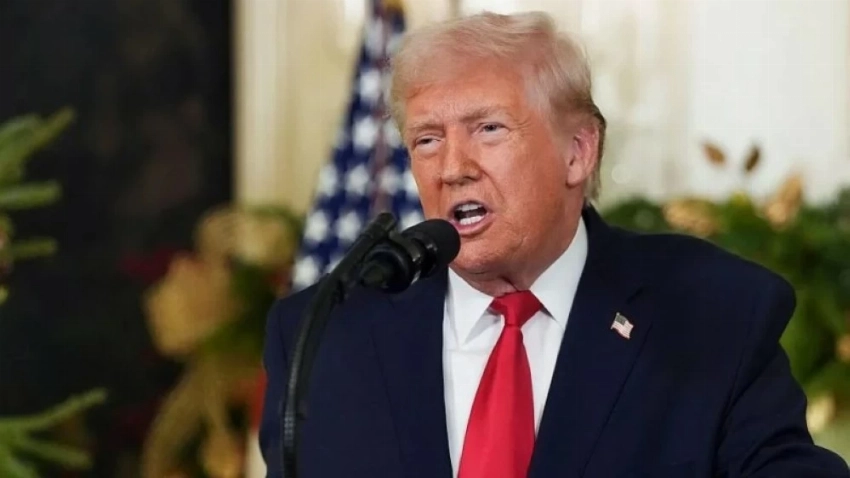
أعلنت إدارة الرئيس الأمريكي دونالد ترمب صفقة أسلحة هائلة تبلغ قيمتها أكثر من 11 مليار دولار لتايوان، تشمل أنظمة صاروخية متقدمة ومدافع هاوتزر ذاتية الدفع وصواريخ متنوعة، في خطوة من المتوقع أن تثير غضب بكين.
أكبر صفقة أسلحة أمريكية لتايوان
وتُعد هذه الصفقة الثانية من نوعها منذ عودة ترمب إلى البيت الأبيض في يناير الماضي، بعد صفقة سابقة بقيمة 330 مليون دولار في نوفمبر لقطع غيار طائرات مقاتلة.
ولا تزال الصفقة الجديدة بحاجة إلى موافقة الكونغرس الأمريكي، لكن دعم تايوان يحظى بتوافق حزبي واسع، مما يجعل الموافقة محتملة.
تفاصيل صفقة الأسلحة
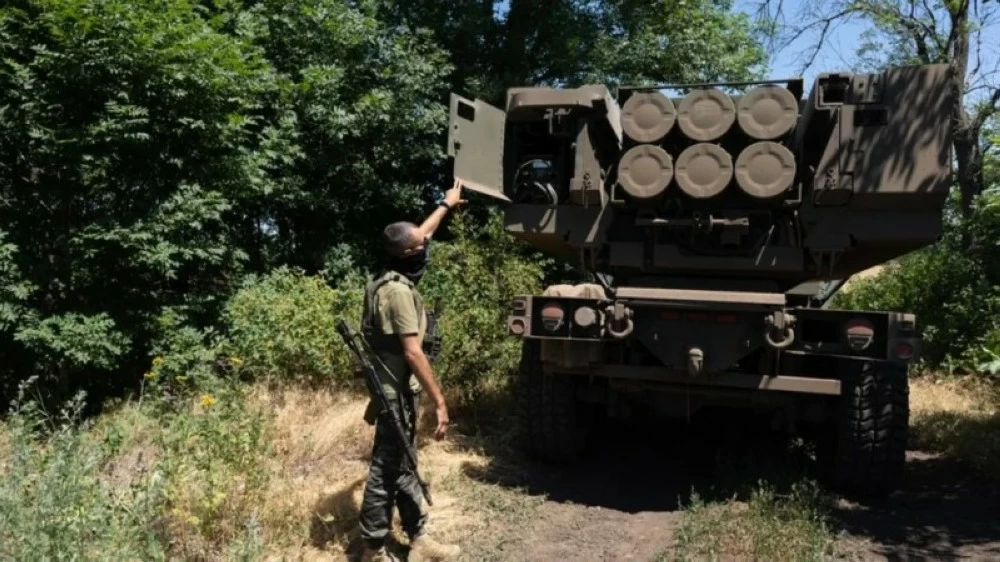
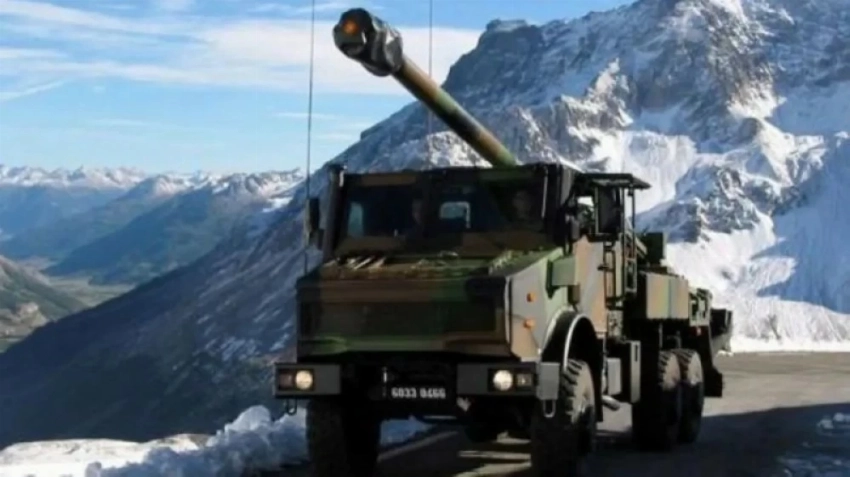
وتشمل الحزمة، التي أعلنت عنها وكالة التعاون الأمني الدفاعي الأمريكية، مساء أمس الأربعاء، أنظمة صواريخ المدفعية عالية الحركة (HIMARS) بقيمة نحو4 مليارات دولار، ومدافع هاوتزر ذاتية الدفع بقيمة مماثلة، بالإضافة إلى صواريخ جافلين المضادة للدبابات، وطائرات مسيرة انتحارية، وبرمجيات عسكرية.
الصفقة الأضخم بين البلدين
وإذا تمت الموافقة عليها، ستتجاوز هذه الصفقة إجمالي مبيعات الأسلحة إلى تايوان خلال إدارة جو بايدن السابقة (8.4 مليار دولار)، وتقترب من أكبر الحزم في تاريخ الولايات المتحدة للجزيرة، وخلال ولاية ترمب الأولى، بلغت مبيعات الأسلحة 18.3 مليار دولار.
ترحيب تايواني
من جانبها، رحبت وزارة الدفاع التايوانية بالصفقة، اليوم (الخميس)، مؤكدة أنها ستساعد الجزيرة في «بناء قدرات ردع قوية بسرعة»، وتعزيز الدفاع غير المتوازن ضد التهديدات.
وأكدت وزارة الخارجية الأمريكية أن الصفقة تخدم المصالح الأمريكية بدعم جهود تايوان في تحديث قواتها المسلحة والحفاظ على قدرة دفاعية موثوقة.
تصعيد صيني مستمر حول تايوان
كما تأتي هذه الخطوة وسط تصعيد صيني مستمر حول تايوان، التي تعتبرها بكين مقاطعة انفصالية يجب توحيدها، حتى لو بالقوة، حيث زادت الصين من تدريباتها العسكرية وتوغلاتها في المياه والأجواء التايوانية، وشهدت المنطقة توترات إضافية مع اليابان مؤخراً، بما في ذلك مواجهات بحرية وإغلاق راداري لمقاتلات صينية على طائرات يابانية.
فيما لم تعلق الصين رسمياً على الصفقة الجديدة حتى الآن، لكن وزارة خارجيتها حذرت الشهر الماضي من أن صفقة سابقة «تنتهك بشكل خطير» سيادتها وأمنها.
في المقابل، تخطط تايوان لرفع إنفاقها الدفاعي إلى أكثر من 3% من الناتج المحلي الإجمالي العام المقبل، وصولاً إلى 5% بحلول 2030، مع بناء نظام دفاع جوي على شكل قبة لحماية الجزيرة من «التهديدات المعادية».
The administration of U.S. President Donald Trump announced a massive arms deal worth over $11 billion for Taiwan, including advanced missile systems, self-propelled howitzers, and various missiles, in a move expected to provoke anger from Beijing.
The Largest U.S. Arms Deal for Taiwan
This is the second such deal since Trump returned to the White House last January, following a previous deal worth $330 million in November for fighter jet parts.
The new deal still requires approval from the U.S. Congress, but support for Taiwan enjoys broad bipartisan consensus, making approval likely.
Details of the Arms Deal
The package, announced by the U.S. Defense Security Cooperation Agency on Wednesday evening, includes High Mobility Artillery Rocket Systems (HIMARS) valued at around $4 billion, self-propelled howitzers of similar value, as well as Javelin anti-tank missiles, suicide drones, and military software.
The Largest Deal Between the Two Countries
If approved, this deal would surpass the total arms sales to Taiwan during the previous Joe Biden administration ($8.4 billion) and come close to the largest packages in U.S. history for the island, with arms sales during Trump's first term reaching $18.3 billion.
Taiwanese Welcome
For its part, the Taiwanese Ministry of Defense welcomed the deal today (Thursday), confirming that it would help the island "build strong deterrent capabilities quickly" and enhance its asymmetric defense against threats.
The U.S. State Department confirmed that the deal serves American interests by supporting Taiwan's efforts to modernize its armed forces and maintain a reliable defensive capability.
Ongoing Chinese Escalation Around Taiwan
This move also comes amid ongoing Chinese escalation around Taiwan, which Beijing considers a separatist province that must be unified, even by force. China has increased its military drills and incursions into Taiwanese waters and airspace, and the region has recently seen additional tensions with Japan, including maritime confrontations and radar lock-ons of Chinese fighters on Japanese aircraft.
While China has not officially commented on the new deal yet, its Foreign Ministry warned last month that a previous deal "seriously violates" its sovereignty and security.
In contrast, Taiwan plans to raise its defense spending to over 3% of GDP next year, reaching 5% by 2030, while building a dome-shaped air defense system to protect the island from "hostile threats."