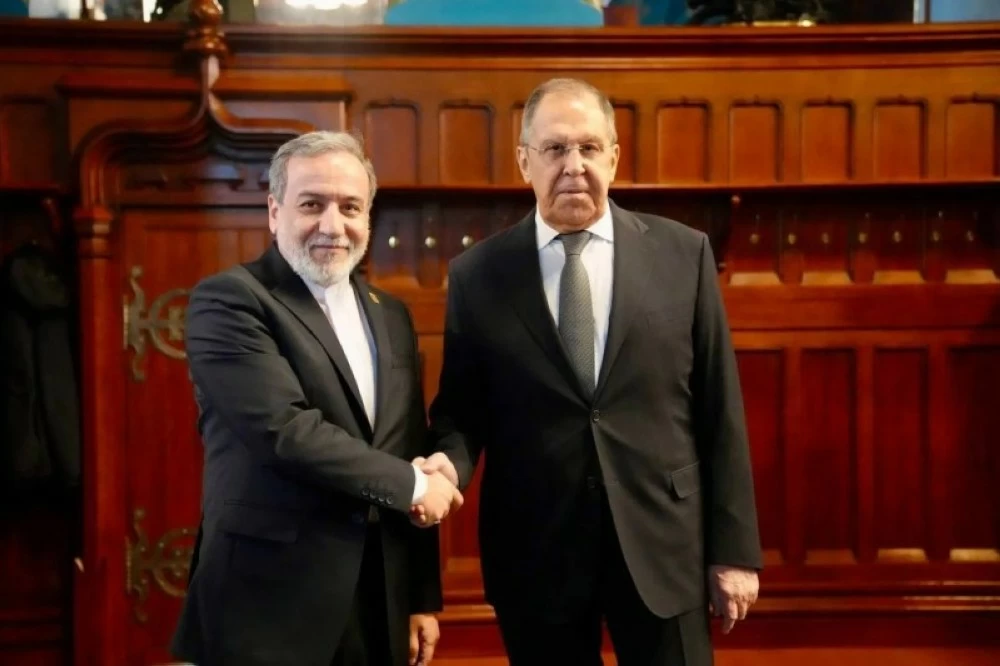
أعلن وزير الخارجية الإيراني عباس عراقجي، اليوم (الأربعاء)، استعداد بلاده لاستئناف المفاوضات النووية مع واشنطن، مشدداً على رفض بلاده التنازل عن حقها في تخصيب اليورانيوم.
وقال وزير الخارجية الإيراني خلال لقائه نظيره الروسي سيرجي لافروف في موسكو: «نرحب بأي دور روسي بنّاء ونقدر دعمها لنا»، موضحاً أن روسيا لعبت دوراً إيجابياً للغاية في الاتفاق النووي لعام 2015، وتدعم دائماً حق إيران في الاستخدام السلمي للطاقة النووية.
لا رسائل لأمريكا
وأضاف: «مستعدون للتفاوض عندما ترغب واشنطن في مفاوضات متكافئة وبشروط متساوية»، لافتاً إلى أن طهران لم ترسل أي رسائل إلى الولايات المتحدة بهذا الخصوص.
وأشار إلى أن إيران ملتزمة بمنع انتشار الأسلحة النووية، وستمارس حقها بموجب الاتفاق باستخدام طاقتها النووية بما في ذلك تخصيب اليورانيوم بالرغم من الهجمات التي تعرّضت لها، مضيفاً: «الغارات الأمريكية ضد مرافقنا النووية ألحقت أضراراً بالتأكيد لكنها لم تدمر تكنولوجيتنا النووية، ولم تقض على عزيمتنا بالاستمرار».
وأعرب وزير الخارجية الإيراني عن شكره لروسيا على دعمها لإيران خلال الهجمات الأمريكية والإسرائيلية على منشآت إيران النووية، مشدداً على الحاجة إلى إجراء مشاورات بشأن الأحداث المحتملة في المستقبل.
وأشار وزير الخارجية الإيراني إلى أن العلاقات الروسية الإيرانية شاملة ومتكاملة، وتغطي المجالات السياسية والاقتصادية وغيرها، موضحاً أن المشاورات بين موسكو وطهران بشأن مختلف القضايا تجري بشكل منتظم.
معاهدة الشراكة مع روسيا
وأكد عراقجي أن بدء سريان معاهدة الشراكة الإستراتيجية الشاملة أعطى زخماً كبيراً لتطوير علاقة بلاده الثنائية موسكو، مشدداً بالقول: «لدينا خططاً مهمة، ومشاريع مرتبطة بالنقل واللوجستيات مع روسيا، وقد تطرق لافروف إلى بعض المشاريع المهمة ومن بينها ممر العبور من الشمال إلى الجنوب بالإضافة إلى بناء السكك الحديدية».
ولفت إلى أن الرئيس الروسي فلاديمير بوتين ونظيره الإيراني مسعود بيزشكيان ناقشا جميع مجالات التعاون خلال لقائهما في العاصمة التركمانستانية، عشق آباد، الأسبوع الماضي.
بدوره، أعرب وزير الخارجية الروسي عن تفاؤله بشأن توسيع الشراكة الإستراتيجية مع طهران، مؤكداً استعداد موسكو لأي وساطة في الملف النووي الإيراني.
وقال لافروف خلال مؤتمر صحفي مشترك مع عراقجي، إن معاهدة الشراكة الإستراتيجية الشاملة مع إيران تؤكد وضعاً خاصاً للتعاون الثنائي، وتحدد أطر التنسيق المشترك لجميع المجالات في العقدين القادمين، واصفاً توقيع وبدء سريان هذه المعاهدة بأنه الحدث الرئيسي والبارز في العلاقات الثنائية لهذا العام.
وأشار إلى أن الاتفاقية ترسخ الوضع الخاص لتعاوننا وتحدد المعالم التوجيهية لجميع الاتجاهات على مدى 20 عاماً القادمة، معلناً عن توقيع أول «خطة تشاور» بين وزارتي خارجية البلدين تغطي الفترة من 2026 إلى 2028، ما يعمق آليات التنسيق الدبلوماسي المنتظم.
تسوية سياسية في طهران
وقال وزير الخارجية الروسي إن بلاده مستعدة لأي وساطة في الملف النووي الإيراني إذا وافقت إيران على ذلك، مضيفاً: «روسيا على استعداد لمساعدة إيران في إيجاد حلول مقبولة لحل الأزمة النووية».
وأشار إلى أن روسيا وإيران «تريدان التسوية السياسية وتجنب أي استخدام جديد للقوة العسكرية»، معتبراً أن خطط الولايات المتحدة لتنفيذ عملية برية في فنزويلا، «تقوّض الآمال في التوصل لاتفاق في ظل التوازن الحالي للقوى الدولية».
ولفت إلى أن الإجراءات الأمريكية في حوض البحر الكاريبي قوبلت باستياء من معظم دول العالم، موضحاً أن روسيا وإيران تعملان على تطوير التعاون العسكري التقني وفقاً للقانون الدولي.
وقال لافروف: «إذا استرشدت الوكالة الدولية للطاقة الذرية بوظائفها المباشرة، وليس بالنهج الغربي، فسيجري التوصل إلى اتفاق مع إيران».
ودخلت معاهدة الشراكة الإستراتيجية الشاملة بين روسيا وإيران حيز التنفيذ في أكتوبر الماضي بعد توقيعها في يناير 2025، وتمتد هذه المعاهدة لعشرين عاماً، وتضع الإطار المؤسسي الأوسع للتعاون الثنائي.
The Iranian Foreign Minister Abbas Araghchi announced today (Wednesday) the readiness of his country to resume nuclear negotiations with Washington, emphasizing Iran's refusal to give up its right to enrich uranium.
During his meeting with Russian Foreign Minister Sergey Lavrov in Moscow, the Iranian Foreign Minister stated: "We welcome any constructive Russian role and appreciate its support for us," explaining that Russia played a very positive role in the 2015 nuclear agreement and always supports Iran's right to the peaceful use of nuclear energy.
No messages to America
He added: "We are ready to negotiate when Washington desires equal negotiations on equal terms," noting that Tehran has not sent any messages to the United States in this regard.
He pointed out that Iran is committed to preventing the proliferation of nuclear weapons and will exercise its rights under the agreement to use its nuclear energy, including uranium enrichment, despite the attacks it has faced, adding: "The American strikes against our nuclear facilities have certainly caused damage, but they did not destroy our nuclear technology, nor did they undermine our determination to continue."
The Iranian Foreign Minister expressed his gratitude to Russia for its support for Iran during the American and Israeli attacks on Iran's nuclear facilities, emphasizing the need for consultations regarding potential future events.
He noted that Iranian-Russian relations are comprehensive and integrated, covering political, economic, and other fields, explaining that consultations between Moscow and Tehran on various issues take place regularly.
Partnership Treaty with Russia
Araghchi confirmed that the entry into force of the comprehensive strategic partnership treaty has given significant momentum to the development of his country's bilateral relationship with Moscow, stressing: "We have important plans and projects related to transportation and logistics with Russia, and Lavrov mentioned some important projects, including the transit corridor from north to south, in addition to railway construction."
He pointed out that Russian President Vladimir Putin and his Iranian counterpart Masoud Pezeshkian discussed all areas of cooperation during their meeting in the Turkmen capital, Ashgabat, last week.
For his part, the Russian Foreign Minister expressed optimism about expanding the strategic partnership with Tehran, confirming Moscow's readiness for any mediation in the Iranian nuclear file.
During a joint press conference with Araghchi, Lavrov stated that the comprehensive strategic partnership treaty with Iran confirms a special status for bilateral cooperation and sets the framework for joint coordination in all areas over the next two decades, describing the signing and entry into force of this treaty as a major and prominent event in bilateral relations this year.
He pointed out that the agreement solidifies the special status of our cooperation and outlines the guiding principles for all directions over the next 20 years, announcing the signing of the first "Consultation Plan" between the foreign ministries of both countries covering the period from 2026 to 2028, which deepens the mechanisms for regular diplomatic coordination.
Political Settlement in Tehran
The Russian Foreign Minister stated that his country is ready for any mediation in the Iranian nuclear file if Iran agrees, adding: "Russia is prepared to help Iran find acceptable solutions to resolve the nuclear crisis."
He noted that Russia and Iran "want a political settlement and to avoid any new use of military force," considering that the United States' plans to carry out a ground operation in Venezuela "undermine hopes for reaching an agreement under the current balance of international powers."
He highlighted that American actions in the Caribbean have been met with discontent from most countries in the world, explaining that Russia and Iran are working to develop military-technical cooperation in accordance with international law.
Lavrov stated: "If the International Atomic Energy Agency is guided by its direct functions, rather than a Western approach, an agreement with Iran will be reached."
The comprehensive strategic partnership treaty between Russia and Iran came into effect last October after being signed in January 2025, and this treaty extends for twenty years, establishing a broader institutional framework for bilateral cooperation.