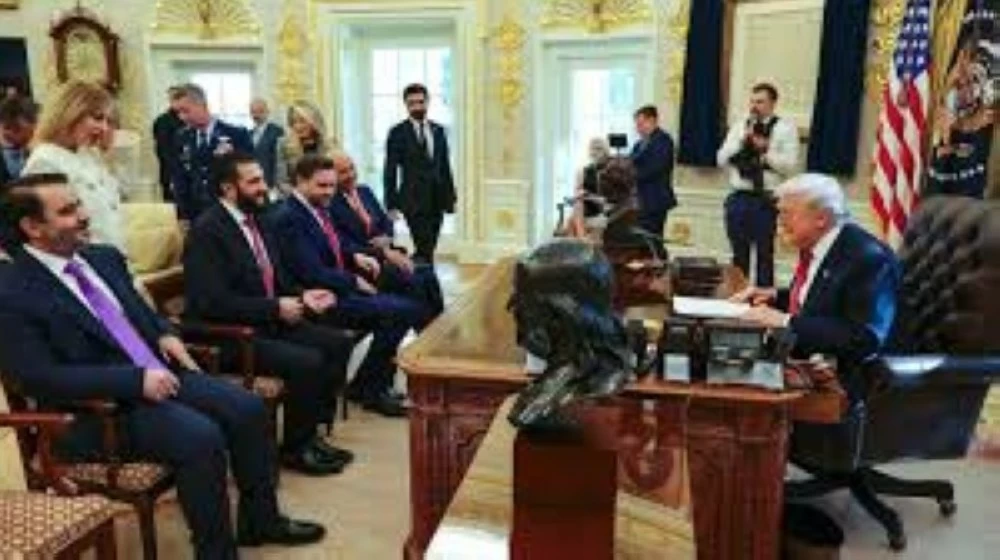
يشكل إلغاء «قانون قيصر» لحظة انعطاف نادرة في المسار السوري، لأنها تنهي حقبة العقوبات الأشد صرامة منذ العام 2011، ولأنها أيضاً تعيد صياغة بيئة سورية الداخلية والخارجية على نحو يفتح الباب أمام إمكانية التحوّل من اقتصاد منهك إلى اقتصاد قابل للنمو والاستثمار.
أمام فرصة ذهبية
فالعقوبات التي كانت تشكل سقفاً منخفضاً لأي محاولة للانطلاق الاقتصادي، كانت تمنع تدفق الاستثمارات، وتحظر التمويل الدولي، وتعزل الدولة السورية عن الدائرة القانونية للخدمات المصرفية العالمية.
ومع إسقاط هذا السقف، تصبح البلاد أمام فرصة ذهبية ليس لالتقاط الأنفاس فقط، بل لإعادة بناء نموذج اقتصادي جديد قائم على الانفتاح وجذب الاستثمار، بدلاً من نهج الاقتراض الخارجي الذي أثبتت التجارب الإقليمية أنه قد يتحوّل إلى عبء طويل الأجل.
ولعل من الإنصاف القول إن المملكة العربية السعودية كانت أول دولة فتحت الطريق لإلغاء «قانون قيصر»، حين مدت يدها إلى دمشق، وأرسلت وفودها الاستثمارية وعقدت اتفاقيات ومذكرات تفاهم، حيث تجاوزت العلاقات بين الرياض ودمشق عقوبات قيصر في وقت أبكر، وكان هذا الإسناد السعودي، وبشكل عام الخليجي، هو خط الدفاع العربي في واشنطن والإقليم ضد «قيصر»، إلى لحظة إلغاء العقوبات الأقسى على سورية.
إلغاء «قانون قيصر» يمثل لحظة انعطاف نادرة في المسار السوري
إعادة تشكيل البنية الاقتصادية
الآن، هذه الفرصة لا تتعلق فقط بحجم الأموال المحتمل دخولها، بل بقدرة سورية على إعادة تشكيل بنيتها الاقتصادية وفق منطق «التحرّر من الفوضى» التي فرضتها الحرب، والعودة إلى دور الدولة المنظم والمشرف على حركة رأس المال، بما يمكّنها من إطلاق مشاريع إستراتيجية مؤجلة في الكهرباء والطاقة والمصارف وإعادة الإعمار.
ومع هذا التحول، يصبح الباب مفتوحاً أمام دخول رؤوس أموال خليجية وآسيوية وأوروبية، وهو ما قد يخلق دورة اقتصادية جديدة قوامها بناء البنى التحتية، واستعادة الإنتاج الصناعي، وتحسين الخدمات العامة التي انهارت خلال السنوات الماضية.
وتكتسب هذه اللحظة أهميتها كونها تنشئ للمرة الأولى منذ نحو 15 عاماً بيئة تسمح للاقتصاد السوري بالعمل ضمن شروط طبيعية نسبياً، بعدما ظل خاضعاً لضغط خارجي فصله عن العالم.
صياغة عقد اجتماعي
إلا أن التحول الاقتصادي لا يمكن فصله عن التحوّل السياسي الداخلي. فالنزاعات المحتملة مع قوات سورية الديمقراطية في الشرق، والتمرد الدرزي في الجنوب، والتفاوتات العميقة في مستويات الإدارة المحلية، ليست تفاصيل يمكن تجاهلها في مرحلة تستعد فيها البلاد لإطلاق مشاريع بمليارات الدولارات. إن بناء الثقة بين الدولة والمجتمعات المحلية، وإعادة صياغة عقد اجتماعي أكثر عصرية، يشكلان شرطاً ضرورياً لنجاح أي إصلاح اقتصادي، لأن رأس المال، سواءً كان محلياً أو أجنبياً، لا يدخل إلى بيئة غير مستقرة أو مفتوحة على احتمالات الصراع. ومن الواضح أن دمشق تدرك هذه المعادلة.. فإلغاء قانون قيصر لم يأت دون سياق وجاء مترافقاً مع اشتراطات أمريكية تتصل بقدرة الدولة السورية على خفض التوترات، وتعزيز التمثيل السياسي والإداري.
إزاحة نزعات التمرد
إن هذا المناخ قد يدفع الحكومة إلى مراجعة أوسع للإطار الدستوري، سواءً عبر إعادة صياغة شكل الإدارة المحلية، أو عبر توسيع مشاركة المكوّنات في بنية النظام السياسي، أو تبني نماذج مرنة تسمح بتوزيع الصلاحيات بطريقة تمنح المجتمعات المحلية شعوراً بالشراكة، وبهذه الطريقة يمكن إزاحة نزعات التمرد. وهذا ليس استجابة لضغوط خارجية، بل ضرورة داخلية أولاً، لأن أي مشروع لإعادة الإعمار يحتاج إلى استقرار طويل الأمد، وإلى بيئة يشعر فيها الفاعلون المحليون بأنهم جزء من الحل.
إن الإصلاح الدستوري بهذا المعنى ليس غاية سياسية فقط بل أداة اقتصادية، لأنه يسهل حركة رأس المال، ويقلل مخاطر الانقسام الداخلي، ويمنح البلاد القدرة على استخدام مواردها البشرية والجغرافية بطريقة أكثر كفاءة.
خارطة الاهتمام الدولي
ومن زاوية جيوسياسية، يعيد إلغاء قانون قيصر وضع سورية على خريطة الاهتمام الإقليمي، وخصوصاً العربي. فالدول الخليجية، وفي مقدمتها السعودية، لا تبحث عن استثمارات إستراتيجية طويلة الأجل في البنى التحتية والطاقة والزراعة والتقنيات الحديثة، بل هي مدفوعة برؤية طويلة الأمد بتعلق بتموضع سورية المستقبلي وعدم خروجها عن دائرة القرار العربي. ومع رفع العقوبات، يصبح الطريق ممهداً أمام مشاريع مشتركة قد تغيّر الخارطة الاقتصادية للمنطقة الشرقية للمتوسط. وفي المقابل، يتراجع بشكل طبيعي التأثير غير العربي، لأن المنافسة ستكون على أساس الجودة والتمويل، لا على أساس الفراغ الذي خلّفته العقوبات.
صفحة استقرار وازدهار
ولعلّ المعضلة الأساسية في المرحلة القادمة تكمن في قدرة الدولة السورية على إدارة هذا التحوّل من دون الوقوع في «فوضى الانفتاح»، أي أن تكون البلاد مفتوحة للاستثمارات بينما تبقى بنيتها القانونية والإدارية غير جاهزة لاستقبالها. وهذا يتطلب تحديثاً كبيراً في التشريعات المتعلقة بالاستثمار، وتبسيطاً للإجراءات.
فالتغيير الاقتصادي يحتاج إلى مؤسسات حديثة، وإلى إدارة اقتصادية جديدة تستطيع الانتقال من اقتصاد الأزمة إلى اقتصاد النمو.
وفي المحصلة، فإن رفع «قيصر» بداية مرحلة تتقاطع فيها الضرورات الاقتصادية مع الضرورات السياسية، وتلتقي فيها مصالح الداخل مع متطلبات الخارج، بما يجعل الفترة القادمة اختباراً حقيقياً لقدرة سورية على الانتقال من مرحلة البقاء إلى مرحلة البناء، ومن إدارة الانهيار إلى إدارة المستقبل. وإذا ما استطاعت البلاد استثمار المناخ الجديد عبر حلول سياسية داخلية وتحديث إداري شامل، ستكون أمام أكبر فرصة منذ عقود لفتح صفحة استقرار وازدهار.
The cancellation of the "Caesar Law" marks a rare turning point in the Syrian trajectory, as it ends the era of the most stringent sanctions since 2011, and also reshapes the internal and external Syrian environment in a way that opens the door to the possibility of transitioning from a battered economy to a growth and investment-friendly economy.
A Golden Opportunity
The sanctions that constituted a low ceiling for any attempt at economic launch prevented the flow of investments, prohibited international financing, and isolated the Syrian state from the legal sphere of global banking services.
With the removal of this ceiling, the country is presented with a golden opportunity not only to catch its breath but also to rebuild a new economic model based on openness and attracting investment, instead of the external borrowing approach that regional experiences have proven can become a long-term burden.
It is fair to say that the Kingdom of Saudi Arabia was the first country to pave the way for the cancellation of the "Caesar Law," when it extended its hand to Damascus, sent its investment delegations, and signed agreements and memorandums of understanding. The relations between Riyadh and Damascus had already surpassed the Caesar sanctions earlier, and this Saudi support, and generally Gulf support, was the Arab line of defense in Washington and the region against "Caesar," up until the moment of the cancellation of the harshest sanctions on Syria.
إلغاء «قانون قيصر» يمثل لحظة انعطاف نادرة في المسار السوري
Reshaping the Economic Structure
Now, this opportunity is not only about the potential influx of funds but also about Syria's ability to reshape its economic structure according to the logic of "liberation from the chaos" imposed by the war, and returning to the role of the state as an organizer and supervisor of capital movement, enabling it to launch delayed strategic projects in electricity, energy, banking, and reconstruction.
With this transformation, the door opens for the entry of Gulf, Asian, and European capital, which could create a new economic cycle based on building infrastructure, restoring industrial production, and improving public services that collapsed over the past years.
This moment gains its importance as it establishes, for the first time in about 15 years, an environment that allows the Syrian economy to operate under relatively normal conditions, after having been subjected to external pressures that isolated it from the world.
Formulating a Social Contract
However, the economic transformation cannot be separated from the internal political transformation. Potential conflicts with the Syrian Democratic Forces in the east, the Druze rebellion in the south, and the deep disparities in local administrative levels are not details that can be ignored at a time when the country is preparing to launch multi-billion dollar projects. Building trust between the state and local communities, and reformulating a more modern social contract, are essential conditions for the success of any economic reform, because capital, whether local or foreign, does not enter an unstable environment or one open to the possibilities of conflict. It is clear that Damascus understands this equation... The cancellation of the Caesar Law did not come without context and was accompanied by American conditions related to the Syrian state's ability to reduce tensions and enhance political and administrative representation.
Eliminating Rebellion Tendencies
This atmosphere may push the government towards a broader review of the constitutional framework, whether by reformulating the shape of local administration, expanding the participation of components in the political system structure, or adopting flexible models that allow for the distribution of powers in a way that gives local communities a sense of partnership. In this way, tendencies towards rebellion can be eliminated. This is not a response to external pressures, but an internal necessity first, because any reconstruction project requires long-term stability and an environment where local actors feel they are part of the solution.
Constitutional reform in this sense is not just a political goal but an economic tool, as it facilitates the movement of capital, reduces the risks of internal division, and gives the country the ability to utilize its human and geographical resources more efficiently.
The Map of International Interest
From a geopolitical perspective, the cancellation of the Caesar Law puts Syria back on the map of regional interest, especially Arab interest. Gulf countries, led by Saudi Arabia, are not just looking for long-term strategic investments in infrastructure, energy, agriculture, and modern technologies; they are driven by a long-term vision concerning Syria's future positioning and ensuring it does not fall outside the sphere of Arab decision-making. With the lifting of sanctions, the path is paved for joint projects that could change the economic map of the eastern Mediterranean region. Conversely, the non-Arab influence will naturally decline, as competition will be based on quality and financing, not on the vacuum left by the sanctions.
A Page of Stability and Prosperity
Perhaps the main dilemma in the coming phase lies in the Syrian state's ability to manage this transformation without falling into the "chaos of openness," meaning that the country is open to investments while its legal and administrative structure remains unprepared to receive them. This requires significant updates to investment-related legislation and simplification of procedures.
Economic change requires modern institutions and a new economic management capable of transitioning from a crisis economy to a growth economy.
In conclusion, lifting the "Caesar Law" marks the beginning of a phase where economic necessities intersect with political necessities, and where the interests of the domestic sphere align with the requirements of the external sphere, making the upcoming period a true test of Syria's ability to transition from a phase of survival to a phase of construction, and from managing collapse to managing the future. If the country can capitalize on the new climate through internal political solutions and comprehensive administrative modernization, it will face the greatest opportunity in decades to open a page of stability and prosperity.